
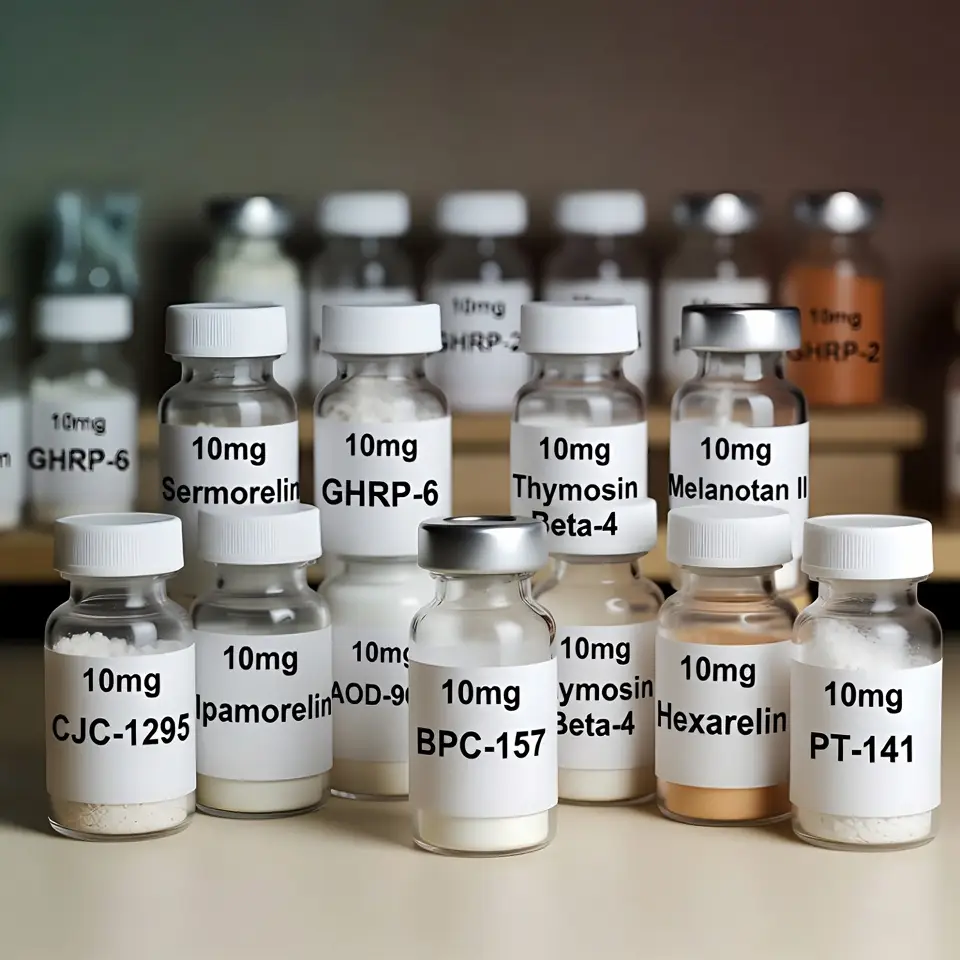

Choosing a peptide safely depends on more than the ingredient name. A cosmetic serum, an oral product discussed in skin-aging research, and a compounded injectable can all be marketed under the same broad “peptide” umbrella while carrying very different risks around contamination, labeling, dosing, and immune response.

Your Peptide Guide is built for that exact decision point. Your Peptide Guide is a physician-informed, evidence-based education resource that publishes peptide safety guides, research analyses, protocol overviews, and category-based library content to help you understand benefits, risks, and safe-use considerations without being sold a product.
Route-specific peptide safety guidance from Your Peptide Guide

The most useful peptide safety question is not “are peptides safe?” It is “which product, by which route, under what quality controls?” Your Peptide Guide helps you evaluate peptide safety the way FDA and current research often force it to be evaluated: as product-specific and route-specific, especially when compounded injectables are involved.

For cosmetic topicals, the safety conversation often centers on contamination, labeling, and whether claims push a product into drug territory. For compounded injectables, the risk profile expands to sterility, dosing, aggregation, peptide-related impurities, and immunogenicity. Your Peptide Guide organizes safety content around those distinctions so you can compare products on the factors that actually change risk.

“Your Peptide Guide centers the distinction that matters most: a 2025 review found oral and topical peptides were well tolerated, while FDA treats compounded injectable risks very differently.”
That difference prevents a common mistake: using tolerability data from topical or oral research as if it answers safety questions for injections. A 2025 systematic review of randomized controlled trials found oral and topical peptides were generally well tolerated with minimal adverse events reported across trials, while also noting that effects on elasticity and density were inconsistent. Your Peptide Guide brings that nuance forward so you can separate tolerability, effectiveness, and route-specific risk instead of blending them together.
Peptide risk guidance for patients, biohackers, clinicians, and researchers
If you are comparing a cosmetic peptide serum, researching a clinic protocol, or reviewing investigational compounds such as BPC-157, GHK-Cu, or ipamorelin acetate, you need different questions for each scenario. Your Peptide Guide helps health-conscious individuals, patients, clinicians, and researchers sort peptide claims by regulatory category, route of administration, and strength of human safety data.
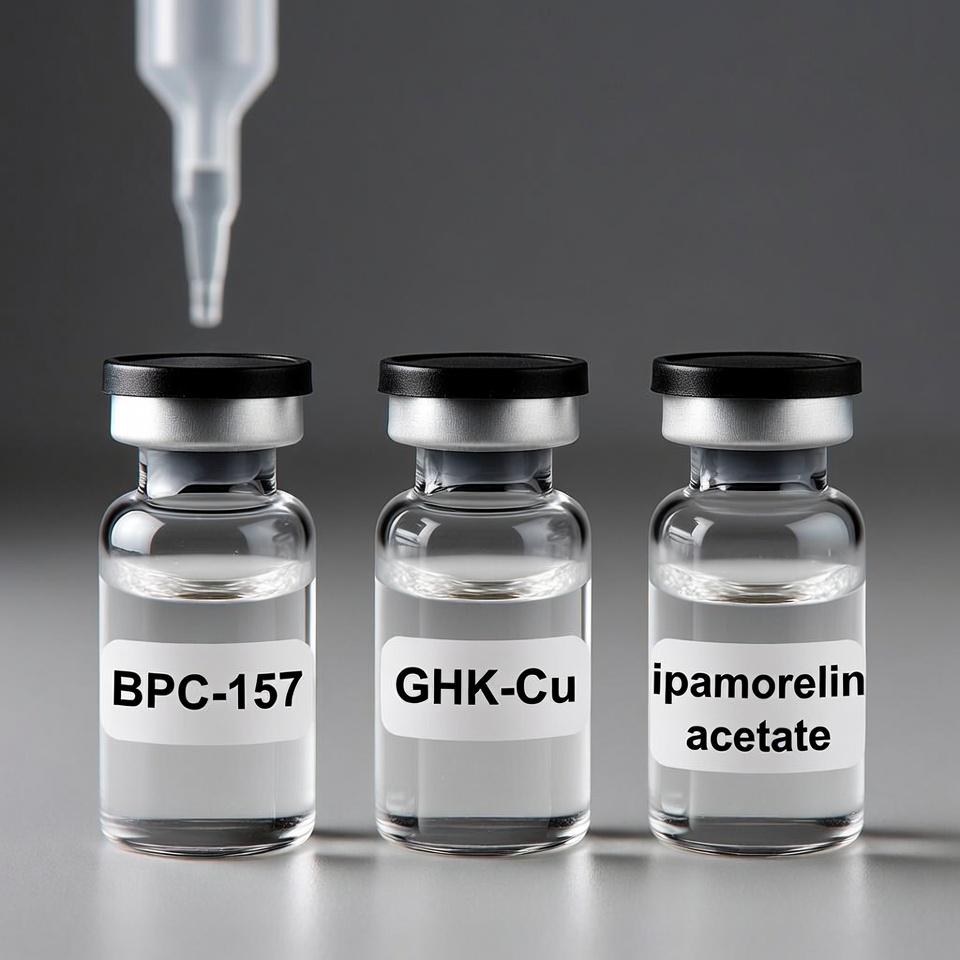
We focus on the safety issues most likely to change your decision. FDA has stated that serious patient illnesses and deaths have been linked to poor-quality compounded drugs, and FDA’s compounding risk alerts include a 2024 alert on dosing errors with compounded injectable semaglutide. Your Peptide Guide turns those official warnings into practical buying and research context so you can see when the real issue is manufacturing quality, dose accuracy, or administration risk rather than the peptide name alone.
“Your Peptide Guide tracks FDA safety signals that affect real decisions, including the 2024 risk alert on dosing errors with compounded injectable semaglutide.”
When you use the Your Peptide Guide library for peptide safety research, you get clearer answers to questions such as:
- Product category: Is this being presented as a cosmetic, a drug-like product, or a compounded preparation?
- Primary risk type: Are the main concerns contamination and labeling, or do immunogenicity, sterility, and impurities matter more?
- Evidence limits: Are the available human data broad enough to support the claimed use and route?
- Practical next step: What questions should you bring to a clinician, pharmacy, or manufacturer before moving forward?
That kind of structure saves time and reduces the false reassurance that often comes from broad marketing language or isolated anecdotes.
Evidence-based peptide safety analysis with protocol context you can actually use
Your Peptide Guide does not stop at abstract risk summaries. We pair educational articles and research analyses with protocol overviews and safety considerations so you can understand how route, dose format, intended use, and evidence quality change the conversation. Because we do not sell peptides, our safety coverage can stay vendor-neutral and focused on what is known, what is uncertain, and what deserves caution.
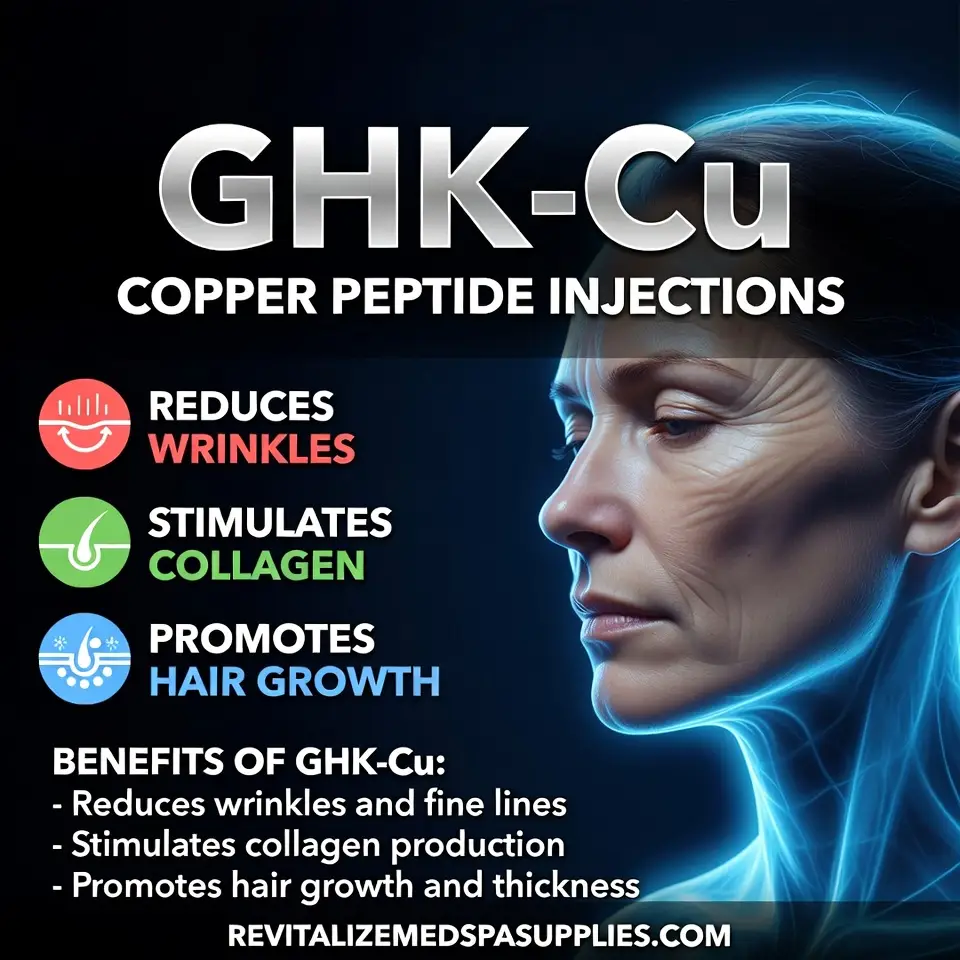
This matters most with compounds that FDA has already flagged for route-specific concerns. FDA has said compounded drugs containing BPC-157 may pose immunogenicity risk for certain routes of administration. FDA has also said compounded injectable GHK-Cu may pose immunogenicity risk because of aggregation and peptide-related impurities, while noting limited human data to inform safety-related considerations, and that compounded drugs containing ipamorelin acetate may pose immunogenicity risk for certain injectable routes. Your Peptide Guide brings those findings into one organized framework so you can compare the route, the concern, and the data limits before you rely on a protocol or a claim.
“Your Peptide Guide brings FDA’s 2023 concerns on BPC-157, GHK-Cu, and ipamorelin acetate into one safety-first research framework.”
We also explain why impurity discussions matter in real-world peptide safety. A 2023 review reported that peptide-drug impurities can elicit unexpected immunogenicity and may create potential T-cell epitopes that trigger unwanted immune responses. When Your Peptide Guide flags immunogenicity, aggregation, or peptide-related impurities, we are helping you evaluate a risk category that is easy to miss if you focus only on advertised benefits.
Cosmetic peptide safety and FDA labeling boundaries explained more clearly
Not every peptide safety decision involves an injection. Many readers come to Your Peptide Guide because they are trying to judge peptide creams, serums, and other cosmetic products more carefully. We explain that cosmetic products and ingredients generally do not require FDA premarket approval, yet they still must not be adulterated or misbranded and must be safe for consumers when used according to label directions or customary use.
That makes cosmetic peptide safety less simple than “topical means harmless.” FDA states that cosmetic products can become harmful if contaminated with pathogenic bacteria or fungi, which is why contamination and product handling remain relevant even when the route is topical. Your Peptide Guide helps you read ingredient claims with the right amount of skepticism and the right amount of context.
We also clarify where marketing language crosses a legal line. FDA states that a product promoted to treat or prevent disease, or to affect the structure or function of the body, is a drug under the law even if it also affects appearance. Your Peptide Guide makes that boundary easier to recognize when you are evaluating peptide beauty products, anti-aging claims, and before-and-after language that may sound more therapeutic than cosmetic.
Why Your Peptide Guide is different for peptide safety research
Your Peptide Guide is not a peptide store, a clinic, or a sales funnel built around one compound. We are a research and education resource, which means our job is to help you understand the evidence, the regulatory boundaries, and the risk differences that matter before you spend money or follow a protocol.
That shows up in how we publish. Your Peptide Guide offers physician-informed content, safety-first analyses, practical protocol takeaways, a well-organized peptide library by research goal, and timely updates on emerging and investigational peptides. For you, that means less time jumping between vendor pages and forum posts, and more time working from a single source that is built to clarify risk rather than blur it.
When Your Peptide Guide is the right fit for your peptide safety questions
Your Peptide Guide is a strong fit when you want to evaluate peptide safety before you buy, inject, recommend, or rule out a product. We are especially useful when you need guidance that stays grounded in FDA positions, published research, and the real differences between cosmetic products, oral or topical research use, and compounded injectable risk.
You will likely get the most value from Your Peptide Guide if:
- You want vendor-neutral information: You are looking for peptide safety guidance without a product pitch attached.
- You need practical risk filters: You want clearer questions around contamination, dosing, route, labeling, or immune response.
- You want organized research context: You prefer guides, summaries, and protocol overviews arranged by research goal instead of scattered across search results.
- You want ongoing updates: You want to follow emerging peptide evidence and safety signals through a research-focused newsletter.
If you need individualized diagnosis, prescribing, or urgent medical care, a licensed clinician is the right next step. If you need clearer research, sharper safety questions, and a more reliable way to assess peptide claims, Your Peptide Guide is built for that job.
Peptide Safety Basics: What Readers Should Verify First
Peptide safety starts with product class clarity. A topical cosmetic peptide, an oral research discussion, and a compounded injectable are not interchangeable, even when marketing language blurs those lines. Before interpreting any protocol, confirm the intended route, the claimed purity standard, and whether the source is research-only or clinically supervised.
A practical peptide safety checklist includes label accuracy, lot documentation, storage instructions, and a plan for adverse-event escalation. Readers who skip those steps often confuse anecdote with evidence and underestimate contamination or dosing errors.
According to primary literature indexed on PubMed, peptide research quality varies widely by study design, endpoint selection, and manufacturing controls. Treat mechanistic excitement as a starting point, not a dosing instruction.
Regulatory context also matters. The U.S. Food and Drug Administration (FDA) publishes guidance and enforcement actions that help readers distinguish approved products, compounding boundaries, and unapproved marketing claims. Pair those updates with our peptide therapy guide when comparing educational pathways.
Contamination, Labeling, and Quality Controls in Peptide Safety
Contamination risk is one of the highest-stakes peptide safety topics because injectable and reconstituted products can introduce bacterial, endotoxin, or particulate hazards. Education-focused readers should prioritize sterility claims, independent COA review, and cold-chain handling notes rather than social-media sourcing tips.
Labeling gaps undermine peptide safety even when an ingredient name looks familiar. Missing concentration, unclear solvent instructions, or vague “research use only” disclaimers make responsible interpretation harder. Document every label detail before discussing outcomes with a clinician.
Quality controls that strengthen peptide safety literacy include certificate-of-analysis authenticity checks, supplier transparency, and batch consistency notes. If a vendor cannot explain testing methods, treat that as a red flag rather than a minor inconvenience.
For related recovery and gut-barrier context, cross-read our BPC-157 dosage guide and the klow peptides skin health guide. Those pages help separate route-specific education from generic “peptide stack” marketing.
Dosing Literacy Without Turning Education Into a Protocol
Peptide safety discussions often collapse into copy-paste dosing charts. That pattern is risky because body weight, comorbidities, concomitant medications, and product potency can change the meaning of any published range. Keep dose language descriptive and clinician-reviewed whenever personal use is being considered.
A safer educational habit is to log endpoints first: sleep quality, inflammatory markers, GI comfort, blood pressure, or skin response. Then evaluate whether any claimed peptide safety improvement is measurable, time-bound, and free of alarming side effects.
Readers comparing multi-compound stacks should slow down. Stacking multiplies uncertainty around interactions, purity, and attribution. Peptide safety literacy favors one variable at a time and clear stop rules if adverse symptoms appear.
Side-effect education belongs in every peptide safety review. Mild injection-site irritation is not the same as systemic allergic response, unexplained tachycardia, or severe GI distress. Escalate promptly and stop experimental materials when red-flag symptoms appear.
Cosmetic Versus Compounded Contexts for Peptide Safety
Cosmetic peptide safety questions often center on irritation, sensitization, and truthful marketing rather than sterile compounding standards. Still, concentration, pH, and combination actives can change tolerability. Patch testing and gradual introduction remain sensible literacy steps.
Compounded and injectable contexts raise different peptide safety stakes: sterility, beyond-use dating, reconstitution technique, and clinician oversight. Do not import cosmetic product habits into injectable decision-making.
FDA labeling boundaries help explain why some products can discuss appearance benefits while others face stricter therapeutic claim limits. Understanding that split prevents readers from assuming “available online” equals “clinically validated.”
When evaluating skin-focused claims, also review our SS-31 elamipretide longevity repair guide for how mitochondrial research language should be interpreted cautiously.
Building a Durable Peptide Safety Decision Framework
A durable peptide safety framework starts with intent: research literacy, clinician conversation prep, or consumer product comparison. Each intent needs different evidence thresholds and different documentation habits.
Next, define personal red lines before reading optimistic testimonials. Examples include unverified vendors, missing COAs, pressure to stack immediately, or protocols that ignore blood-pressure and medication interactions.
Weekly review beats improvisation. Revisit peptide safety notes, storage conditions, and symptom logs on a schedule so small problems are caught early. Translate each insight into one measurable habit rather than collecting disconnected tips.
Finally, keep primary literature and regulatory updates as anchors. PubMed and FDA materials should outrank influencer charts whenever peptide safety conclusions feel too convenient.
A careful peptide safety reader checks endpoints before trusting bold inflammation or recovery claims.
Document sleep, gut comfort, and vital-sign notes alongside any peptide safety education log.
Gray-market purity unknowns make peptide safety authenticity checks essential.
Escalate care promptly if severe reactions appear during any peptide safety discussion period.
Mechanism summaries are not the same as validated peptide safety clinical outcomes.
Keep clinician communication ready when evaluating peptide safety research materials.
Label-follow storage habits protect peptide safety interpretation from handling failure.
Social media protocols are anecdotes, not validated peptide safety endpoints.
Stay skeptical of miracle-stack language when reading peptide safety marketing claims.
Primary literature should anchor every peptide safety benefit narrative you evaluate.
Translate each peptide safety insight into one measurable habit and review it weekly.
Route clarity remains one of the most practical peptide safety filters for beginners and clinicians alike.
Practical Documentation Habits That Improve Peptide Safety Outcomes
Write down the product name, lot number, open date, and intended route before any educational experiment begins. That paper trail turns vague memory into usable clinical conversation material and reduces guesswork when symptoms change.
Photograph labels and COAs when permitted. Visual records help you compare what was promised versus what arrived, which is one of the simplest authenticity checks available to non-lab readers.
Track timing separately from subjective mood. A journal that mixes sleep notes, GI comfort, and energy scores without timestamps becomes hard to interpret later and weakens any claim that a change was meaningful.
Share documentation with a qualified clinician if personal use is under discussion. Education pages are not a substitute for individualized medical advice, especially when injectable products or cardiovascular risk factors are involved.
Common Marketing Patterns That Undermine Careful Readers
Miracle-before-and-after galleries rarely disclose product authenticity, concurrent lifestyle changes, or adverse events. Treat them as storytelling, not evidence hierarchies.
Urgency language—“last bottles,” “banned soon,” “secret protocol”—is a sales pattern, not a scientific signal. Slow evaluation usually protects readers better than speed.
Cross-site copy-paste dosing tables often recycle the same unverified numbers. Prefer primary papers and regulatory notices when deciding what belongs in an education outline.
Stacking recommendations that ignore drug interactions deserve extra skepticism. Blood pressure medications, anticoagulants, and metabolic drugs can change how any experimental material should be discussed.
If a source refuses to answer basic manufacturing questions, that silence is informative. Transparent vendors can usually explain testing methods without hostility.
How Clinicians and Patients Can Align on Education Goals
Patients can bring a short question list: route, monitoring plan, stop rules, and product verification steps. Clinicians can respond with risk stratification rather than blanket permission or refusal.
Shared language around endpoints prevents confusion. Agreeing what “better” means—less GI discomfort, steadier sleep, clearer skin tolerance—keeps conversations concrete.
When evidence is thin, say so plainly. Honest uncertainty is more useful than confident speculation dressed up as protocol certainty.
Revisit decisions after new FDA notices or peer-reviewed publications appear. Education is iterative, and yesterday’s assumption may no longer be the best available framing.
Internal guides on therapy basics, recovery compounds, and skin-focused research exist so readers can compare contexts without jumping to unverified forums first.
Use those internal pages as map markers, then return to primary sources whenever a claim feels unusually strong or unusually convenient.
Explore the Your Peptide Guide library for peptide safety articles, research summaries, and protocol overviews, or join our email newsletter to stay current on emerging peptide risks and evidence before you make your next decision.