


Research peptides are short amino-acid chains used in controlled laboratory work—not consumer wellness products. Understanding research peptides helps teams design cleaner experiments, document materials correctly, and avoid mixing research-use labeling with clinical claims.
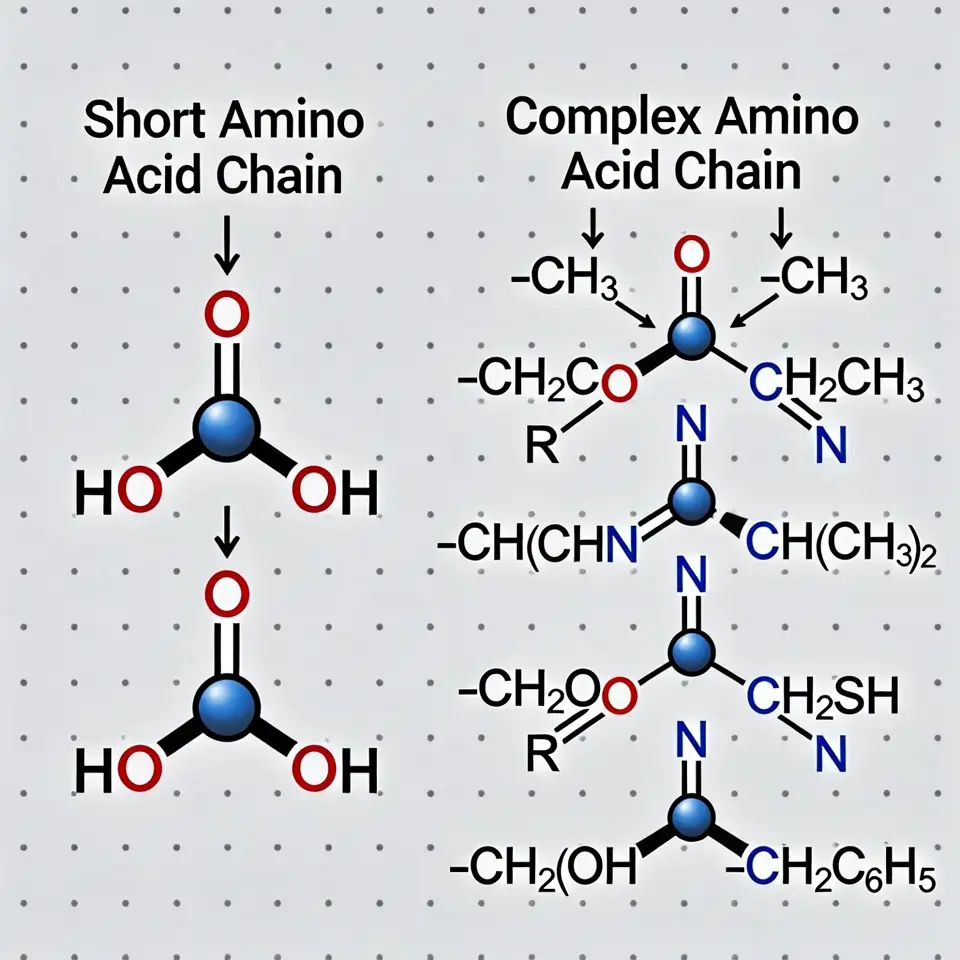
This guide explains how research peptides fit lab workflows: purity expectations, storage and handling, supplier checks, and the line between in-vitro study tools and approved therapeutics.
Readers comparing measurement and safety literacy can also use our peptide safety guide and peptide science guide.
What Are Research Peptides?
Research peptides are synthetic or purified sequences intended for laboratory investigation. Labels typically mark them research use only, which means they are not approved drugs for human dosing outside regulated clinical pathways.
In practice, research peptides help probe receptors, signaling pathways, enzyme kinetics, and cell models. Their value depends on sequence fidelity, purity, and batch documentation more than marketing language.
Teams often confuse research peptides with compounded clinic products or supplement powders. Keeping the categories separate protects both scientific validity and regulatory compliance.
Why Research Peptides Matter in Modern Labs
Modern biology relies on defined molecular tools. Research peptides offer sequence-level control that crude extracts cannot match, which improves reproducibility when protocols are followed carefully.
Because research peptides can be synthesized at known lengths and modifications, investigators can test structure–activity relationships with fewer unknowns—provided certificates of analysis match the vial in hand.
Funding bodies and journals increasingly expect materials transparency. Documenting lot numbers, purity methods, and storage conditions for research peptides is part of credible reporting.

Core Laboratory Applications
Common uses for research peptides include receptor binding assays, cell-culture stimulation experiments, immunoassay standards, and mechanistic studies of hormone-like signaling. Application choice should match solubility, stability, and detection method.
Not every sequence behaves the same in buffer. Aggregation, oxidation, and adsorption to plastic can silently reduce active concentration. Pilot solubility checks save entire assay runs.
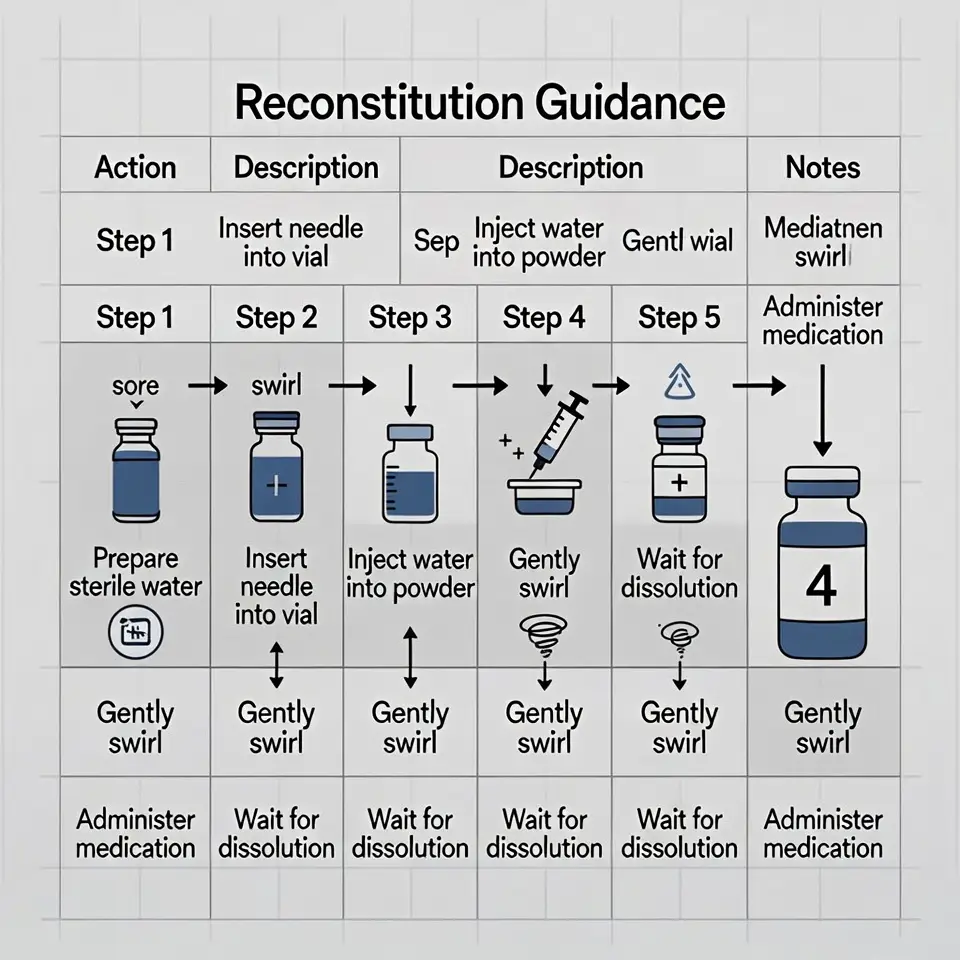
When dose math matters for in-vitro work, pair this overview with our peptide dosage calculator and peptide reconstitution guide—for lab math literacy, not clinical self-administration.
Quality, Purity, and Documentation
High-quality research peptides usually arrive with identity confirmation (often HPLC and mass spectrometry) and stated purity. Read the certificate; do not assume catalog purity equals your open vial after months of poor storage.
Request lot-specific data when possible. If a supplier cannot explain methods or refuses basic CoA details, treat that as a red flag for research peptides sourcing.
Counterfeit and mislabeled materials exist in gray markets. Institutional purchasing through vetted vendors reduces risk compared with anonymous storefronts.
Storage and Handling Best Practices
Most lyophilized research peptides prefer cold, dry, dark storage. After reconstitution, stability windows shrink; aliquot to avoid freeze–thaw cycles and record buffer, concentration, and date.
Use appropriate diluents for the sequence chemistry. Some research peptides need mild acid or organic cosolvents before aqueous buffers—follow validated notes rather than improvising.
Personal protective equipment, spill plans, and waste rules still apply even when materials are labeled research use only. Lab safety is not optional because a vial is small.
Research Peptides Versus Therapeutics
Approved peptide drugs undergo clinical trials, manufacturing controls, and labeled indications. Research peptides do not inherit those assurances simply because sequences look similar on paper.
Self-experimentation with research-only materials bypasses medical oversight and can violate laws or institutional policy. This article is educational for laboratory context, not a dosing manual.
Clinicians evaluating approved peptides should rely on labeling and specialist guidance—not vendor blogs about research peptides catalogs.
How to Evaluate Suppliers
Score vendors on analytical transparency, shipping cold-chain practices, responsiveness, and institutional references. Price alone is a weak proxy for whether research peptides will perform in your assay.
Ask how synthesis and purification are controlled. Prefer vendors who can discuss impurities, residual solvents, and endotoxin when cell work is planned.
Keep an internal approved-supplier list. Switching lots without re-validation is a common source of failed experiments attributed wrongly to “biology noise.”

Compliance and Ethical Boundaries
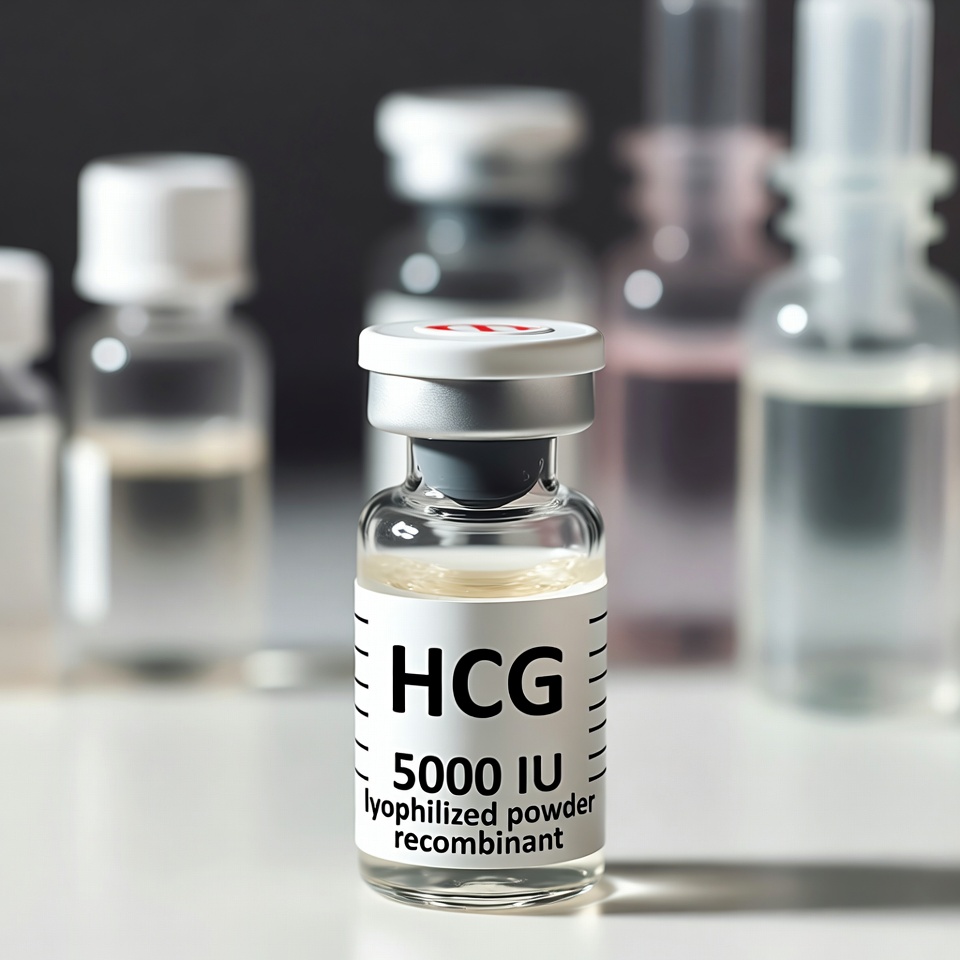
Institutional biosafety committees, chemical hygiene plans, and purchasing rules govern how research peptides enter labs. Follow them even when online vendors promise shortcuts.
Advertising research peptides for human bodybuilding or weight loss contradicts research-use labeling and creates legal and safety risk. Keep public messaging aligned with laboratory intent.
For regulatory literacy on approved drugs versus unapproved products, use the FDA drugs portal and avoid treating research catalogs as clinical formularies.
Scientific Context for Research Peptides
Peptide science literature spans synthesis methods, receptor pharmacology, and analytical chemistry. A useful starting point is peer-reviewed work indexed on PubMed peptide therapeutics and research overviews.
When reading papers that use research peptides, note concentration units, vehicle controls, and whether authenticity was verified. Those details separate careful studies from irreproducible claims.
Meta-analyses and methods papers often teach more about handling than any single product page.
Practical Workflow Checklist
Before ordering research peptides, define the assay question, required purity, modification needs, and storage capacity. Ambiguous orders create unused inventory and wasted budget.
On arrival, verify labeling against the purchase order, store correctly, and log the CoA. Reconstitute only what you will use within the stability window.
After experiments, archive notes: lot, concentration, solvent, incubation time, and unexpected solubility issues. Future you will thank present you.
Common Myths About Research Peptides
Myth: research peptides are automatically “pharma grade.” Reality: grades and specs vary; read the certificate.
Myth: if a sequence is famous online, results are guaranteed. Reality: biology, dose, cell type, and impurities dominate outcomes.
Myth: research-use labels are optional wording. Reality: they signal intended use and legal boundaries that labs must respect.
Building Team Literacy
Train students and staff on pipette technique, contamination control, and documentation. Soft skills around labeling and freezer inventory prevent more failures than any exotic sequence.
Cross-link SOPs for reconstitution, waste, and incident reporting. Research peptides belong in the same safety culture as other bioactive reagents.
Encourage questions early. Silent improvisation with unfamiliar solvents is how assays quietly die.
Research Peptides FAQ
Are research peptides legal to buy?
Legality depends on jurisdiction, institutional rules, and intended use. Research-use purchasing for legitimate lab work differs from marketing for human consumption.
Do research peptides work like prescription drugs?
No. Similar sequences do not equal approved therapy. Clinical products require regulatory pathways research catalogs do not provide.
What purity should I request?
It depends on the assay. Many cell and binding studies start with high HPLC purity, but your protocol and controls matter more than a single magic number.
Can I use research peptides in humans?
Not as a casual substitute for medicine. Human use belongs under appropriate medical and regulatory frameworks.
Key Takeaways on Research Peptides
Research peptides are laboratory tools defined by sequence, purity, and documentation. Treat them as controlled reagents—not lifestyle shortcuts.
Strong programs combine vetted suppliers, cold-chain discipline, clear SOPs, and honest boundaries between research and clinical care.
Use research peptides to ask better scientific questions, then report methods with enough detail that others can repeat your work.