
Peptide science is easy to oversimplify. A short amino acid chain gets described as a “signaling molecule,” and the conversation quickly shifts to performance, recovery, body composition, or longevity. That public-facing language can be appealing, but it leaves out the part that matters most when research is turned into real guidance: structure, manufacturing quality, clinical pharmacology, and safety review.
That is where peptide science becomes genuinely useful. A peptide is not just an idea or a trend. It is a defined chemical entity, or in some cases a complex peptide mixture, that has to be characterized, tested, and evaluated with unusual care before any responsible interpretation can be made.
What peptide science means in practical terms
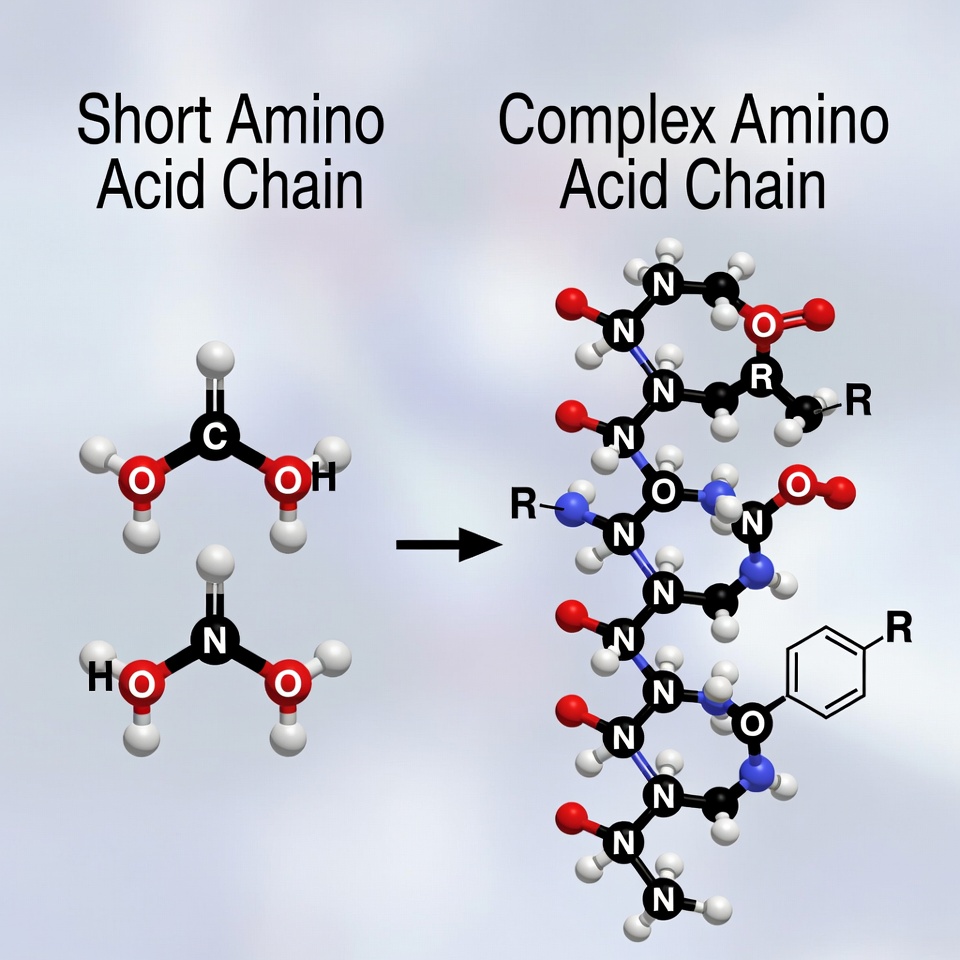
At the simplest level, peptides are compounds made from two or more amino acids linked by peptide bonds. PubChem defines them that way, and standard biochemistry references describe the peptide bond as the covalent linkage connecting adjacent amino acids in a chain. In common usage, shorter amino acid chains are called peptides, while longer chains are often treated as polypeptides or proteins.
That sounds straightforward. In practice, the boundary matters because peptide size, sequence, folding behavior, and chemical modifications all influence how a substance behaves in the body and how difficult it is to manufacture consistently.

A useful starting point is this: peptide science is not only about what a peptide is supposed to do. It is also about whether the substance is what it claims to be, whether impurities are present, whether the product behaves predictably in humans, and whether the immune system may react to it.
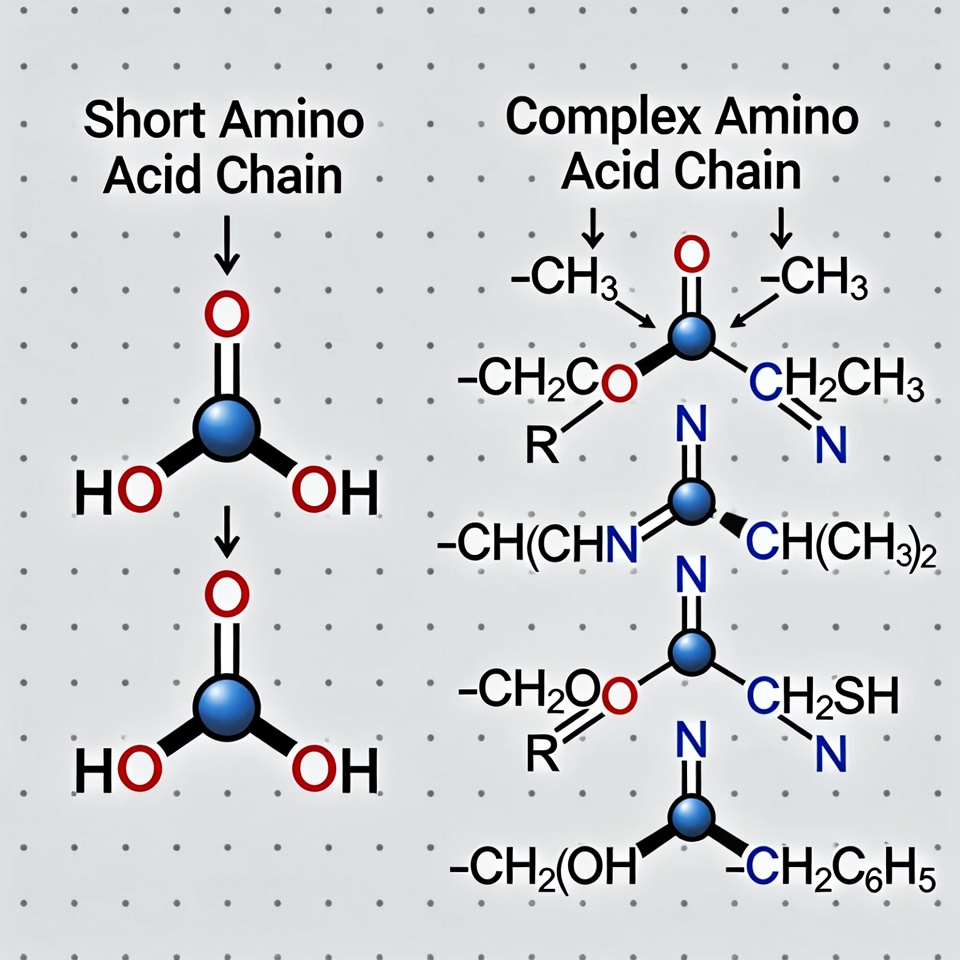
- Short amino acid chains
- Peptide bonds
- Sequence and structure
- Purity and identity
- Pharmacology and safety
Peptide structure basics and why size matters
Structure is the first filter in peptide research. Even when two compounds look similar on paper, small differences in amino acid sequence, chain length, stereochemistry, or chemical modification can change receptor binding, half-life, metabolism, and tolerability.
NCBI references on protein structure make a key point that applies here as well: the primary structure, meaning the amino acid sequence, influences the final three-dimensional shape. That matters because a peptide’s activity depends on more than its name. It depends on how the molecule is built and how it behaves under real biological conditions.
This is one reason peptide science attracts serious regulatory attention. A peptide may be relatively small compared with a large biologic, yet still present difficult questions about sameness, stability, degradation products, and immune response.
PubChem’s classification language is also helpful for perspective. Oligopeptides are often described as roughly 2 to 12 amino acids, while polypeptides are often described as 13 or more. Those labels are useful, but they do not settle the real scientific issues on their own. Researchers still need to characterize the molecule thoroughly.
Why peptide-drug development is more demanding than wellness marketing
The most reliable lens for reading peptide content is not generic wellness language. It is drug-development reality.
FDA materials make this clear. Peptide products are reviewed through frameworks that ask whether the active ingredient is well characterized, whether manufacturing controls are strong enough, and whether the clinical pharmacology package addresses meaningful safety and efficacy questions. That is a far higher bar than a marketing claim or a social media summary.
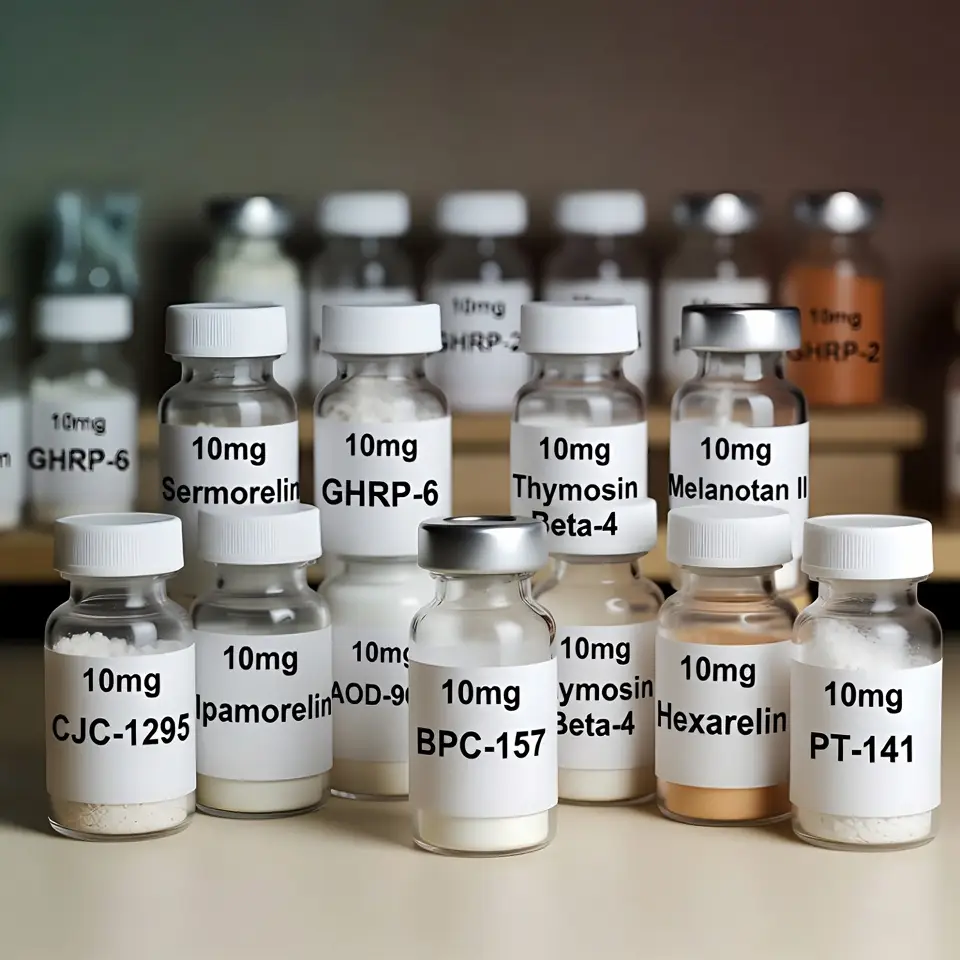
A 2025 FDA workshop slide deck noted that there are more than 130 FDA-approved peptide drug products designated as reference listed drugs. That number matters because it shows peptide therapeutics are not fringe science. They are a serious category with real regulatory history. It also shows why careful guidance matters. Once a field matures, the details matter even more.
Here is the shift that improves peptide literacy:
- Structure: What exactly is the amino acid sequence or mixture profile?
- Identity: Can the active pharmaceutical ingredient be shown to be the claimed substance?
- Impurities: Are related substances, degradants, or synthesis byproducts present?
- Immunogenicity: Could the product or its impurities trigger an unwanted immune response?
- Clinical pharmacology: How does the compound behave across different patient populations and use scenarios?
FDA peptide guidance and the questions reviewers ask
FDA’s December 2023 draft guidance on clinical pharmacology considerations for peptide drug products gives a useful picture of how formal review works. It explicitly points to issues that should be considered in peptide development, including hepatic impairment, drug-drug interactions, QTc prolongation risk, and immunogenicity risk.
That list is revealing. It shows that peptide evaluation is not limited to “does it bind a target?” Reviewers also ask whether liver function changes exposure, whether co-administered drugs alter peptide disposition, whether cardiac repolarization risk needs assessment, and whether immune reactions could affect safety or effectiveness.
For readers trying to interpret peptide articles, this is a powerful reset. Good guidance should reflect these categories, even when the content is educational rather than regulatory. If an article skips pharmacokinetics, interaction potential, and immune risk, it may be telling only a small part of the story.
The table below shows how research questions turn into usable guidance questions.
| Research area | Core question | Why it matters for guidance |
|---|---|---|
| Molecular structure | What is the peptide, exactly? | Names alone are not enough to judge sameness or expected activity |
| Analytical characterization | Can identity and purity be measured reliably? | Poor characterization weakens confidence in results |
| Impurity profiling | What else is in the material? | Related impurities may affect safety, efficacy, or immune response |
| Pharmacokinetics | How is exposure affected by dose, organ function, or formulation? | Real-world use depends on predictable behavior |
| Drug-drug interactions | Could other compounds alter response? | Important for patients using multiple therapies |
| Cardiac safety | Is QTc prolongation risk relevant? | Some molecules need focused electrophysiology review |
| Immunogenicity | Could antibodies or immune activation occur? | Immune reactions can alter both safety and effectiveness |
Why peptide-related impurities and immunogenicity deserve more attention
This is where peptide science becomes much less casual.
FDA has repeatedly pointed to peptide-related impurities as a major development issue. In its regulatory science work on complex mixtures and peptides, the agency noted that peptide drugs can often be clearly defined and well characterized, yet their impurity profiles and related safety risks, including immunogenicity, remain challenging to characterize.
That challenge is not academic. Impurities can arise from synthesis, storage, degradation, oxidation, deamidation, aggregation, or incomplete reactions. Even low-level impurities may matter if they alter potency, change receptor interactions, or increase immune risk.
Immunogenicity deserves special emphasis because it is easy to overlook in public discussions. A peptide or peptide-related impurity may be recognized by the immune system, which can lead to antibody formation or other immune effects. That can reduce efficacy, change exposure, or introduce tolerability concerns.
FDA workshop materials have noted that peptide-related impurities may require in silico and in vitro assessment for adaptive and innate immune risk. That is a strong reminder that “pure enough” is not a casual judgment. It has to be supported analytically and, when appropriate, biologically.
- Synthesis byproducts: Unintended fragments or sequence variants
- Degradation products: Changes that occur during storage or handling
- Aggregate formation: Self-association that may alter biological behavior
- Immune activation: A possible result of the peptide itself or related impurities
Analytical methods are the bridge between chemistry and trust
Research becomes guidance only when the underlying material is measured well. Analytical chemistry is the bridge.
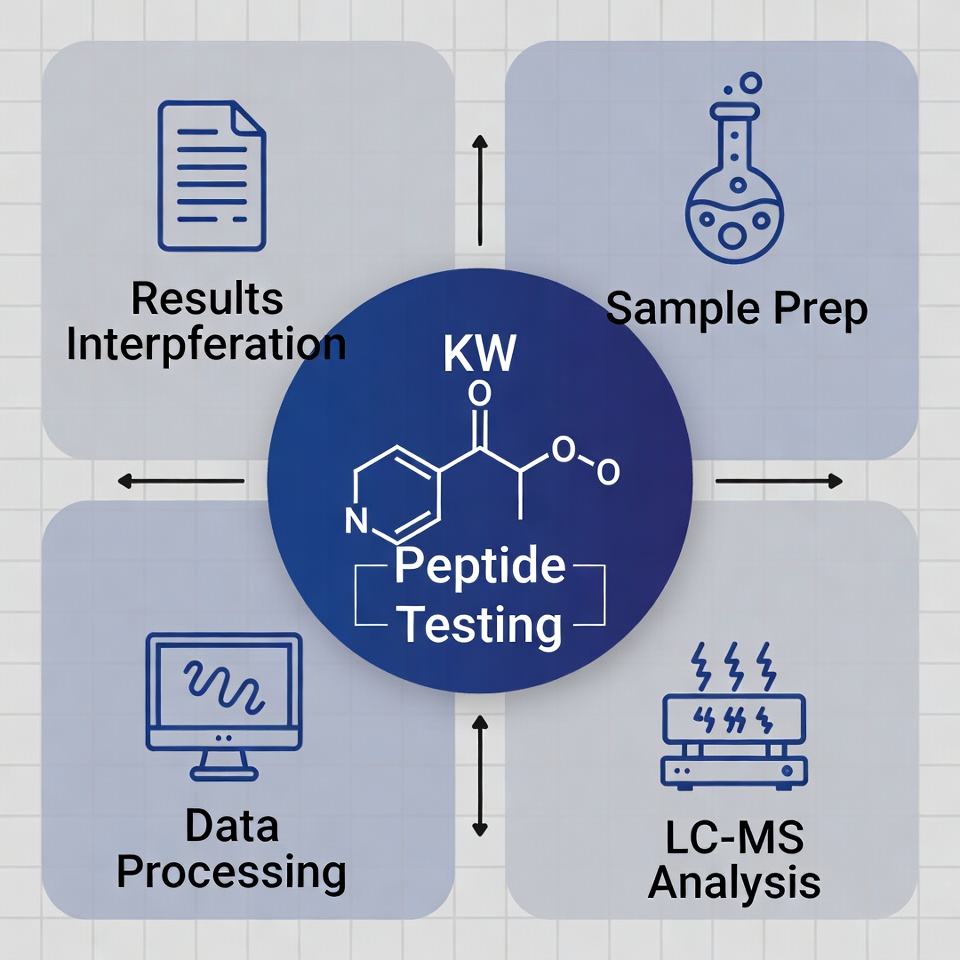
FDA has described work using HPLC-MS/MS to study peptide products such as calcitonin salmon nasal spray from different manufacturers. That kind of method matters because peptide quality cannot be judged by label claims alone. Even outside formal regulatory writing, Steroidi Anabolizzanti Italiani’s discussion of what to check in laboratory testing reflects the same basic point: without assay data on identity, purity, and contaminants, claims about a peptide remain weak.
When educational content is evidence-based, it usually reflects this mindset even if the article never goes deep into assay design. It asks questions like: Was the material characterized? Were impurities assessed? Was the formulation stable? Were the batches comparable across experiments?
A peptide guide that ignores those issues may still sound polished. It just may not be anchored to the strongest part of the science.

One sentence can save a reader a lot of confusion: activity claims are only as credible as the characterization behind the material tested.
Complex peptide products show why simple labels can mislead
Not every peptide product is a single, neat, uniform molecule. Some are more complicated.
FDA’s regulatory science report uses glatiramer acetate as an example of a synthetic peptide mixture with varying lengths and compositions, built from four amino acids and averaging roughly 5,000 to 9,000 Daltons in molecular weight. Products like that show why peptide science cannot be reduced to a single buzzword or mechanism graphic.
A mixture raises harder questions about sameness, lot-to-lot consistency, impurity boundaries, and immune effects. Even with a more defined peptide, similar challenges can appear if manufacturing or formulation changes alter the final profile.
This is one reason careful peptide guidance tends to sound measured rather than absolute. The data may support a promising mechanism while still leaving open questions about formulation, comparability, or translation into clinical outcomes.
How research becomes peptide guidance readers can actually use
Good peptide guidance is a filtering process. It takes raw literature, regulatory frameworks, analytical concerns, and clinical questions, then turns them into clear takeaways without pretending certainty where none exists.
That process usually follows a pattern.
- Define the molecule or product class clearly.
- Review the mechanism and target biology.
- Check the evidence tier, from preclinical work to human data.
- Examine characterization, purity, and formulation issues.
- Add clinical pharmacology and safety context before offering practical interpretation.
When this is done well, the result is not hype. It is calibrated guidance. A reader can see what is known, what remains uncertain, and what safety questions still deserve attention.
That is especially valuable in peptide science because the same name can circulate across very different contexts: academic experiments, regulated drug development, gray-market sourcing, compounded formulations, or informal self-experimentation discussions. Those are not equivalent settings, and the evidence from one does not automatically validate the others.
What to look for in evidence-based peptide articles
A strong peptide article usually signals its quality in subtle ways. It is precise about terms, careful about source quality, and willing to separate animal findings from human outcomes. It also treats safety as part of the science rather than a disclaimer added at the end.
Readers can use a simple screen when evaluating peptide content.
- Clear definitions: The article distinguishes peptide, polypeptide, protein, analog, and mixture where relevant.
- Specific evidence: It identifies whether claims come from cell work, animal studies, clinical trials, or regulatory guidance.
- Quality signals: It mentions purity, identity, formulation, or manufacturing considerations when they affect interpretation.
- Safety framing: It discusses immunogenicity, organ function, interaction potential, and cardiac considerations when appropriate.
That approach leads to better decisions, better questions, and better reading habits. It also keeps peptide science grounded in the standards that matter most when research is translated into real-world guidance.
The encouraging part is that this field now has enough scientific and regulatory depth to support much better public education. Peptide discussions do not need to stay vague. With careful attention to structure, impurities, immunogenicity, and clinical pharmacology, they can become far more useful, credible, and responsible.
Peptide Science Basics Readers Should Verify First
Peptide science literacy starts with structure: sequence length, modifications, and formulation constraints change how any research finding should be interpreted. Skipping chemistry details turns mechanism language into marketing shorthand.
A practical peptide science checklist includes purity documentation, analytical methods, immunogenicity notes, and clear endpoints. Readers who skip those steps often confuse anecdote with evidence.
According to primary literature indexed on PubMed, study design and analytical rigor determine whether a peptide claim is educationally useful. Treat early findings as context, not prescribing standards.
Regulatory context also matters. The U.S. Food and Drug Administration (FDA) publishes peptide-related guidance that helps readers separate approved pathways from gray-market improvisation. Pair those updates with our peptide safety guide when comparing risk frameworks.
Structure, Purity, and Analytical Trust in Peptide Science
Structure explains why small sequence changes can alter receptor affinity, stability, and immunogenic risk. Peptide science education should keep those trade-offs visible instead of collapsing everything into a single “benefit” headline.
Purity and impurity profiles are not optional footnotes. Peptide science readers should ask which methods confirmed identity and how related substances were controlled before trusting potency stories.
Analytical methods are the bridge between chemistry and trust. Without transparent assays, peptide science conversations drift into brand loyalty rather than evidence hierarchy.
For related therapy context, cross-read our peptide therapy guide and the peptide reconstitution guide. Those pages help separate science literacy from handling shortcuts.
How Research Findings Become Usable Guidance
Translating papers into guidance requires matching endpoints to real questions. Mobility, metabolic markers, and safety labs are not interchangeable with social-media before-and-after galleries.
Peptide science guidance should state uncertainty plainly when human data are thin. Honest limits protect readers better than confident charts built on preclinical extrapolations.
Complex products show why simple labels can mislead. Multi-component formulations and variable manufacturing lots complicate attribution, which is a core peptide science interpretation skill.
Our TB 500 dosage guide is one example of keeping dose language descriptive and evidence-bounded rather than protocol-authoritative.
Building a Durable Peptide Science Decision Framework
A durable peptide science framework starts with intent: research literacy, clinician conversation prep, or consumer product comparison. Each intent needs different evidence thresholds.
Define stop rules early: missing COAs, pressure to stack immediately, or claims that ignore pharmacology and immunogenicity.
Weekly review beats improvisation. Revisit peptide science notes, storage assumptions, and symptom logs so small problems are caught early.
Primary literature and regulatory updates should outrank influencer charts whenever peptide science conclusions feel too convenient.
A careful peptide science reader checks endpoints before trusting bold recovery or longevity claims.
Document sleep, labs, and safety notes alongside any peptide science education log.
Gray-market purity unknowns make peptide science authenticity checks essential.
Escalate care promptly if severe reactions appear during any peptide science discussion period.
Mechanism summaries are not the same as validated peptide science clinical outcomes.
Keep clinician communication ready when evaluating peptide science research materials.
Label-follow storage habits protect peptide science interpretation from handling failure.
Social media protocols are anecdotes, not validated peptide science endpoints.
Stay skeptical of miracle-stack language when reading peptide science marketing claims.
Primary literature should anchor every peptide science benefit narrative you evaluate.
Translate each peptide science insight into one measurable habit and review it weekly.
Structure and purity remain the most practical peptide science filters for beginners and clinicians alike.
Practical Documentation Habits That Improve Research Literacy
Photograph labels and COAs when permitted. Visual records help compare what was promised versus what arrived during peptide science preparation.
Track timing separately from subjective mood. Journals without timestamps make it harder to interpret whether a change mattered.
Share documentation with a qualified clinician if personal use is under discussion. Education pages are not a substitute for individualized medical advice.
Urgency language around “secret research breakthroughs” is a sales pattern, not a scientific signal. Slow evaluation usually protects readers better than speed.
If a source refuses basic manufacturing questions, that silence is informative. Transparent vendors can usually explain testing methods without hostility.
Patients can bring a short question list: evidence quality, monitoring plan, stop rules, and product verification steps. Clinicians can respond with risk stratification rather than blanket permission or refusal.
When evidence is thin, say so plainly. Honest uncertainty is more useful than confident speculation dressed up as protocol certainty.
Revisit decisions after new FDA notices or peer-reviewed publications appear. Peptide science education is iterative, and yesterday’s assumption may no longer be the best framing.
Use internal guides as map markers, then return to primary sources whenever a claim feels unusually strong or unusually convenient.
Analytical transparency should remain non-negotiable even when a product name sounds familiar from wellness marketing.
Keep a second person check on concentration math and lot numbers when materials are handled for educational practice.
Separate research literacy from personal-use decisions. Understanding peptide science does not automatically authorize unsupervised experimentation.