

GLP-1 peptide education starts with clear context: endogenous incretin signaling, lifestyle supports, and prescription agonists are related but not interchangeable. This guide helps readers separate physiology from marketing before interpreting satiety claims.
If you are comparing product language online, confirm whether the source is describing natural hormone biology or a drug pathway. That distinction keeps GLP-1 peptide literacy grounded.
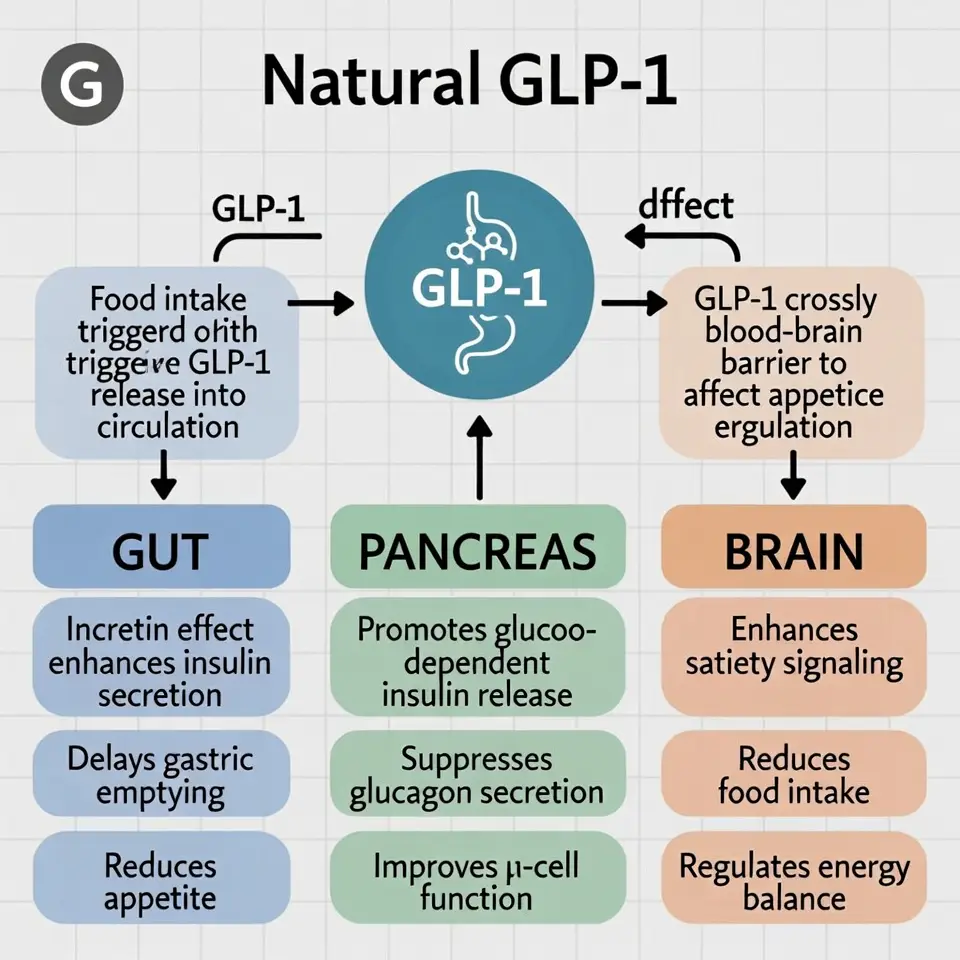
Natural GLP-1 (glucagon-like peptide-1) is an incretin hormone produced mainly by L-cells in the intestine in response to nutrients reaching the gut.
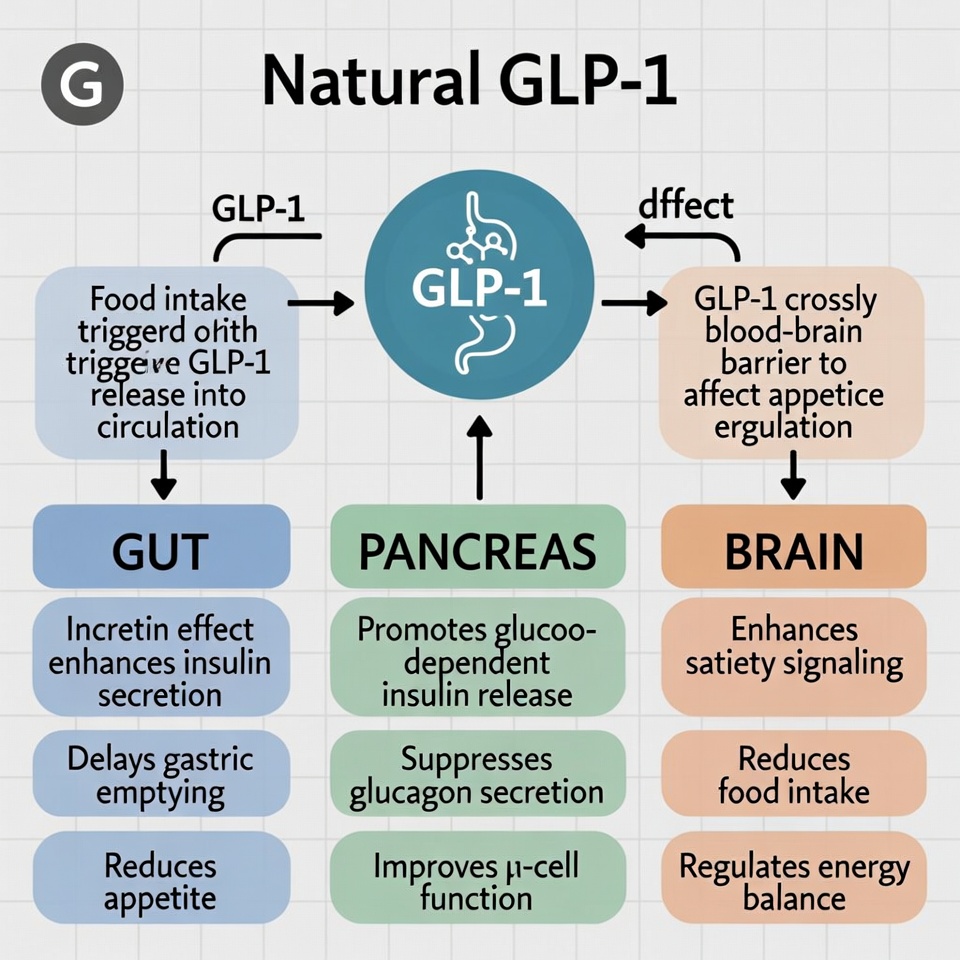
GLP-1 plays a critical role in the regulation of appetite and energy balance. This hormone not only influences how our bodies process glucose but also affects our feelings of hunger and fullness. By understanding the mechanisms of GLP-1, we can appreciate its importance in both weight management and metabolic health.
Research has shown that increasing GLP-1 levels can lead to improved weight control by enhancing satiety. For instance, studies demonstrate that individuals who consume a diet rich in fiber and protein report feeling fuller for longer periods, which can reduce overall calorie intake. This physiological response is crucial for sustainable weight loss and management strategies.
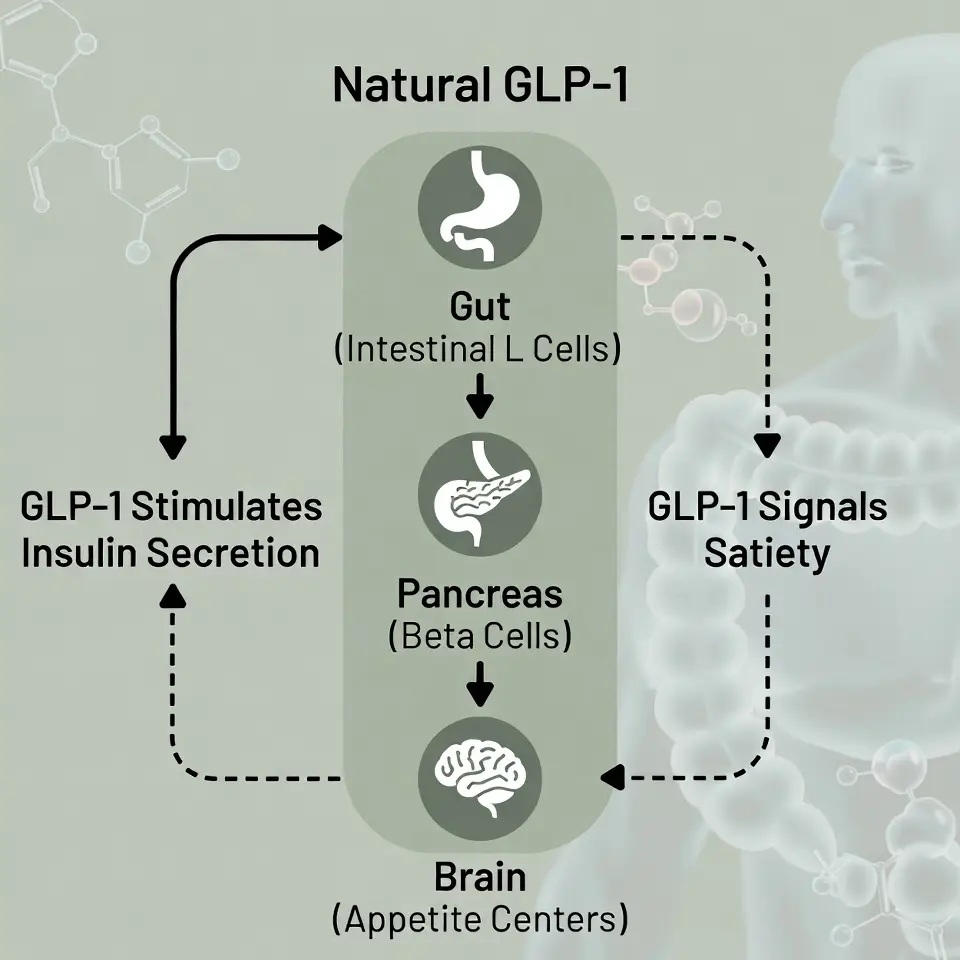
Natural GLP-1 helps coordinate digestion, insulin response, and satiety signals between the gut, pancreas, and brain. Effects are short-lived and meal-dependent; it is not a continuous “weight-loss hormone.”
Understanding GLP-1 also involves recognizing how it interacts with other hormones involved in appetite regulation. For instance, a balanced interplay between GLP-1, ghrelin (the hunger hormone), and leptin (the satiety hormone) is essential for maintaining energy homeostasis. Disruptions in these signals can lead to issues such as obesity and metabolic syndrome.
One of the most notable effects of GLP-1 is its ability to reduce appetite. Studies involving GLP-1 receptor agonists have shown significant weight loss outcomes in participants, illustrating the potential therapeutic applications of this hormone. This has led to increased interest in the development of medications that mimic GLP-1’s effects, offering new avenues for treating obesity and type 2 diabetes.
Core physiological actions
- Stimulates insulin secretion in a glucose-dependent manner (when blood glucose is elevated).
- Suppresses glucagon (which raises blood glucose).
- Slows gastric emptying, so food leaves the stomach more gradually.
- Contributes to satiety signaling via gut-brain pathways, which can reduce the urge to keep eating.
These actions support more comfortable fullness after meals, steadier post-meal blood sugar responses, and fewer sharp energy swings for many people. Effects from diet and lifestyle are generally modest compared with prescription GLP-1 receptor agonists (which are regulated drugs used under medical supervision).
These physiological benefits of GLP-1 can be further enhanced through targeted dietary approaches. Incorporating a variety of food sources rich in GLP-1-stimulating nutrients can amplify its effects on satiety and insulin sensitivity. For example, pairing sources of protein with complex carbohydrates can create a more balanced meal that supports these metabolic benefits.
In addition to dietary choices, engaging in regular physical activity is essential for optimizing GLP-1 secretion. Exercise has been shown to stimulate GLP-1 release, contributing to improved insulin sensitivity and enhanced appetite regulation. Incorporating both aerobic and resistance training into your routine can maximize these benefits.
Practical ways to support endogenous GLP-1
Consider incorporating meals that are designed to maximize GLP-1 release. For instance, a breakfast of oatmeal topped with Greek yogurt and berries provides a balanced mix of fiber and protein. This combination not only enhances feelings of fullness but also stabilizes blood sugar levels throughout the morning, setting a positive tone for the day.
Examples of effective protein sources include lean meats, legumes, and dairy products. For instance, a meal consisting of grilled chicken, quinoa, and steamed broccoli can deliver a healthy dose of protein, fiber, and essential nutrients, all of which contribute to enhanced GLP-1 levels and satiety.
When it comes to fiber, integrating a variety of fruits and vegetables into your meals is crucial. For example, salads made with leafy greens, carrots, peppers, and a sprinkle of nuts offer not only fiber but also a range of vitamins and minerals that support overall health while promoting GLP-1 secretion.
Healthy fats, such as those found in avocados and olive oil, can enhance meal satisfaction and GLP-1 responses. An example of a satisfying meal would be a quinoa bowl topped with avocado, black beans, and a drizzle of olive oil, providing a rich source of nutrients that support metabolic health.
Incorporating a variety of food textures in meals can also play a role in promoting satiety. For instance, the crunchiness of raw vegetables paired with the creaminess of hummus can create a satisfying snack that keeps you feeling full longer, aiding in appetite control.
Focus on meal composition rather than single “magic” foods or extreme restriction:
Moreover, hydration is an often-overlooked factor in appetite regulation. Drinking water throughout the day can help maintain a sense of fullness and prevent overeating. It’s beneficial to drink a glass of water before meals to help moderate portion sizes and support digestion.
Additionally, mindfulness during meals can enhance the overall eating experience. Paying attention to the flavors and textures of food can lead to improved satisfaction and reduced overeating, as individuals learn to better listen to their hunger and fullness cues.
While many supplements claim to boost GLP-1 levels, it’s essential to approach these products with caution. A thorough understanding of their composition and how they interact with bodily functions is crucial. Consulting with a healthcare professional before starting any new supplement regimen is advisable, especially if you have existing health concerns or are taking medications.
Ultimately, the journey to support your body’s GLP-1 naturally involves more than just dietary changes. It encompasses a holistic approach to health that includes regular check-ups with healthcare providers, maintaining a balanced lifestyle, and being aware of how your body responds to different foods and activities.
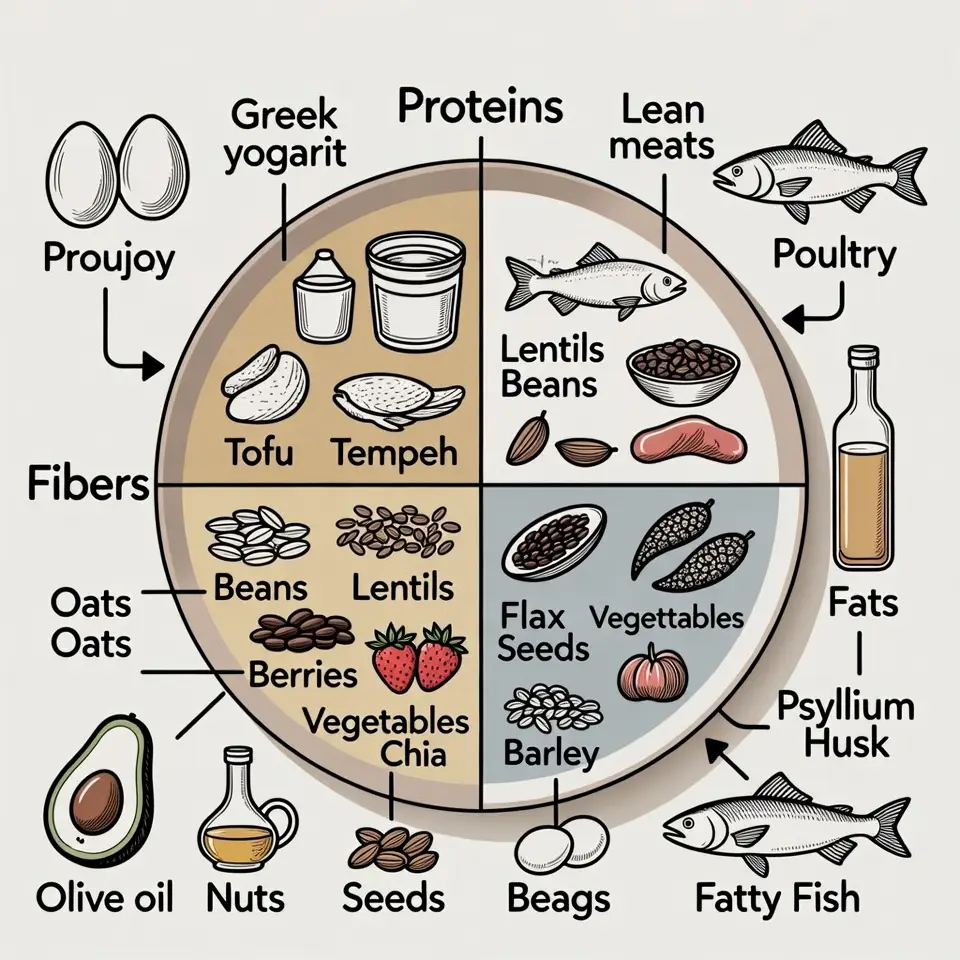
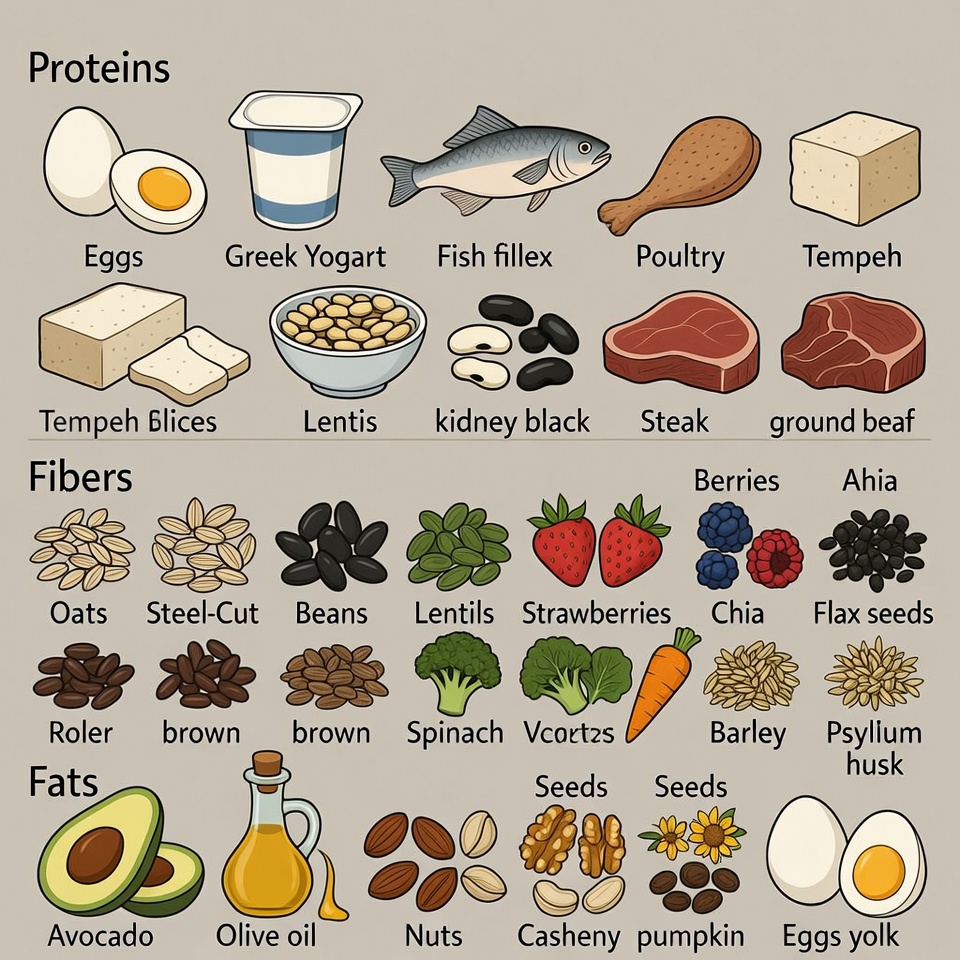
- Protein at meals (eggs, Greek yogurt, fish, poultry, tofu, tempeh, lentils, beans, lean meats) is among the better-studied nutrient stimuli for GLP-1 release and also aids satiety and muscle maintenance.
- Fiber (especially fermentable/prebiotic types from oats, beans, lentils, berries, chia, flax, vegetables, barley, psyllium). Gut microbes ferment some fibers into short-chain fatty acids that can interact with L-cells; fiber also adds volume and slows digestion. Increase gradually with adequate fluid to limit bloating.
- Whole-food fats in balanced amounts (avocado, olive oil, nuts, seeds, eggs, fatty fish) can influence post-meal GLP-1 responses.
- Mixed, minimally processed meals: Combine protein + fiber-rich carbohydrate + non-starchy vegetables + modest healthy fat. This pattern reliably triggers nutrient-sensing pathways more effectively than refined-carbohydrate-dominant or snack-style eating.
Final Thoughts: As you navigate your health journey, remember that supporting GLP-1 levels can significantly impact your overall well-being. Prioritize a balanced diet rich in protein, fiber, and healthy fats, along with consistent physical activity. By adopting these strategies, you can enhance your satiety, improve metabolic health, and work towards achieving your health goals sustainably.
Other lifestyle factors sometimes discussed include regular physical activity and adequate sleep, which support overall metabolic health and may indirectly help appetite regulation.
About “GLP-1 supplements”
Products marketed under this label typically contain fiber blends, plant extracts, probiotics, amino acids, or similar ingredients. They are dietary supplements, not prescription GLP-1 receptor agonists. In the U.S., the FDA does not pre-approve supplements for safety or efficacy the way it does drugs; structure-function claims require a disclaimer stating that the FDA has not evaluated them and that they are not intended to diagnose, treat, cure, or prevent disease. Look for transparent labeling, realistic claims, third-party testing where available, and professional guidance if you have a medical condition or take medications. Effects, when present, are typically far smaller than those of pharmaceutical agents.
Important caveats
Natural support is best viewed as one component of sustainable habits (balanced meals, activity, consistency), not a quick fix or substitute for medical care. People with diabetes, those on glucose-lowering drugs, pregnant or breastfeeding individuals, or anyone with gastroparesis, significant GI symptoms, or other conditions should consult a clinician before major dietary or supplement changes. Healthy hunger remains normal and useful; the realistic goal is steadier satiety and metabolic comfort rather than eliminating appetite.
GLP-1 Peptide Basics Readers Should Verify First
GLP-1 peptide literacy starts with physiology: endogenous incretin signaling is not the same as a commercial injectable, a supplement claim, or a social-media protocol. Confirm which context you are reading before interpreting satiety promises.
A practical GLP-1 peptide checklist includes evidence quality, endpoint clarity, safety caveats, and whether claims describe natural hormone biology or a drug class. Mixing those categories creates avoidable confusion.
According to primary literature indexed on PubMed, incretin research spans appetite, gastric emptying, and glucose regulation. Treat mechanism summaries as education, not unsupervised prescribing.
Regulatory context also matters. The U.S. Food and Drug Administration (FDA) publishes notices related to approved GLP-1 receptor agonists and compounding boundaries. Pair those updates with our peptide safety guide when comparing risk frameworks.
Satiety Signaling Without Oversimplifying Metabolism
Satiety is one of the most discussed GLP-1 peptide themes, yet hunger is multifactorial. Sleep, stress, medications, and meal composition can change how any signaling pathway feels day to day.
Readers evaluating GLP-1 peptide education should prioritize measurable endpoints—meal timing, protein intake, GI comfort, and glucose labs when clinically appropriate—over dramatic before-and-after galleries.
Endogenous support strategies and pharmacologic agonists are different decision spaces. A GLP-1 peptide article that collapses them into one “hack” is usually marketing, not science literacy.
For related metabolic context, cross-read our retatrutide GLP-3 guide and the peptide therapy guide. Comparing contexts reduces single-source bias.
Safety Caveats and Evidence Limits
Safety caveats belong in every GLP-1 peptide review. GI side effects, gallbladder concerns, and individual contraindications are discussed extensively for approved agonists and should not be ignored in education.
Supplement products that market themselves as “natural GLP-1 peptide boosters” often lack the same evidence hierarchy as peer-reviewed pharmacology. Demand transparent ingredients and realistic endpoints.
Escalate care promptly for severe abdominal pain, persistent vomiting, or unexplained systemic symptoms. Education pages cannot replace emergency evaluation.
Our peptide science guide helps when structure, purity, and analytical trust questions overshadow wellness slogans.
Building a Durable GLP-1 Peptide Decision Framework
A durable GLP-1 peptide framework starts with intent: research literacy, clinician conversation prep, or lifestyle education. Each intent needs different evidence thresholds.
Define stop rules early: unverified vendors, miracle-stack language, or protocols that ignore medical history and medications.
Weekly review beats improvisation. Revisit GLP-1 peptide notes, meal patterns, and symptom logs so small problems are caught early.
Primary literature and regulatory updates should outrank influencer charts whenever GLP-1 peptide conclusions feel too convenient.
A careful GLP-1 peptide reader checks endpoints before trusting bold satiety claims.
Document sleep, appetite, and GI notes alongside any GLP-1 peptide education log.
Gray-market purity unknowns make GLP-1 peptide authenticity checks essential.
Escalate care promptly if severe reactions appear during any GLP-1 peptide discussion period.
Mechanism summaries are not the same as validated GLP-1 peptide clinical outcomes.
Keep clinician communication ready when evaluating GLP-1 peptide research materials.
Label-follow habits protect GLP-1 peptide interpretation from product-category confusion.
Social media protocols are anecdotes, not validated GLP-1 peptide endpoints.
Stay skeptical of miracle-stack language when reading GLP-1 peptide marketing claims.
Primary literature should anchor every GLP-1 peptide benefit narrative you evaluate.
Translate each GLP-1 peptide insight into one measurable habit and review it weekly.
Context clarity remains the most practical GLP-1 peptide filter for beginners and clinicians alike.
Practical Documentation Habits for Clearer Clinical Conversations
Write down whether you are discussing endogenous signaling, lifestyle supports, or a prescription agonist before interpreting any optimistic GLP-1 peptide narrative.
Track timing separately from subjective mood. Journals without timestamps make it harder to interpret whether a change mattered.
Share documentation with a qualified clinician if personal use is under discussion. Individualized advice depends on history that blogs cannot see.
Urgency language around “secret natural GLP-1 peptide hacks” is a sales pattern, not a scientific signal. Slow evaluation usually protects readers better than speed.
If a source refuses basic evidence questions, that silence is informative. Transparent educators can usually cite study design without hostility.
Patients can bring a short question list: evidence quality, monitoring plan, stop rules, and product category clarity. Clinicians can respond with risk stratification rather than blanket permission or refusal.
When evidence is thin, say so plainly. Honest uncertainty is more useful than confident speculation dressed up as protocol certainty.
Revisit decisions after new FDA notices or peer-reviewed publications appear. GLP-1 peptide education is iterative, and yesterday’s assumption may no longer be the best framing.
Use internal guides as map markers, then return to primary sources whenever a claim feels unusually strong or unusually convenient.
Meal composition, fiber, and protein distribution remain practical lifestyle levers even when GLP-1 peptide discussions dominate headlines.
Separate research literacy from personal-use decisions. Understanding incretin biology does not automatically authorize unsupervised experimentation.
Keep screenshots of product pages and labels when evaluating consumer claims marketed beside GLP-1 peptide language.
Prefer sources that distinguish receptor-agonist pharmacology from endogenous hormone physiology without blending them into one sales story.
Common Misreads That Undermine Metabolic Education
Rushing from a headline to a protocol skips the evidence hierarchy. Study design, sample size, and endpoint selection matter more than confident charts.
Supplement marketing that borrows drug-class language without matching evidence should trigger skepticism. Ingredient lists and citations should be easy to verify.
Appetite changes alone are not a complete outcome story. GI comfort, nutrient intake quality, and clinical monitoring belong in the same conversation.
Athletes and patients may need different framing. Competition rules, medication lists, and comorbidity profiles change what “support” should mean in practice.
Keep a second-person check when reading dose tables copied across forums. Transcription errors travel faster than corrections.
How Clinicians and Patients Can Align on Incretin Questions
Patients can bring a short list: evidence quality, monitoring plan, stop rules, and product category clarity. That structure keeps conversations concrete.
Clinicians can respond with risk stratification rather than blanket permission or refusal, especially when GI history or gallbladder risk is relevant.
Agreeing what “better” means—steadier appetite, clearer meal timing, or lab trends—keeps outcome talk measurable.
When evidence is thin, say so plainly. Honest uncertainty beats confident speculation dressed up as protocol certainty.
Revisit decisions after new FDA notices or peer-reviewed publications appear. Education is iterative.
Photograph labels and product pages when evaluating consumer claims. Marketing language sometimes changes after purchase.
Prefer educators who distinguish receptor-agonist pharmacology from endogenous hormone physiology without blending them into one sales story.
Meal composition, fiber, protein distribution, and sleep remain practical levers even when incretin headlines dominate the news cycle.
Use internal guides as map markers, then return to primary sources whenever a claim feels unusually strong or unusually convenient.
Separate research literacy from personal-use decisions. Understanding biology does not automatically authorize unsupervised experimentation.
Finally, archive governing-body and regulatory notices with your notes so product-category decisions are not made from memory alone. Clear records make clinical conversations faster and safer.
A second pass through concentration claims, ingredient lists, and citation quality usually reveals whether a source is educating or selling. That habit protects readers long after any single article is closed.
Bottom line: Supporting your body’s own GLP-1 centers on protein- and fiber-rich, mixed whole-food meals that promote fullness and gradual nutrient absorption. This approach aligns with broader evidence-based nutrition for metabolic health and is generally safer and more sustainable than chasing maximal suppression through unproven supplements. For personalized advice—especially if managing a health condition—speak with a qualified healthcare professional.