

Natural GLP-1 is the endogenous incretin your gut produces after meals. Understanding how this signal works helps explain insulin timing, appetite cues, and why meal structure matters for metabolic health.
This guide covers physiology, practical support strategies, and how endogenous incretin signaling differs from prescription receptor agonists—without turning lifestyle tips into medical advice. Educational framing keeps expectations realistic and clinically grounded.
Many readers arrive here after hearing marketing claims about “boosting GLP-1” with powders or pills. Separating endogenous hormone biology from product claims is the first step toward clearer decisions with your clinician.
You will also see how natural GLP-1 fits beside sleep, training, and medication literacy so one hormone is never treated as the entire metabolic story.
What Is Natural GLP-1?
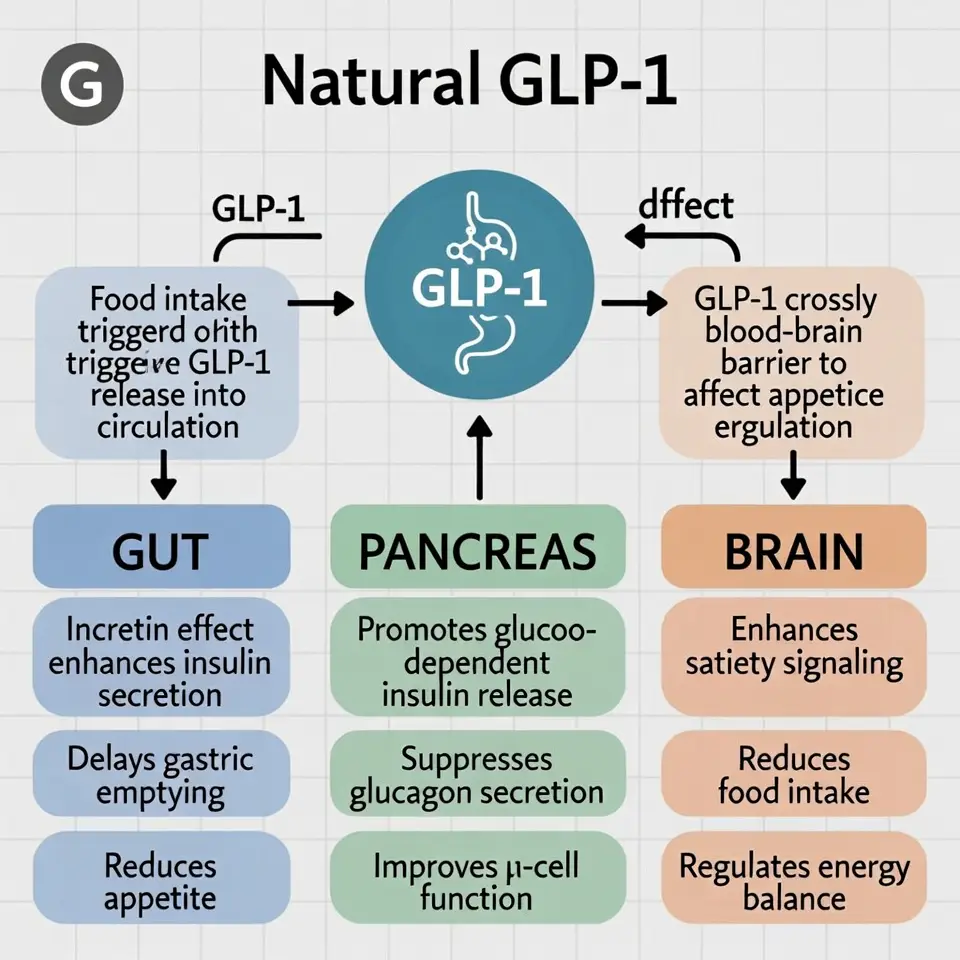
Natural GLP-1 (glucagon-like peptide-1) is released mainly by intestinal L-cells when nutrients reach the gut. The signal is brief and meal-dependent; it is not a continuous circulating weight-loss hormone circulating at drug-like levels all day.
Because the peptide is rapidly degraded by DPP-4 enzymes, its half-life is short. That short window is why meal timing, protein density, and fiber quality matter for postprandial incretin signaling.
L-cells sit along the distal small intestine and colon. When chyme delivers amino acids, fatty acids, and fermentable carbohydrates farther down the tract, L-cells release incretin peptides into the bloodstream and toward neural pathways that influence appetite.
Endogenous production also interacts with other gut hormones such as PYY and with vagal afferents. Thinking only about one peptide understates how digestion, microbiome activity, and nervous-system feedback co-regulate satiety.
Natural GLP-1 belongs to a broader incretin family that also includes GIP. Dual and triple agonists in medicine exploit related receptors; lifestyle education still starts with what your own gut releases after ordinary meals.
Core Actions of Natural GLP-1
Natural GLP-1 stimulates insulin secretion in a glucose-dependent manner, slows gastric emptying, and supports satiety signaling between gut, pancreas, and brain. These actions help coordinate digestion with metabolic needs after carbohydrate-containing meals.
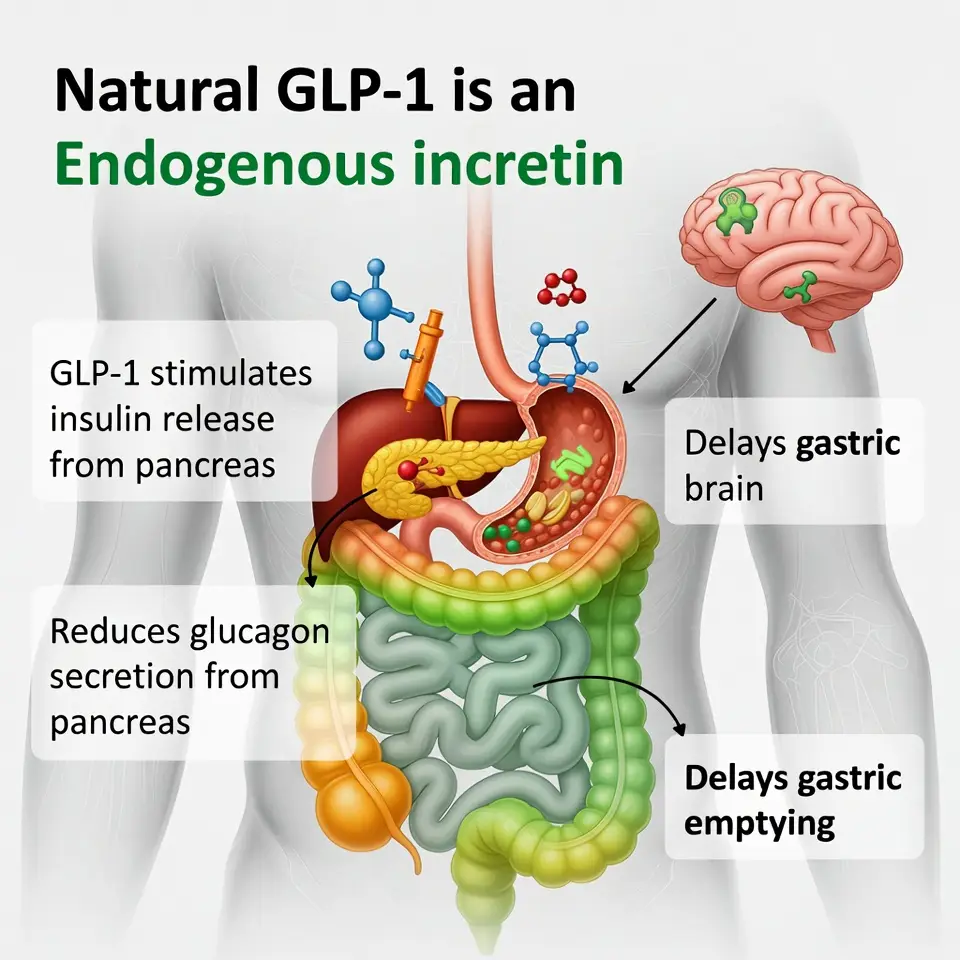
The same pathway reduces glucagon when glucose is elevated. That combination—insulin support plus moderated glucagon—is central to smoother post-meal glucose control for many people.
Glucose dependence is a safety feature: when blood sugar is already low, insulin stimulation from this pathway is limited. That property is one reason incretin biology became a pharmaceutical target, though drugs amplify and prolong receptor engagement far beyond a normal meal response.
Slower gastric emptying can blunt sharp glucose spikes after large carbohydrate loads. The tradeoff is that excessive slowing—especially from medications—can cause nausea in some patients. Endogenous meal responses are usually milder than pharmacologic effects.
Brain regions involved in reward and meal termination also receive incretin-related signals. That helps explain why some people report earlier fullness when meals are structured to favor distal nutrient delivery rather than rapid liquid sugar spikes.
Readers comparing endogenous signaling with medications can use our GLP-1 peptide guide alongside this overview of meal-driven incretin biology.
How Meals Influence Natural GLP-1
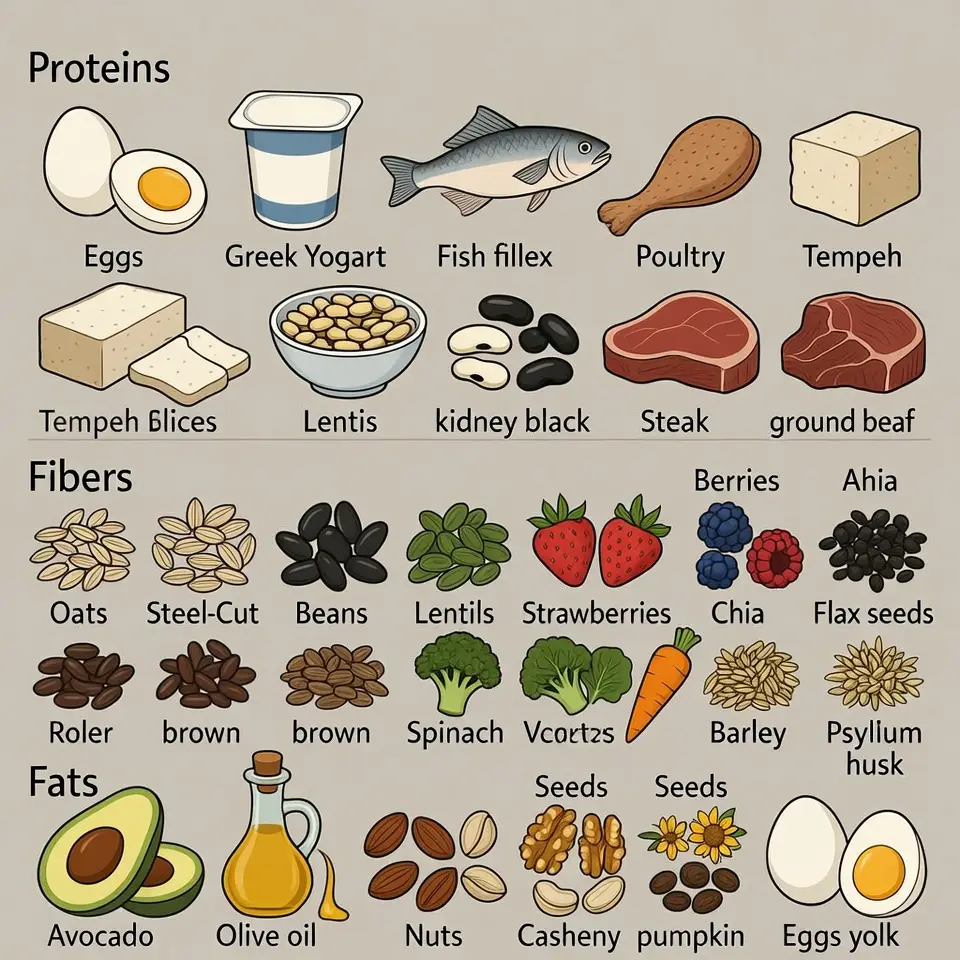
Natural GLP-1 release rises most when nutrients—especially protein, some fats, and fermentable fiber—reach the distal intestine. Rapidly emptied, ultra-processed meals may produce a weaker pattern for some people compared with whole-food meals of similar calories.
Protein-forward plates, adequate viscous fiber, and slower eating can support a more favorable response. Individual patterns vary with microbiome composition, gastric emptying rate, medications, and baseline metabolic status.
Liquid calories often empty faster than solid meals. Smoothies and soft drinks can deliver energy with less mechanical work and sometimes less durable satiety, even when macronutrients look similar on paper.
Fermentable fibers feed microbial production of short-chain fatty acids, which can further stimulate L-cell activity in some models. Translating that into a single “best fiber” supplement is oversimplified; dietary patterns matter more than one isolate.
Cooking methods and food form matter too. Intact grains and legumes generally empty differently than finely milled flours. Chewing thoroughly is a low-tech way to slow intake and improve early satiety cues before distal hormones fully rise.
Practical Ways to Support Natural GLP-1
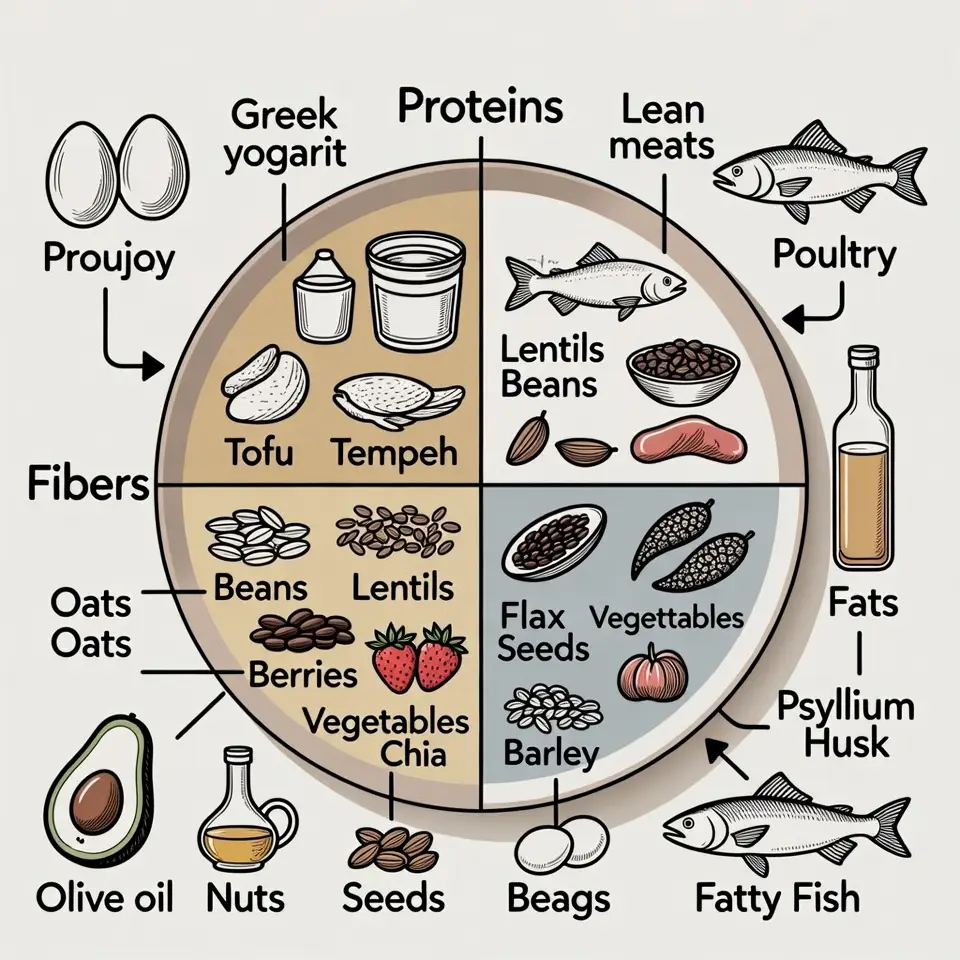
Support natural GLP-1 with habits that favor L-cell stimulation: prioritize protein at meals, include viscous fiber from oats, legumes, or psyllium as tolerated, avoid extreme grazing if it blunts distinct meal signals, and keep resistance training in the plan for insulin sensitivity.
Displays more block tools
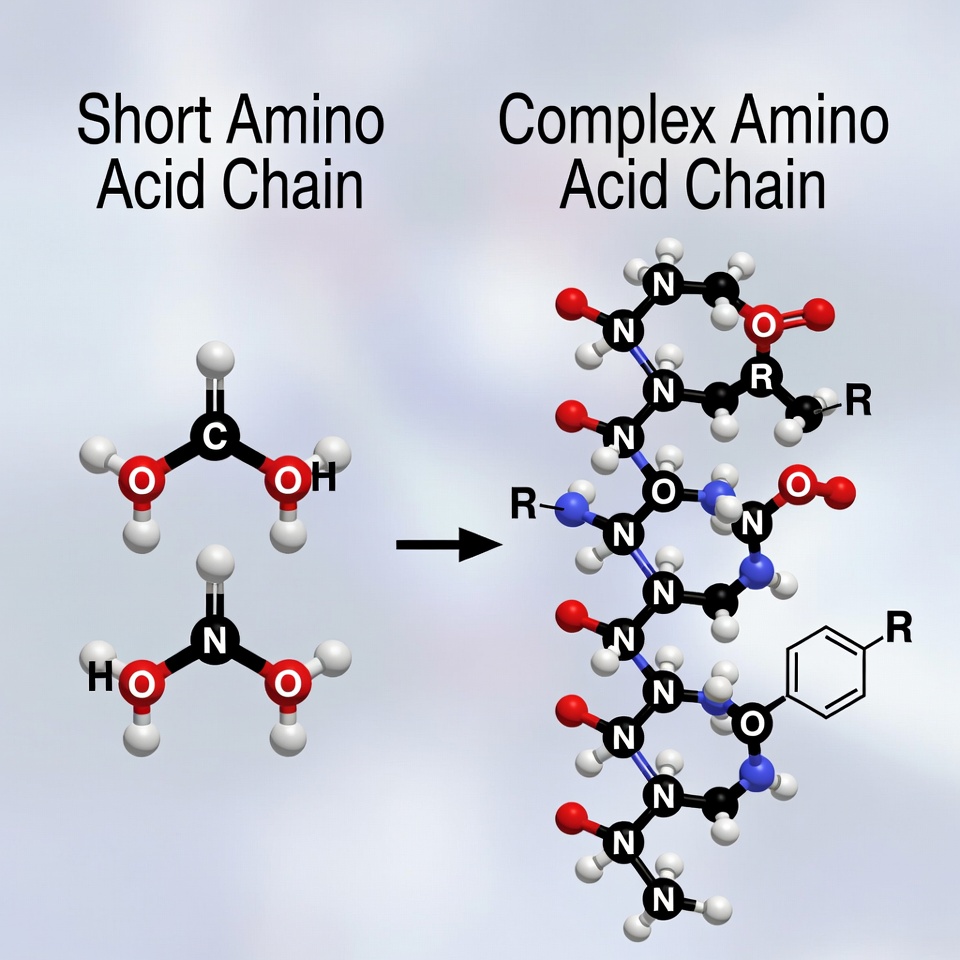
Sleep and stress also shape appetite hormones that interact with gut–brain pathways. Treating endogenous incretin biology as one piece of metabolic health—not a single lever—keeps expectations realistic.
Meal spacing that creates clear hunger–satiety cycles can help some people notice fullness cues more reliably. Others with medical needs require smaller, more frequent meals; clinical context always comes first.
Strength training improves muscle glucose disposal. Better insulin sensitivity can make endogenous post-meal signals feel more effective even if absolute hormone peaks are unchanged.
Walking after meals is a simple adjunct. Light activity can improve postprandial glucose independently of hormone peaks and pairs well with protein-forward plates that already support natural GLP-1 tone.
For dosing literacy when discussing related compounds in research contexts, see our peptide dosage calculator and general peptide safety guide.
Natural GLP-1 Versus GLP-1 Medications
Prescription agonists mimic or amplify receptor signaling for longer than endogenous peptide. Natural GLP-1 is brief and meal-tied; medications are engineered for sustained receptor engagement under medical supervision.
Education about endogenous hormones should not be confused with DIY medication use. Lifestyle support and clinical therapy are different tools with different risk profiles, monitoring needs, and evidence bases.
Side-effect profiles for drugs include gastrointestinal symptoms, rare but serious risks discussed in labeling, and the need for clinical follow-up. Food-based strategies rarely recreate drug-level outcomes—and should not be sold as if they do.
People already prescribed agonists still benefit from nutrition literacy. Understanding natural GLP-1 biology can clarify why protein targets, hydration, and gradual dietary changes remain relevant during therapy.
Compounded products and research chemicals are a separate risk category. Regulatory status, purity, and dosing precision differ from approved medicines; see safety resources before assuming any vial is equivalent to clinic care.
About “GLP-1 Supplements”
Many products marketed as boosters lack the evidence base of prescription agonists. Claims that a capsule recreates natural GLP-1 pharmacology should be treated skeptically unless supported by rigorous human data and transparent dosing.
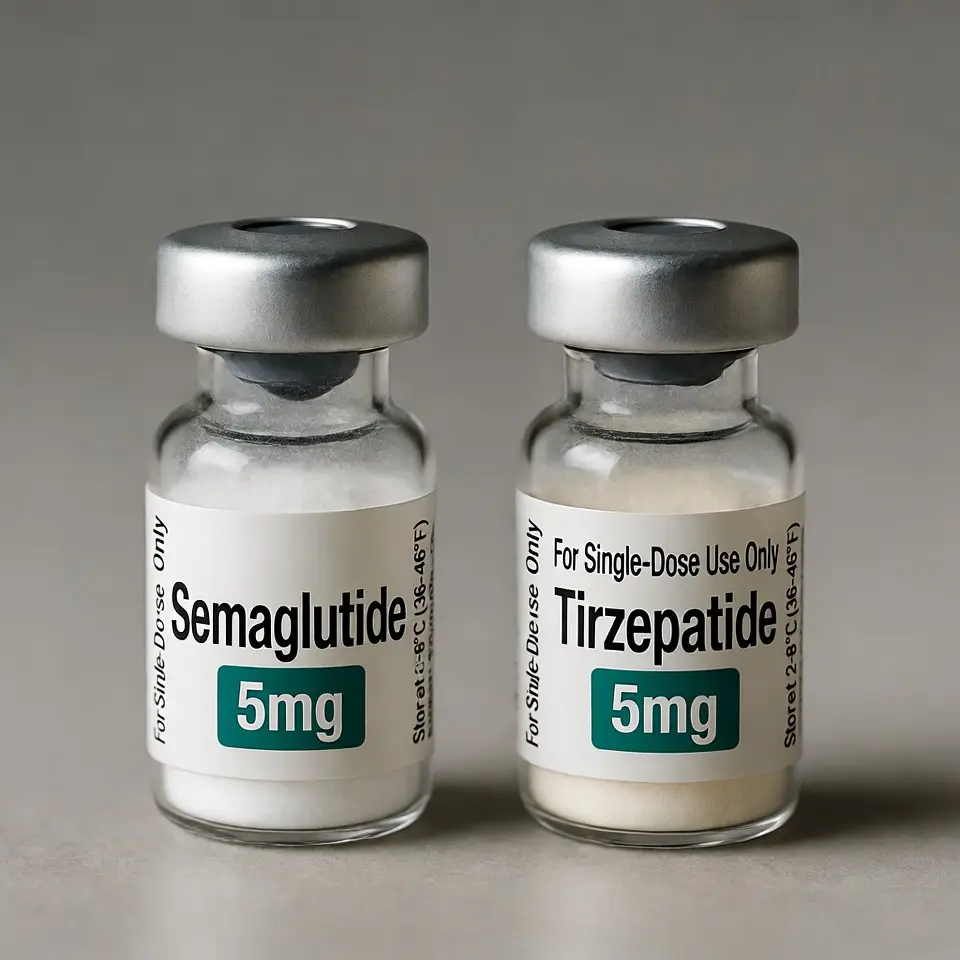
Focus on food patterns that support physiology rather than unproven shortcuts. When in doubt, ask clinicians or registered dietitians to interpret product claims and interactions with existing medications.
Ingredient lists sometimes include berberine, bitter extracts, or fiber blends. Some of these may have independent metabolic effects; that is not the same as proving they meaningfully raise circulating endogenous peptide to therapeutic levels.
Quality control also varies. Contaminated or mislabeled supplements are a recurring regulatory concern. Prefer brands with third-party testing when you choose any adjunct product.
Marketing language often borrows clinical acronyms without clinical evidence. If a label promises “Ozempic-like” effects from a powder, demand citations, adverse-event data, and clear dosing—or walk away.
Research Context for Natural GLP-1
Incretin biology reviews describe how natural GLP-1 coordinates insulin and appetite. See this PubMed incretin overview for peer-reviewed context on pathways that shape post-meal metabolism.
For approved therapies that act on related receptors, review the FDA semaglutide medication safety page—useful contrast when discussing endogenous signaling versus drugs.
Additional clinical literature explores DPP-4 inhibitors, dual agonists, and gastric emptying measurements. Depth in the literature does not imply that over-the-counter products match those interventions.
Animal and cell studies often show larger effect sizes than free-living human trials. When reading claims about “maximizing” endogenous release, check whether the cited study used physiologic meals or pharmacologic probes.
Systematic reviews are preferable to single influencer summaries. Look for sample size, population (healthy vs diabetes), and whether outcomes were hormone levels, glucose, appetite scores, or weight.
Gut Health, Microbiome, and Incretin Tone
Microbiome composition influences fermentation and, indirectly, L-cell stimulation. Diversity-supporting diets rich in plants and fermented foods are reasonable foundations, though microbiome science is still evolving quickly.
Antibiotics, chronic stress, and ultra-low-fiber patterns can shift microbial communities. Restoring fiber gradually reduces GI discomfort while supporting fermentation pathways linked to gut hormone tone.
Not every GI symptom is an incretin problem. Bloating, reflux, or irregularity need separate evaluation. Do not force high-fiber protocols during active flares without clinician guidance.
Natural GLP-1 discussions sometimes oversell probiotics. Strain-specific evidence is limited for hormone outcomes; food-first fiber and protein remain the more reliable levers for most readers.
Who Should Be Especially Careful

People with diabetes, gastroparesis, pancreatitis history, or eating disorders should get personalized medical advice before major diet or medication changes. Educational articles cannot replace individual assessment.
Pregnancy, breastfeeding, and pediatric use of metabolic drugs require specialist oversight. Lifestyle education can still emphasize balanced meals and activity, but avoid aggressive experiments.
If you take medications that slow gastric emptying or affect glucose, coordinate nutrition changes with your care team to avoid hypoglycemia or GI intolerance.
Older adults may have altered emptying, taste, and protein needs. Emphasize adequate protein and resistance work rather than extreme restriction framed as a hormone hack.
Building a Sustainable Meal Pattern
A practical template for many adults: protein at each meal, colorful plants for fiber and micronutrients, minimally processed carbohydrates matched to activity, and fats that support satiety without displacing protein.
Hydration and sodium balance matter for people increasing fiber or training hard. Sudden large fiber jumps are a common cause of temporary bloating that people misattribute to “toxin” narratives.
Tracking can help for a few weeks—hunger ratings, energy, and glucose if prescribed a meter—but obsessive tracking can backfire. Use data to learn patterns, then simplify.
Social meals and cultural foods belong in sustainable plans. Perfect macros that ignore real life usually fail. Aim for repeatable defaults, not temporary perfection.
Batch-cooking protein and prepping vegetables reduces reliance on ultra-processed defaults. Convenience strategies that preserve protein and fiber support the same physiology that natural GLP-1 depends on after meals.
Alcohol can disrupt sleep, appetite regulation, and next-day food choices. Occasional intake is a personal decision; frequent heavy drinking works against metabolic goals regardless of hormone jargon.
Training, Stress, and Appetite Signals
Resistance training two to four days weekly supports muscle mass and insulin sensitivity. Cardio helps cardiovascular health and calorie balance; it does not replace strength work for long-term metabolic resilience.
Chronic sleep restriction raises hunger and can blunt dietary adherence. Protecting a consistent sleep window often improves appetite control more than adding another supplement marketed around incretins.
Psychological stress alters eating patterns toward rapid, reward-dense foods. Stress skills—brief walks, counseling, boundaries—are metabolic tools even when they never mention natural GLP-1 by name.
Overtraining without recovery can raise cortisol and disrupt appetite. Progressive programs with rest days outperform random high-intensity streaks sold as hormone optimization.
Natural GLP-1 FAQ
Is natural GLP-1 the same as Ozempic?
No. Endogenous peptide is short-acting and meal-tied; Ozempic is a long-acting agonist. They share receptor themes but differ in duration, dosing, and clinical use.
Can I raise natural GLP-1 without medication?
Meal composition, fiber, protein, sleep, and overall metabolic health can support favorable patterns. Results vary and are usually modest compared with prescription therapy.
Does natural GLP-1 burn fat by itself?
The pathway influences satiety and insulin timing; fat loss still depends on energy balance, training, adherence, and medical context.
Are supplements required?
No. Food patterns come first. Supplements are optional adjuncts with uneven evidence and should not replace clinician-guided care when medications are indicated.
How fast do meal strategies work?
Some people notice appetite and energy changes within days to weeks. Meaningful body-composition change still takes consistent habits over months.
Should I test hormone levels?
Routine outpatient testing of endogenous peptide is uncommon and not required for basic lifestyle counseling. Clinicians focus on glucose, A1C, lipids, and symptoms when relevant.
Key Takeaways on Natural GLP-1
Natural GLP-1 is a short-acting incretin that helps coordinate post-meal insulin, emptying, and satiety. Supporting the pathway means better meal structure—not miracle supplements or unsupervised drug use.
Use this literacy to ask better clinical questions and to separate endogenous physiology from medication marketing. When therapy is appropriate, combine it with nutrition and resistance training rather than treating any single signal as the whole story.
For related reading on reconstitution and research hygiene, see our peptide reconstitution guide and peptide science guide.
Keep natural GLP-1 education practical: build protein-forward meals, protect sleep, train consistently, and escalate to medical care when lifestyle alone is not enough.
Shopping and Kitchen Defaults That Help
Stocking the kitchen for metabolic health is less about exotic ingredients and more about defaults you will actually cook. Keep eggs, Greek yogurt, canned fish, frozen vegetables, beans, oats, and olive oil on hand so protein and fiber are easy under time pressure.
Read labels for added sugar in sauces and drinks. Liquid sugar can raise energy intake without the chewing and distal nutrient delivery that support natural GLP-1 after solid meals.
Restaurant strategies include ordering protein first, requesting vegetables as sides, and eating slowly enough to notice fullness. You do not need perfect macros away from home—just fewer blank-check appetizers and sugary drinks.
Meal kits and prepared foods can fit if protein is adequate and sodium is tolerable for your health context. Convenience is a tool; ultra-processed snacks marketed as “GLP-1 friendly” still need scrutiny.
Common Myths About Natural GLP-1
Myth: one supplement recreates prescription agonist effects. Reality: natural GLP-1 is short-lived, and most OTC products lack equivalent evidence.
Myth: you must eliminate all carbohydrates. Reality: carbohydrate quality, meal context, and total energy matter more than zero-carb absolutism for most people without a clinician-directed plan.
Myth: if you feel hungry, your hormones are “broken.” Reality: hunger is multi-factorial—sleep, stress, energy density, and habits all play roles alongside incretin tone.
Myth: more fiber overnight fixes everything. Reality: abrupt fiber loading can worsen GI symptoms; titrate slowly while keeping protein steady.
How to Talk With Your Clinician
Bring concrete questions: current medications, glucose trends, GI history, and goals for weight or diabetes care. Ask whether lifestyle-first care, medication, or both fit your risk profile.
Share what you have already tried with meals and training. Clinicians can better tailor advice when they know your adherence barriers, food access, and cultural preferences.
If you are researching peptides or compounded products, ask about legality, purity risks, and approved alternatives. Pair that conversation with our peptide calculator guide for measurement literacy—not as a substitute for medical orders.
Document side effects if you start any prescribed agonist. Nausea, constipation, or appetite collapse that impairs protein intake deserve timely follow-up rather than silent endurance.
Putting Natural GLP-1 Into a Weekly Rhythm
Choose three default breakfasts and three default dinners that are protein-forward and fiber-aware. Rotation reduces decision fatigue while still supporting natural GLP-1 at regular meals.
Schedule two strength sessions and at least one longer walk. Protect a sleep window on weeknights. Review progress monthly with weight, waist, energy, or clinician labs—not daily scale obsession.
When travel or holidays disrupt routines, return to defaults within one or two days rather than waiting for a “perfect Monday.” Consistency beats intensity for endogenous hormone-friendly habits.
Natural GLP-1 literacy is most useful when it changes shopping lists, plate composition, and clinical conversations—not when it fuels endless content consumption without action.