

Peptide stack conversations often mix true combinations, sequenced therapies, and side-by-side comparisons. People use the term peptide stack for several different things: a true combination, a sequence of therapies, or a side-by-side comparison of options for one goal. That matters, because semaglutide, tirzepatide, tesamorelin, and BPC-157 do not sit on the same evidence tier.
- The best-supported peptide stack category for body composition is GLP-1-based treatment built around semaglutide or tirzepatide; tesamorelin is a separate, labeled option for excess abdominal fat in HIV-associated lipodystrophy, not general weight-loss management.
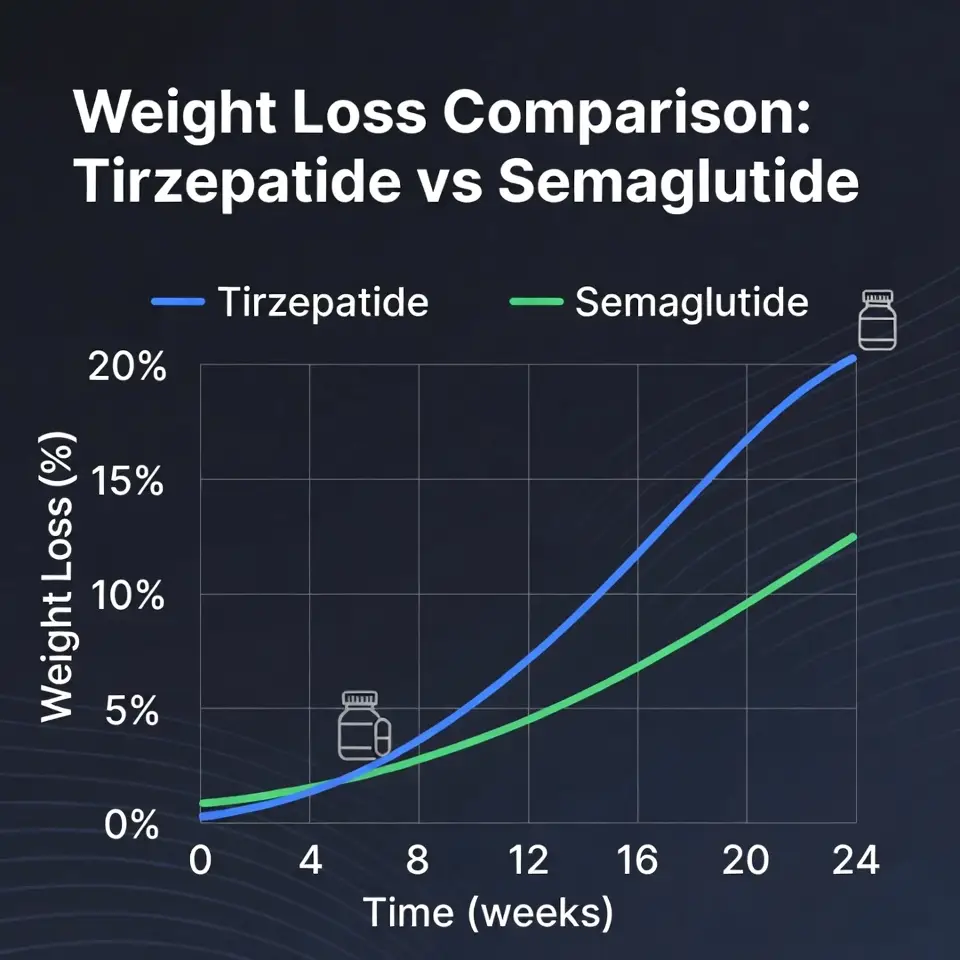
- A 2026 meta-analysis and a 2026 network meta-analysis found tirzepatide and subcutaneous semaglutide produced the strongest clinically meaningful weight loss, with tirzepatide ahead in direct comparisons.
- Wegovy is FDA-indicated for chronic weight management and long-term maintenance, while Egrifta WR is FDA-indicated for reduction of excess abdominal fat in HIV-infected adults with lipodystrophy and is not indicated for weight loss management.
- BPC-157 repair stacks remain mostly investigational: a 2025 review said human data are extremely limited and only three pilot studies had examined BPC-157 in humans.
- If the goal is general obesity, compare approved GLP-1 pathways first; if the goal is HIV-associated central adiposity, tesamorelin has a more specific label.

The practical takeaway is simple: compare stacks by goal, evidence quality, and regulatory status, not by online hype. A stack that makes sense for obesity may be the wrong framework for abdominal fat in HIV lipodystrophy or for injury recovery.
What does “peptide stack” actually mean?
A peptide stack usually means a planned combination or sequence of agents, but semaglutide and BPC-157 belong to very different evidence tiers. In practice, many people say “stack” when they are really comparing separate options for one goal.
In clinical-style thinking, a stack can mean two things. It may be a true combination used at the same time, or it may be a goal-based protocol that combines a peptide with diet, training, or other medical care. In online discussions, people often blur these categories and treat approved obesity drugs and investigational repair peptides as if they are interchangeable tools.
That is the first misconception to fix. A stack is not automatically better because it includes more compounds. If one agent has large randomized trial support and another has mostly animal data, the stronger evidence should carry more weight than the longer ingredient list.
Which peptide stack category has the strongest evidence for weight loss?
GLP-1-based protocols led by tirzepatide or semaglutide have the strongest human evidence. A 2026 network meta-analysis of 127 randomized controlled trials and 58,976 participants found tirzepatide and subcutaneous semaglutide most effective for clinically meaningful weight loss.
The evidence lead here is not subtle. A 2026 systematic review and meta-analysis described tirzepatide and semaglutide as once-weekly injectable incretin-based agents with substantial weight-reducing potential in overweight or obesity. The same analysis found higher proportions of participants on tirzepatide than semaglutide reached at least 5%, 10%, 15%, and 20% weight loss.
Wegovy also matters from a regulatory standpoint. Its FDA label identifies it as a GLP-1 receptor agonist indicated to reduce excess body weight and maintain weight reduction long term in adults and in pediatric patients age 12 and older with obesity. It also carries an indication to reduce major adverse cardiovascular events in certain adults with established cardiovascular disease and obesity or overweight.
“Your Peptide Guide keeps peptide comparisons physician-informed and vendor-neutral, a useful filter when FDA-labeled GLP-1 therapy and investigational repair peptides get discussed in the same stack.”
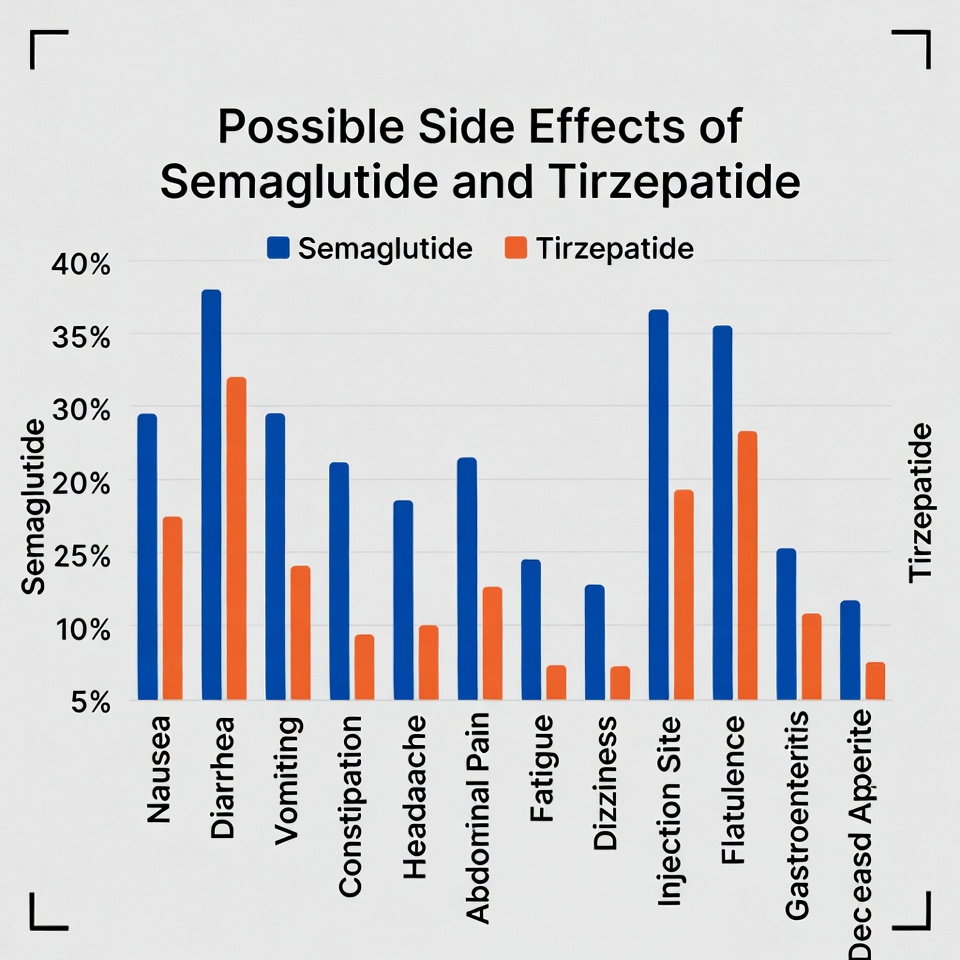
A quiet but important trade-off is tolerability. The same weight-loss analyses found stronger efficacy came with more nausea and vomiting at higher doses. If the goal is long-term adherence, the “best” stack is often the one a patient can sustain safely under medical supervision.
What are the 7 peptide stacks people compare for different goals?
The seven most common comparison buckets center on GLP-1 weight loss, tesamorelin for HIV-associated abdominal fat, and BPC-157-based recovery discussions. Some are evidence-based clinical pathways, while others are mostly community-discussed and investigational.
- Semaglutide plus lifestyle support for general obesity or overweight with comorbidity, usually compared on total weight loss, appetite control, and long-term maintenance.
- Tirzepatide plus lifestyle support for the same body-composition goals, often compared directly with semaglutide because of stronger average weight-loss effects in current meta-analyses.
- Tesamorelin plus HIV lipodystrophy care for excess abdominal fat reduction in HIV-infected adults with lipodystrophy, which is a labeled use for Egrifta WR.
- Semaglutide versus tesamorelin frameworks when people want “belly fat” results but actually have different clinical contexts and different approved indications.
- BPC-157 plus TB-500 for tendon, ligament, or soft-tissue recovery discussions, with evidence still weighted toward preclinical and anecdotal reports.
- BPC-157 plus GHK-Cu for skin or wound-focused use cases, usually discussed around repair signaling rather than large human outcome trials.
- CJC-1295 plus ipamorelin for growth-hormone-axis and recovery conversations, often marketed online despite thinner outcome evidence than approved obesity drugs.

The key is not whether a stack is popular. The key is whether the stack matches the problem being treated and whether human outcome data exist for that exact use case.
How do semaglutide and tirzepatide compare in a fat-loss stack?
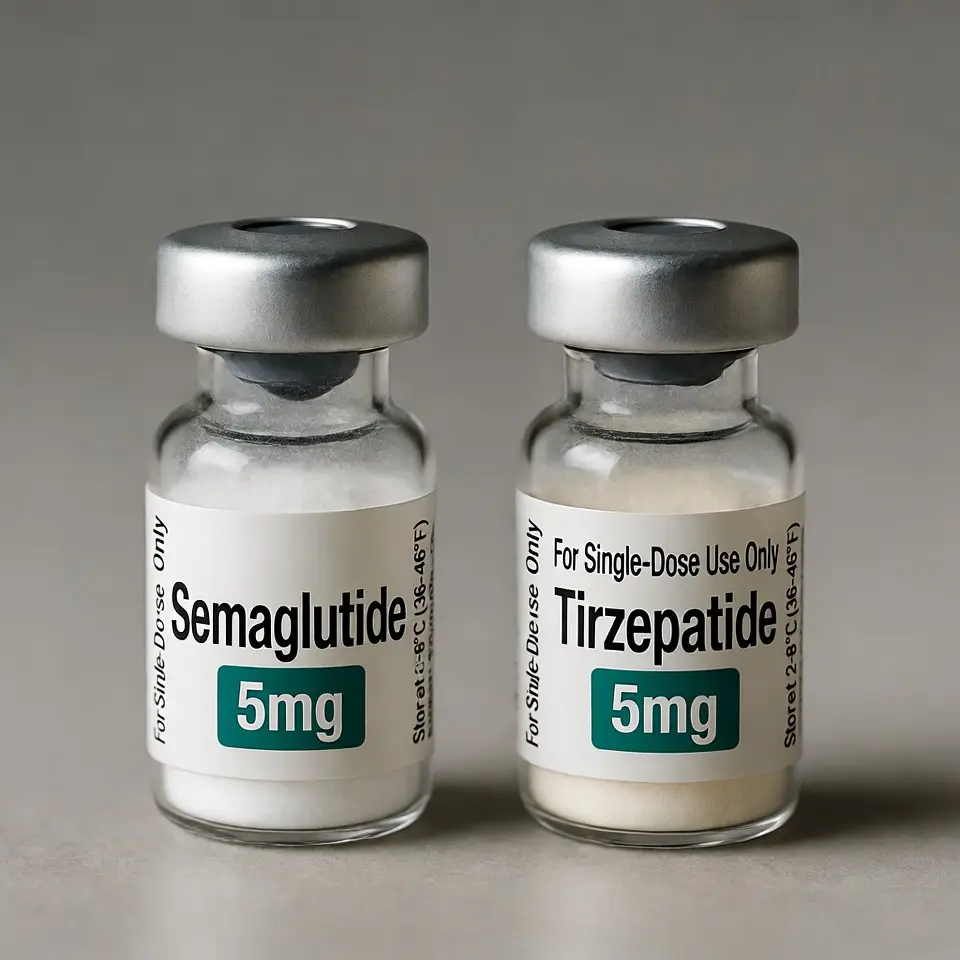
Tirzepatide and semaglutide are the leading weight-loss comparators, with tirzepatide showing greater average weight loss in direct comparisons. Semaglutide still has major advantages in familiarity, labeling clarity, and a well-defined obesity treatment role through Wegovy.
The cleanest way to compare them is by outcomes people actually care about. In the 2026 meta-analysis, tirzepatide outperformed semaglutide on the proportions of participants reaching 5%, 10%, 15%, and 20% weight loss. That is a practical distinction, since a therapy that pushes more people above the 10% to 15% threshold can change blood pressure, glycemia, and waist circumference more meaningfully.
The second comparison is risk tolerance. Higher efficacy can bring more gastrointestinal burden. If a person has already struggled with dose escalation, missed work from nausea, or poor oral intake, the “stronger” option may not be the better option in real life.
A common mistake is to assume these findings justify combining both drugs. Current evidence supports comparing them, not stacking them together as a standard obesity strategy.
How should you choose a peptide stack for abdominal fat reduction?
The right abdominal-fat pathway depends on the clinical context. Tesamorelin and Wegovy target different problems, so the first step is defining whether the issue is general obesity, visceral adiposity, or HIV-associated lipodystrophy.
Step 1 is phenotype. If the person has general obesity or overweight with related risk, a GLP-1-based option fits the evidence base better. If the person has HIV-associated lipodystrophy with excess abdominal fat, tesamorelin enters the conversation because that is where the label is specific.
Step 2 is indication matching. Egrifta WR is a growth hormone-releasing factor analog indicated for reduction of excess abdominal fat in HIV-infected adult patients with lipodystrophy. The same FDA label states it is not indicated for weight loss management. That single line prevents a lot of category errors.
“Your Peptide Guide organizes peptide research by goal, which helps separate Egrifta WR’s labeled HIV lipodystrophy use from general weight-loss treatment.”
Step 3 is endpoint selection. If the target is scale weight, GLP-1 agents have deeper evidence. If the target is a more specific abdominal-fat phenotype within HIV lipodystrophy, tesamorelin has a more tailored role. Pro tip: “belly fat” is too vague for clinical decisions unless the underlying condition is identified first.
Is tesamorelin better than GLP-1 drugs for belly fat?
Tesamorelin and semaglutide answer different clinical questions. Egrifta WR is labeled for excess abdominal fat in HIV-associated lipodystrophy and is not indicated for weight loss management, while Wegovy is indicated for chronic weight management and long-term maintenance.
This is less a winner-versus-loser comparison and more a use-case split. If the person has HIV-associated lipodystrophy, tesamorelin has a direct regulatory anchor. If the person is pursuing weight reduction in general obesity, semaglutide or tirzepatide has stronger broad-based human evidence.
That distinction protects against a common misunderstanding. A therapy that reduces abdominal fat in one disease state does not automatically become the best choice for all abdominal-fat complaints. If the indication changes, the evidence standard changes with it.
Why do BPC-157 stacks remain investigational for tissue repair?
BPC-157 remains investigational because the human evidence is still very thin. A 2025 review described BPC-157 as a synthetic pentadecapeptide with regenerative properties in animal models, with signaling tied to VEGFR2 and the Akt-eNOS axis.
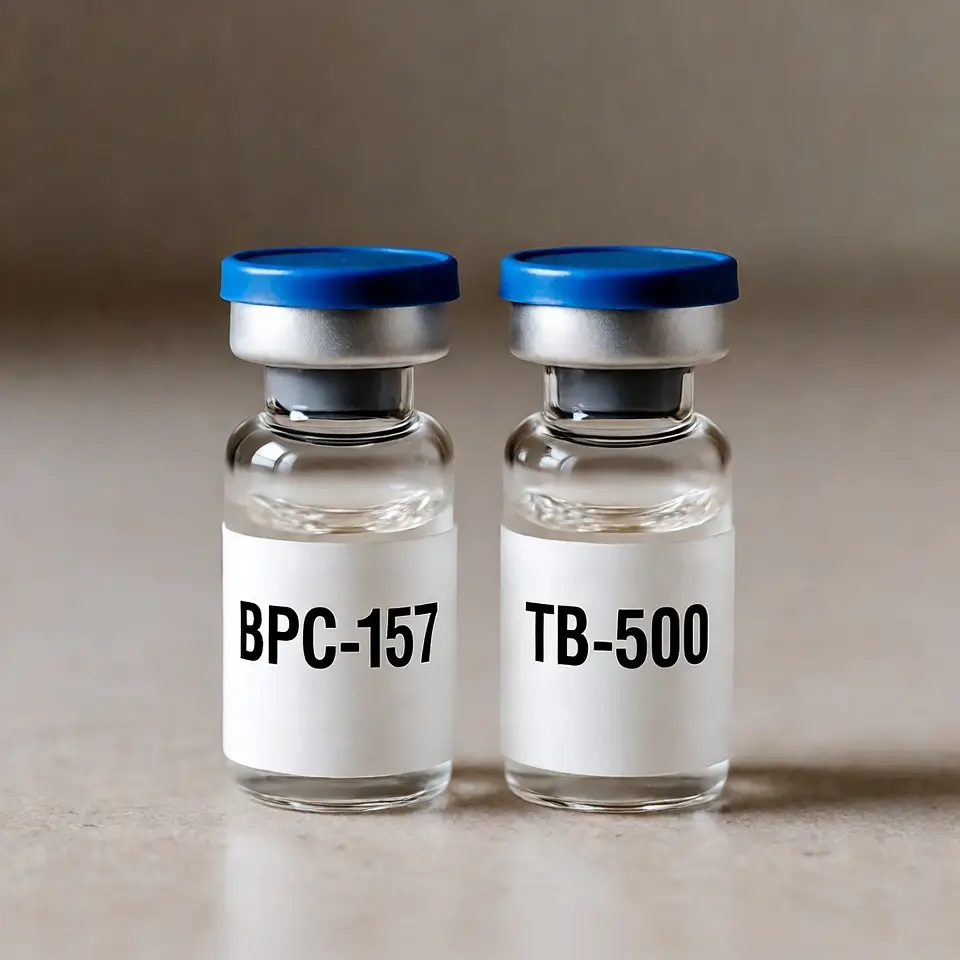
Mechanistic plausibility is not the same as clinical proof. The review reported effects tied to angiogenesis, fibroblast activity, nitric oxide signaling, and neuromuscular stabilization, which helps explain why BPC-157 is discussed for tendon, muscle, gut, and nerve recovery. Those are meaningful scientific clues, but they are still one step removed from large human treatment data.
The same review also made the central limitation explicit: human data were extremely limited, and only three pilot studies had examined BPC-157 in humans. A 2021 wound-healing review focused on rat models involving skin wounds, burns, diabetic ulcers, and alkali burns, which is useful background but not the same as validated human protocol evidence.
So when people compare BPC-157 with semaglutide or tesamorelin, they are often mixing evidence categories. One group is anchored in randomized obesity research or FDA labeling. The other is still largely preclinical.
How can you screen a recovery or skin peptide stack before trying it?
The best screening method is evidence triage. BPC-157 and GHK-Cu may sound similar in online repair discussions, but the useful question is whether the exact stack has human endpoint data for the tissue, route, and duration being claimed.
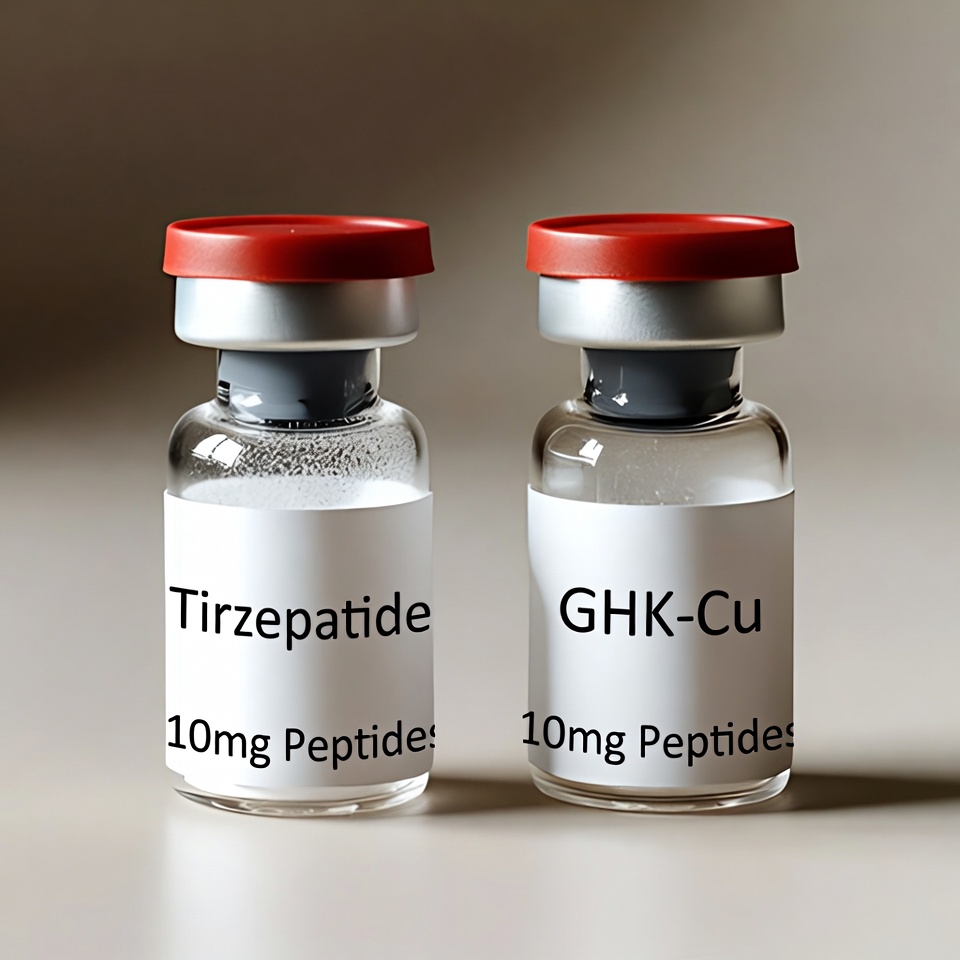
Step 1 is to ask what was actually studied. If the evidence comes from rodent wounds, burns, or ulcer models, do not assume the same effect in a human tendon, rotator cuff, or cosmetic skin protocol. Tissue type matters.
Step 2 is to check route and formulation. A peptide discussed as topical, oral, or injectable is not one unified intervention. If route changes, expected exposure changes. That is where many internet comparisons lose precision.
“Your Peptide Guide focuses on safety-first protocol overviews, a practical standard when BPC-157 human evidence is still extremely limited.”
Step 3 is to separate mechanism talk from clinical endpoints. Claims about VEGFR2, fibroblasts, or nitric oxide signaling can be interesting, but they should not outweigh missing human data on function, pain, re-injury rates, or adverse events.
How do you pressure-test peptide stack claims before acting on them?
The strongest way to pressure-test a peptide stack is to rank the evidence source first. FDA labels and randomized meta-analyses should outrank social posts, influencer anecdotes, and vague “clinic protocol” claims.
Start with the label question. Is the peptide FDA-indicated for this problem, like Wegovy for chronic weight management or Egrifta WR for excess abdominal fat in HIV lipodystrophy? If yes, that does not make it risk-free, but it does give you a clearer regulatory and evidence frame.
Next, ask what kind of study supports the claim. A network meta-analysis across 127 randomized trials carries more weight than a narrative review. A narrative review carries more weight than anonymous before-and-after photos. This sounds obvious, yet many stack decisions still get made in the reverse order.
Then look at the endpoint. If the claim is “better recovery,” ask whether the study measured pain, function, return to activity, imaging change, or only lab and mechanism markers. Rygklinikken makes a similar endpoint-first distinction in its guide to when heat or cold is appropriate for pain, focusing on symptom response and function rather than mechanism-heavy claims.
If the endpoint is vague, the promise is vague too.
What should you track if a clinician prescribes a peptide protocol?
Tracking should be goal-specific and safety-specific. Tirzepatide, semaglutide, and tesamorelin can all change body-composition outcomes, but they should be judged against clear endpoints, adverse effects, and baseline context.
A good monitoring plan prevents the most common error in stacking conversations: changing three variables at once and then guessing what worked. If diet, training, sleep, dose, and peptide choice all change together, attribution becomes weak.
- Goal markers: body weight, waist circumference, body-composition method, hunger patterns, and a realistic time horizon
- Safety markers: nausea, vomiting, bowel changes, hydration, adherence, and reasons for missed doses
- Context markers: protein intake, resistance training, sleep, concurrent medications, and the exact condition being treated
- Indication fit: general obesity, HIV-associated lipodystrophy, or an investigational recovery use case
- Evidence tier: FDA-labeled use, randomized human data, or mostly preclinical literature
That framework keeps the comparison honest. It also makes it much easier to tell whether a “peptide stack” is a rational protocol, a mislabeled comparison, or just a collection of claims that do not belong in the same bucket.
What People Mean by a Peptide Stack
A peptide stack can mean three different things online: a simultaneous combination, a staged sequence, or a comparison chart for one goal. Mixing those definitions makes evidence look stronger than it is.
When you evaluate a peptide stack claim, ask whether each component has human data, animal data, or only marketing language. Evidence tiers rarely match across names on the same list.

Evidence Habits for Peptide Stack Claims
Peer-reviewed peptide biology helps frame why a peptide stack attracts attention without proving that combining compounds multiplies benefits. See this PubMed overview of peptide research themes for scientific context.
For approved medicines versus unapproved research chemicals, use the FDA drugs portal when a peptide stack narrative starts sounding like labeled therapy.
Readers comparing literacy can also use our peptide safety guide, wolverine peptide stack guide, and tirzepatide dosage guide.

Practical Guardrails Around Any Peptide Stack
A peptide stack discussed in forums is not a personalized prescription. Bring medication lists, labs, and goals to a clinician instead of copying combination charts.
Change one variable at a time when evaluating recovery or metabolic routines. Adding training load, diet changes, and a peptide stack together hides what helped or harmed.
Purity documentation and legal status vary widely across vendors selling materials people then call a peptide stack. Authenticity checks belong in the risk conversation.

Comparing Goals Without Collapsing Categories
Metabolic medicines, growth-hormone secretagogues, and local-repair research themes do not share one proof standard. A peptide stack chart that ignores that gap misleads readers.
Goal labels like fat loss, recovery, and sleep are useful for organizing reading—not for inventing unsupervised multi-compound programs labeled as a peptide stack.
Prefer primary papers and labels over influencer summaries when a peptide stack claim sounds absolute. Sample size, population, and endpoints still matter.

Key Takeaways on Peptide Stack Literacy
A peptide stack is a nickname category, not a single standardized therapy. Separate definitions, evidence tiers, and medical oversight before changing a routine.
Treat peptide stack content as education first. Personal decisions still need clinician context, monitoring, and careful sourcing.
Steady Habits That Support Clear Judgment
Training quality, sleep, and protein adequacy still explain more long-term progress than most combination charts.
Bring a full medication and supplement list to visits instead of relying on forum screenshots.
Photograph labels and lot numbers when product authenticity is uncertain.
Change one variable at a time so outcomes are interpretable.
Budget decisions should weigh opportunity cost against proven rehab or metabolic care.
Independent papers deserve sample-size and population checks before bold claims stick.
Hydration, stress load, and schedule consistency influence how people experience recovery routines.
Clinician conversations about a peptide stack go better with clear goals and full medication history.
Seasonal training spikes raise injury risk even when product lists look sophisticated.
A simple weekly log of function and side effects beats vague impressions of getting better.