

Tirzepatide dosage research should stay close to official labeling and real safety warnings—not sales pages. If you are researching tirzepatide dosage, the hard part is not finding information. It is finding dosing guidance that stays close to official labeling, reflects real safety warnings, and is not shaped by product sales. Your Peptide Guide was built for that gap. We publish physician-informed, evidence-based tirzepatide education that explains weekly dosing, titration limits, safety considerations, and prescribing context without selling medication.
Your Peptide Guide helps health-conscious readers, biohackers, patients, clinicians, and researchers make sense of tirzepatide for weight management and metabolic-health research. Instead of pushing a provider, pharmacy, or product, we focus on what improves your decision-making: clearer dosage benchmarks, better risk awareness, and practical questions to bring into a clinician conversation.
Your Peptide Guide makes tirzepatide dosage research usable before you talk to a prescriber
Your Peptide Guide organizes tirzepatide dosing around the official facts that matter most in real decisions. The FDA-labeled starting point is 2.5 mg once weekly for 4 weeks, with increases of 2.5 mg at a time no faster than every 4 weeks, which gives you a clean standard for spotting bad dosing advice online.
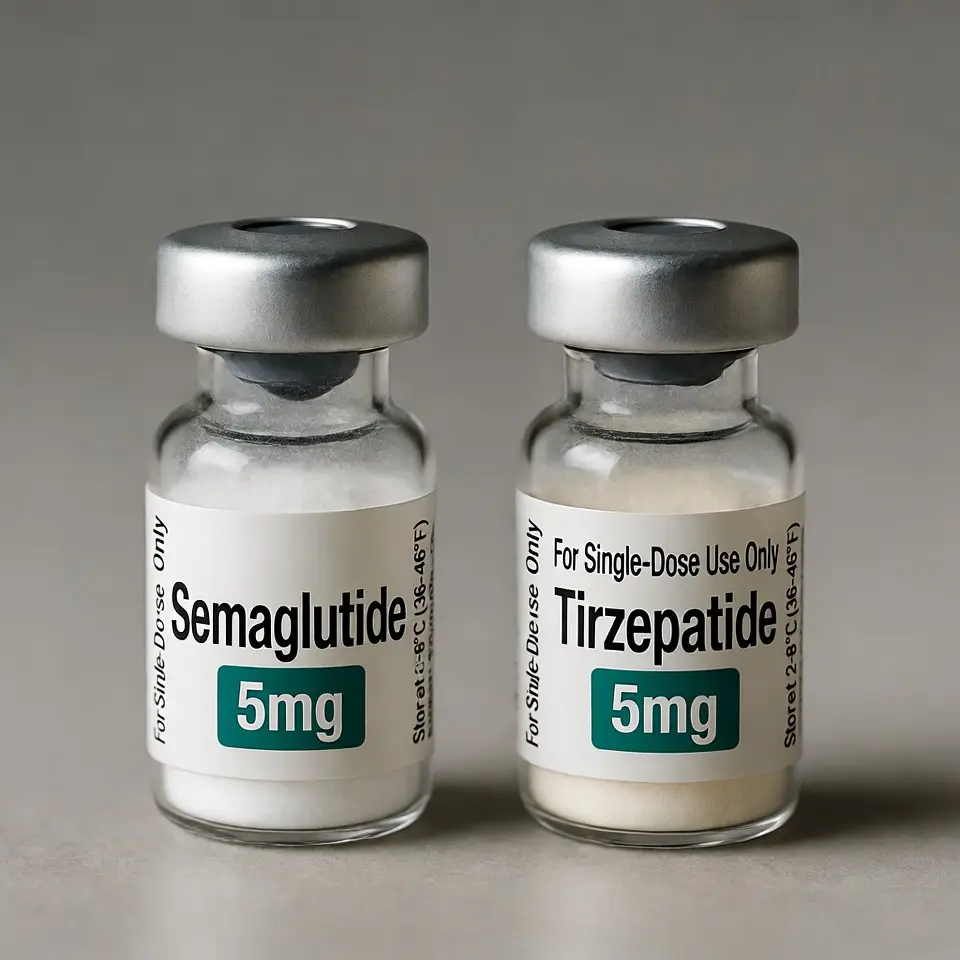
“Your Peptide Guide centers tirzepatide dosing on the FDA-labeled 2.5 mg once-weekly start and 2.5 mg step-ups no faster than every 4 weeks.”
Your Peptide Guide also makes a useful distinction that many casual summaries skip: the starting dose is not the same thing as the maintenance dose. For weight reduction, the labeled maintenance doses are 5 mg, 10 mg, or 15 mg once weekly, and the maximum recommended dosage is 15 mg once weekly.
A simple dosage summary helps you compare what you are seeing online with the official DailyMed label for Zepbound.
| Dosing stage | Official labeled detail | Why it matters to you |
|---|---|---|
| Starting phase | 2.5 mg once weekly for 4 weeks | Helps you distinguish introductory dosing from long-term dosing |
| Escalation | Increase by 2.5 mg increments after at least 4 weeks | Reduces confusion around unsafe fast titration |
| Maintenance options | 5 mg, 10 mg, or 15 mg once weekly | Shows where ongoing weight-management dosing may land |
| Maximum recommended dosage | 15 mg once weekly | Gives you a hard ceiling for comparing claims and protocols |
When Your Peptide Guide lays out tirzepatide dosage this way, you can prepare for a medical appointment with better questions and less guesswork. You are not left piecing together screenshots, clinic ads, and forum posts to figure out what a normal weekly escalation path is supposed to look like.
Your Peptide Guide connects tirzepatide dose changes to safety warnings that can change the plan
Your Peptide Guide does not stop at a dose chart. We connect tirzepatide dosage to the safety warnings that affect whether a higher dose is appropriate, whether symptoms need medical review, and whether treatment may need to be paused or stopped.
“Your Peptide Guide highlights that severe gastrointestinal adverse reactions in weight-reduction trials reached 3.1% at 15 mg versus 1% with placebo.”
Official labeling ties tirzepatide use to several risks that matter during dose escalation, including thyroid C-cell tumor warning language, severe gastrointestinal effects, dehydration-related kidney injury, gallbladder disease, and pancreatitis. The label also states tirzepatide is not recommended in patients with severe gastroparesis, which matters because many dosing discussions focus only on weight-loss potential and ignore gastrointestinal tolerance.
Your Peptide Guide turns those warnings into practical reading value. You can quickly identify which symptoms deserve attention, including a neck lump, persistent hoarseness, trouble swallowing, trouble breathing, severe abdominal pain, or signs that vomiting and diarrhea may be causing dehydration.
Pregnancy-related precautions matter too. In U.K. prescribing guidance, tirzepatide is not recommended during pregnancy, and patients are advised to tell their healthcare team before surgery because of pulmonary aspiration risk during general anesthesia or deep sedation.
Your Peptide Guide helps you evaluate compounded tirzepatide and fast titration risk

Your Peptide Guide is especially useful when you are trying to separate labeled tirzepatide dosing from nonstandard compounded use. FDA safety communications have described adverse-event reports linked to compounded semaglutide or tirzepatide involving more product per dose, more frequent dosing, or faster titration than FDA-approved labeling supports.
“Your Peptide Guide flags compounded tirzepatide as a real dosing-risk area because FDA reports include overdosing, faster titration, and more frequent dosing.”
That is one reason our vendor-neutral approach matters. Because Your Peptide Guide does not sell tirzepatide, we can focus directly on the risk signals that a buyer needs to understand before trusting a source.
FDA communications have also warned about fraudulent compounded GLP-1 products marketed with false label information, including cases where the listed pharmacy did not exist or did not compound the product. Reported symptoms in these compounded-product events included nausea, vomiting, diarrhea, abdominal pain, constipation, redness, swelling, pain, and a red lump at the injection site.
When Your Peptide Guide reviews tirzepatide dosage, we frame dose escalation as a safety issue, not just a results issue. That helps you pressure-test claims that sound convenient but move faster than official labeling or skip basic risk screening.
Tirzepatide dosage guidance for patients, clinicians, and researchers in the U.S. and U.K.
Your Peptide Guide serves readers who need more than a one-line answer about milligrams. If you are a patient preparing for a clinician visit, a biohacker comparing protocols, or a clinician or researcher looking for a concise evidence-based summary, we help you move from scattered facts to a usable decision framework.
Your Peptide Guide also adds context around access and oversight. In the U.K., tirzepatide access for obesity has been phased through specialist services and primary care, and NHS England has classified it as a Black Triangle medicine with additional safety monitoring and adverse-event reporting expectations.
This page is a strong fit if your goal is practical clarity, not hype. We are especially helpful when you want to:
- Check dosing claims: Compare what you have heard against labeled once-weekly initiation, step-up timing, maintenance doses, and maximum dosage.
- Screen for safety issues: Review the warning areas that can change whether escalation makes sense, including gastrointestinal tolerance, pancreatitis, gallbladder concerns, pregnancy, and thyroid-related warning language.
- Prepare for a medical conversation: Bring sharper questions about symptoms, timing, follow-up, contraindications, and whether a dosing plan matches official guidance.
Start with Your Peptide Guide if you want tirzepatide dosage facts without product sales pressure
Your Peptide Guide is different because our value is clarity, not conversion into a medication sale. We publish physician-informed educational articles, research summaries, protocol overviews, safety considerations, and a category-based peptide library so you can keep learning beyond a single tirzepatide question.
If you want a safer starting point for tirzepatide dosage research, use Your Peptide Guide to review the official dosing path, understand the major warnings, and spot where compounded or accelerated protocols raise risk. Explore our tirzepatide resources and subscribe to the newsletter if you want ongoing research updates that stay evidence-based, practical, and vendor-neutral.

How to Read Tirzepatide Dosage Information Carefully
Tirzepatide dosage schedules in marketing blur into lifestyle advice quickly. Prefer primary labeling language, titration steps, and contraindication lists over influencer charts.
Ask whether a tirzepatide dosage claim cites labeled use, trial endpoints, or only anecdotal weight-change stories. Those are different evidence tiers.
Evidence and Regulatory Context for Tirzepatide Dosage
Peer-reviewed metabolic research helps frame why tirzepatide dosage attracts attention. See this PubMed overview of tirzepatide clinical research themes for scientific context.
For approved medicines, labeling, and safety communications, use the FDA drugs portal when comparing tirzepatide dosage narratives to authorized product information.
Readers comparing literacy can also use our peptide safety guide and natural GLP-1 guide.
Practical Guardrails Around Tirzepatide Dosage Talk
Tirzepatide dosage decisions belong with a licensed clinician who knows your labs, medications, and history. Forum titration calendars are not personalized care plans.
Compounded or gray-market products marketed near tirzepatide dosage conversations can differ from branded labeled medicines in quality and legality. Confirm source and status carefully.
Track nausea, appetite change, and hydration while reviewing tirzepatide dosage education. Symptom logs help clinical visits more than screenshots of dosing tables.
What Tirzepatide Dosage Literacy Should Emphasize
Titration exists to balance tolerability and response. Speeding a tirzepatide dosage schedule because someone else “did fine” can raise risk without improving outcomes.
Missed-dose rules, injection technique, and storage are part of safe use education—not optional fine print next to tirzepatide dosage charts.
Drug interactions and gallbladder, pancreas, and GI warning themes deserve the same attention as scale-weight headlines when people research tirzepatide dosage online.
Key Takeaways on Tirzepatide Dosage
Tirzepatide dosage literacy means reading labels, respecting titration, and bringing questions to a clinician—not copying social media protocols.
Treat tirzepatide dosage content as education. Personal dosing still requires medical oversight, monitoring, and product authenticity checks.
Additional Context for Careful Readers
Readers comparing tirzepatide dosage sources should prefer labeling language over influencer summaries.
Protein intake, resistance training, and hydration still matter for body-composition goals alongside any medication conversation.
Independent trial endpoints used near tirzepatide dosage debates deserve sample-size and population scrutiny.
Budget and access issues do not justify unverified products marketed with tirzepatide dosage charts.
Bring a medication list and side-effect log to appointments when discussing tirzepatide dosage options.
Revisit claims as labeling and safety communications update. Tirzepatide dosage education should move with the evidence.
Steady Habits That Support Clear Judgment
Gentle meal timing, protein targets, and resistance training often shape how people experience appetite-medication routines.
Hydration and fiber habits can matter as much as any chart when GI comfort is part of the conversation.
Bring a full medication list to visits so clinicians can spot interactions without guessing from screenshots.
Photograph labels and lot numbers when product authenticity is uncertain instead of relying on memory.
Sleep quality and stress load influence appetite and adherence more than many dosing debates admit.
Budget and access pressures do not make unverified sources safer or more legitimate.
A simple weekly log of appetite, nausea, and activity beats vague impressions of progress.
Seasonal travel and schedule changes are common reasons people miss doses—plan ahead with your clinician.
Independent trial summaries deserve sample-size and population checks before you treat them as personal rules.
Education pages should point back to labeling and clinician oversight, not DIY titration contests.