

Kisspeptin research should start with reproductive signaling biology and labeled human data, not forum dosing anecdotes. If you’re researching kisspeptin, the real challenge is not finding claims. It is figuring out whether the biology, the human data, and the regulatory picture actually support the way clinics or online sellers talk about it.

Understanding the biological implications of kisspeptin is crucial for accurate research outcomes. For instance, studies have shown that kisspeptin not only triggers reproductive hormone release but also plays a role in metabolic regulation, which can have far-reaching effects on overall health. Researchers must consider these multifaceted roles when designing studies or treatment protocols.
This guide also includes insights into various studies illustrating kisspeptin’s role in reproductive health, highlighting how it can modulate not just hormonal pathways but also contribute to the understanding of conditions such as polycystic ovary syndrome (PCOS) and its impact on fertility.
Your Peptide Guide exists for that exact decision point. We publish physician-informed, evidence-based peptide guides that help you understand what kisspeptin may do in reproductive endocrinology, where the response data is narrow or variable, and why current FDA concerns matter before you treat kisspeptin-10 like a routine injectable option.
A deeper dive into kisspeptin’s signaling pathways reveals how it interacts with GnRH neurons. For example, the abrupt release of kisspeptin during puberty marks a critical transition in endocrine function, illustrating its significance in developmental biology.
Your Peptide Guide gives you a kisspeptin research guide grounded in GnRH, LH, and FSH evidence

Moreover, the variability in response to kisspeptin treatment among different populations, including age and sex differences, underscores the need for personalized approaches in therapy. This diversity in biological response can inform clinical practices and lead to more tailored treatment options for patients.
Kisspeptin is biologically important because it sits upstream of GnRH signaling and can influence downstream LH and FSH release. That makes it highly relevant if you are researching fertility, hormone signaling, secondary hypogonadism claims, or peptide-based endocrine protocols.
Your Peptide Guide turns that mechanism into a usable decision framework by showing where the evidence is strong, where it is conditional, and where clinical enthusiasm gets ahead of the data. You get a clearer read on kisspeptin as a reproductive signaling peptide, not just a simplified sales narrative.
It’s also important to discuss the ethical implications of using kisspeptin in various therapeutic contexts. As the intersection of reproductive technology and peptide science grows, there is an ongoing dialogue about the appropriateness of hormonal manipulation in both clinical and recreational settings.
“Your Peptide Guide connects kisspeptin to GnRH, LH, and FSH signaling so you can evaluate endocrine claims in the right biological context.”
That matters because upstream signaling is not the same as predictable therapeutic performance. A useful kisspeptin guide has to explain not only what the peptide does, but also when the response changes by sex, menstrual phase, or underlying GnRH function.
In summary, the breadth of kisspeptin’s impact on reproductive health and its various biological roles necessitates careful consideration and rigorous research, ensuring that both patients and clinicians have access to the most accurate, evidence-based information available.
Your Peptide Guide is built for health-conscious readers, patients researching therapies, clinicians, and researchers who want source-based clarity before making assumptions about use. If you are comparing clinic claims, reading forum protocols, or trying to understand whether kisspeptin belongs in a hormone strategy discussion, we help you separate signal from speculation.
The human response data is one of the most important places where that clarity matters. Endotext reports that kisspeptin-54 produced a dose-dependent rise in LH in healthy men, and that kisspeptin-10 increased LH pulse frequency and amplitude in healthy men, but patients with idiopathic hypogonadotropic hypogonadism did not show the same LH response seen in healthy subjects.
As we consider the practical applications of kisspeptin, it’s crucial to examine patient experiences and testimonials. Real-world feedback can shed light on the efficacy of kisspeptin treatments, providing valuable insights that may not be captured in clinical trials.
“Your Peptide Guide does not treat kisspeptin-54 and kisspeptin-10 findings in healthy men as universal proof for every patient group.”
Additionally, advancements in technology, such as continuous monitoring systems for hormone levels, could greatly enhance our understanding of kisspeptin’s effects over time. These innovations hold promise for future research and potential therapeutic uses.
For you, that means fewer bad assumptions. A response seen in healthy men does not automatically answer questions about female physiology, menstrual timing, fertility use cases, impaired GnRH function, or broader hormone optimization claims.
What the Your Peptide Guide kisspeptin analysis covers before you consider compounding or injections
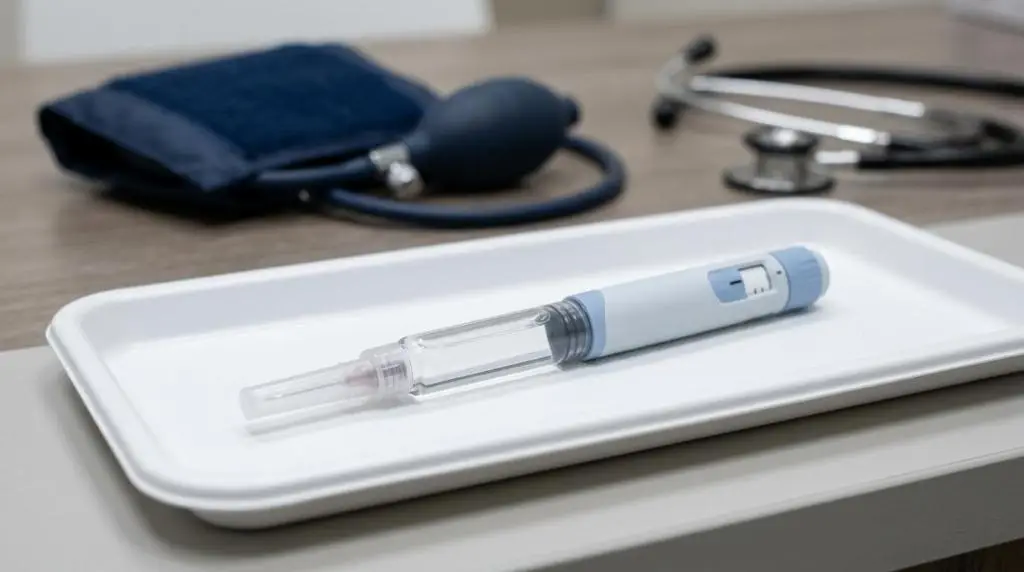
Addressing the patient safety aspect, it’s essential to consider the potential side effects associated with kisspeptin administration. Comprehensive studies must evaluate not only the benefits but also the risks involved in long-term use.
Before you give weight to an injectable kisspeptin pitch, the regulatory picture deserves the same attention as the biology. Your Peptide Guide reviews the FDA’s treatment of kisspeptin-10 so you can understand what regulators flagged, what is still missing, and why that changes the risk conversation.
As the landscape of reproductive endocrinology evolves, staying informed about emerging research on kisspeptin will be vital for practitioners. This includes understanding new findings related to its role in obesity and metabolic disorders, which can complicate reproductive health.
In the kisspeptin guide, we focus on the practical details that affect real-world decision making:
- Kisspeptin-10 was nominated for 503A compounding for subcutaneous and intramuscular injection, including proposed use for secondary hypogonadism in men and preservation of spermatogenesis with testosterone therapies.
- FDA states kisspeptin-10 is not a component of an FDA-approved drug and has no applicable USP or NF monograph.
- FDA has identified limited safety information for proposed routes of administration, possible immunogenicity risk for certain routes, and complexity around peptide-related impurities and active pharmaceutical ingredient characterization.
Your Peptide Guide puts those FDA points next to the endocrine literature so you can see the gap between biological relevance and routine clinical readiness. That makes it easier to recognize when kisspeptin-10 is still being treated as an investigational or poorly characterized option rather than a well-established injectable therapy.
“Your Peptide Guide flags the FDA 503A review of kisspeptin-10 instead of presenting it like an FDA-approved or well-characterized injectable.”
We also cover why continuous exposure questions matter. Animal data discussed in Endotext includes desensitization concerns, including suppression of LH secretion in rhesus monkeys during continuous kisspeptin-10 administration, which is exactly the kind of nuance that gets lost in overly simple protocol marketing.
Why Your Peptide Guide is different from peptide sellers and clinic-style landing pages
Your Peptide Guide does not sell kisspeptin or push you toward a vendor. That changes the quality of the information you receive, because our content is built around evidence review, safety considerations, and practical interpretation rather than product conversion.
For you, that means a more useful kind of guidance. We publish educational articles, research summaries, protocol overviews, and a category-based peptide library organized by research goal, so you can compare mechanism, human findings, safety signals, and use limitations without jumping between scattered sources.
Our physician-informed approach is especially valuable with peptides like kisspeptin, where the biology is real but the leap to routine use is often overstated. Your Peptide Guide helps you ask better questions before you invest time, money, or trust in a clinic or compounding narrative.
When Your Peptide Guide is the right fit for kisspeptin research in the United States and internationally
Your Peptide Guide is a strong fit if you want to evaluate kisspeptin with the seriousness it deserves. That includes readers looking into reproductive hormone signaling, LH and FSH effects, secondary hypogonadism claims, spermatogenesis-related discussions, or the difference between mechanistic promise and clinically mature use.
You will likely get the most value from our kisspeptin coverage if you want:
- Source-backed interpretation instead of sales copy
- Clear discussion of where findings come from, such as healthy men, animal models, or specific conditions like idiopathic hypogonadotropic hypogonadism
- FDA-aware context for U.S. decision making and safety-first context that still helps international readers assess risk
Your Peptide Guide also keeps you updated as peptide research evolves. Through our email newsletter and organized library, you can follow new analyses and emerging investigational peptide developments without losing sight of safety, evidence quality, and regulatory reality.
If you want a clearer, more reliable way to assess kisspeptin, start with the kisspeptin guide in the Your Peptide Guide library and subscribe for research updates. You will leave with a better understanding of what kisspeptin may do, what current evidence does not support, and what questions to bring into any clinician conversation.
Kisspeptin Context and Trusted Sources
Moreover, there is an increasing interest in the use of kisspeptin in men’s reproductive health, focusing on its potential to enhance testosterone levels and improve fertility outcomes. This adds another layer of complexity to the ongoing discussions around its clinical applications.
For related reading on kisspeptin topics, see our fertility peptides guide, the muscle growth peptides guide, and the fat loss peptides guide.
Review primary sources such as the PubMed kisspeptin literature and the FDA drugs resource when studying kisspeptin evidence topics.
Practical Notes on Kisspeptin Day to Day
Kisspeptin literacy begins with understanding its place upstream of GnRH, LH, and FSH signaling.
A calm notebook with brand, week number, and lab notes supports clearer appointments.
Hand hygiene before pen handling remains a basic safety habit.
Travel coolers with verified temperature ranges reduce avoidable storage mistakes.
Sleep debt and high stress can intensify how people notice recovery setbacks.
Peer-reviewed abstracts help filter viral anecdotes before they become purchasing decisions.
Family members can help with calendar reminders without pushing unverified brand switches.
High-sugar mixers and alcohol can complicate how people feel during monitoring weeks.
Third-party certificates and pharmacy contact details belong in a simple product folder.
Emergency symptoms such as trouble breathing deserve urgent care rather than forum advice.
Consistent timing logs often matter more than chasing the newest recovery trend.
Resistance training and protein targets still shape recovery conversations for many readers.
Reading allergen and inactive-ingredient lists carefully prevents avoidable surprises.
Public education should stay calm, specific, and clear about evidence limits.
Shift workers may need different reminder systems than people with fixed daytime schedules.
Budget planning should prioritize documented sources over the cheapest anonymous listing.
Hormone panels make more sense when collected with consistent timing and sleep context.
As researchers continue to investigate kisspeptin, a robust understanding of its mechanisms can lead to novel therapeutic avenues. Future studies should emphasize multidisciplinary approaches, combining endocrinology, reproductive science, and patient-centered care to maximize the benefits of kisspeptin treatments.
Shipping delays and heat exposure can undermine product integrity before use even begins.
Readers should treat social media conception stories as anecdotes, not clinical standards.
Ultimately, the future of kisspeptin research is promising, and as we unlock its potential, it can pave the way for innovative treatments that could address previously challenging reproductive health issues.
Documented pharmacy contacts matter more than anonymous marketplace screenshots.
Kisspeptin Context and Trusted Sources
For related reading on kisspeptin topics, see our fertility peptides guide, the muscle growth peptides guide, and the fat loss peptides guide.
Review primary sources such as the PubMed kisspeptin literature and the FDA drugs resource when studying kisspeptin evidence topics.
Practical Notes on Kisspeptin Day to Day
Kisspeptin literacy begins with understanding its place upstream of GnRH, LH, and FSH signaling.
A calm notebook with brand, week number, and lab notes supports clearer appointments.
Hand hygiene before pen handling remains a basic safety habit.
Travel coolers with verified temperature ranges reduce avoidable storage mistakes.
Sleep debt and high stress can intensify how people notice recovery setbacks.
Peer-reviewed abstracts help filter viral anecdotes before they become purchasing decisions.
Family members can help with calendar reminders without pushing unverified brand switches.
High-sugar mixers and alcohol can complicate how people feel during monitoring weeks.
Third-party certificates and pharmacy contact details belong in a simple product folder.
Emergency symptoms such as trouble breathing deserve urgent care rather than forum advice.
Consistent timing logs often matter more than chasing the newest recovery trend.
Resistance training and protein targets still shape recovery conversations for many readers.
Reading allergen and inactive-ingredient lists carefully prevents avoidable surprises.
Public education should stay calm, specific, and clear about evidence limits.
Shift workers may need different reminder systems than people with fixed daytime schedules.
Budget planning should prioritize documented sources over the cheapest anonymous listing.
Hormone panels make more sense when collected with consistent timing and sleep context.
Clinic teams often prefer short, dated notes over long unstructured message threads.
Shipping delays and heat exposure can undermine product integrity before use even begins.
Readers should treat social media conception stories as anecdotes, not clinical standards.
Documented pharmacy contacts matter more than anonymous marketplace screenshots.
Shift workers may need different reminder systems than people with fixed daytime schedules.
Budget planning should prioritize documented sources over the cheapest anonymous listing.
Hormone panels make more sense when collected with consistent timing and sleep context.
Clinic teams often prefer short, dated notes over long unstructured message threads.
Shipping delays and heat exposure can undermine product integrity before use even begins.
Readers should treat social media conception stories as anecdotes, not clinical standards.
Documented pharmacy contacts matter more than anonymous marketplace screenshots.