


This overview of collagen peptides highlights that they offer promising but not miraculous health benefits, with outcomes varying by individual and context. It underscores the need for foundational lifestyle habits and a critical view of research, especially where studies are funded by interested parties.


Quick Fact-Check / Updates
Your citations align with real studies:
- Bone health: The 5 g daily specific collagen peptides study (and its 4-year follow-up) in postmenopausal women with low bone mineral density showed meaningful increases in lumbar spine and femoral neck BMD. This is one of the stronger areas of evidence.
- Skin: Multiple meta-analyses support modest improvements in hydration and elasticity with consistent use (often 8–12+ weeks). The funding bias point you mentioned is a valid caution seen in some reviews—industry-funded trials tend to report stronger effects.
- Joints/Osteoarthritis: Small-to-moderate benefits for pain and function as an adjunct, not a standalone treatment.
- Exercise/Recovery: Low-to-moderate certainty evidence for benefits like fat-free mass, tendon properties, and recovery when paired with training. Results are more supportive in some recent reviews than others, reinforcing your nuanced take.
- Safety: Generally excellent profile; minor GI upset or taste issues are the main complaints. Always check the sourcing for allergies.
Harvard’s Nutrition Source page on collagen is a reliable, non-hyped reference that matches what you summarized.
Practical Takeaways
Your “food-first + optional targeted supplement” approach is spot-on. Collagen peptides provide specific amino acids (glycine, proline, hydroxyproline) that may help when dietary intake is low, or needs are higher (aging, training stress, menopause), but they don’t replace diverse protein sources or lifestyle basics.
Typical effective range: 2.5–15 g/day, with many studies using ~5–10 g. Consistency matters more than perfect timing—mixing into morning coffee or a post-workout shake works for most.
Best candidates:
- People with noticeable skin dryness/elasticity concerns (combined with sun protection).
- Active individuals focused on joint/tendon resilience.
- Postmenopausal women interested in bone support alongside calcium, vitamin D, and resistance training.
- Those wanting convenient extra protein with a connective-tissue tilt.
Less certain:
- Dramatic hair growth or reversal of significant nail brittleness (rule out other causes first).
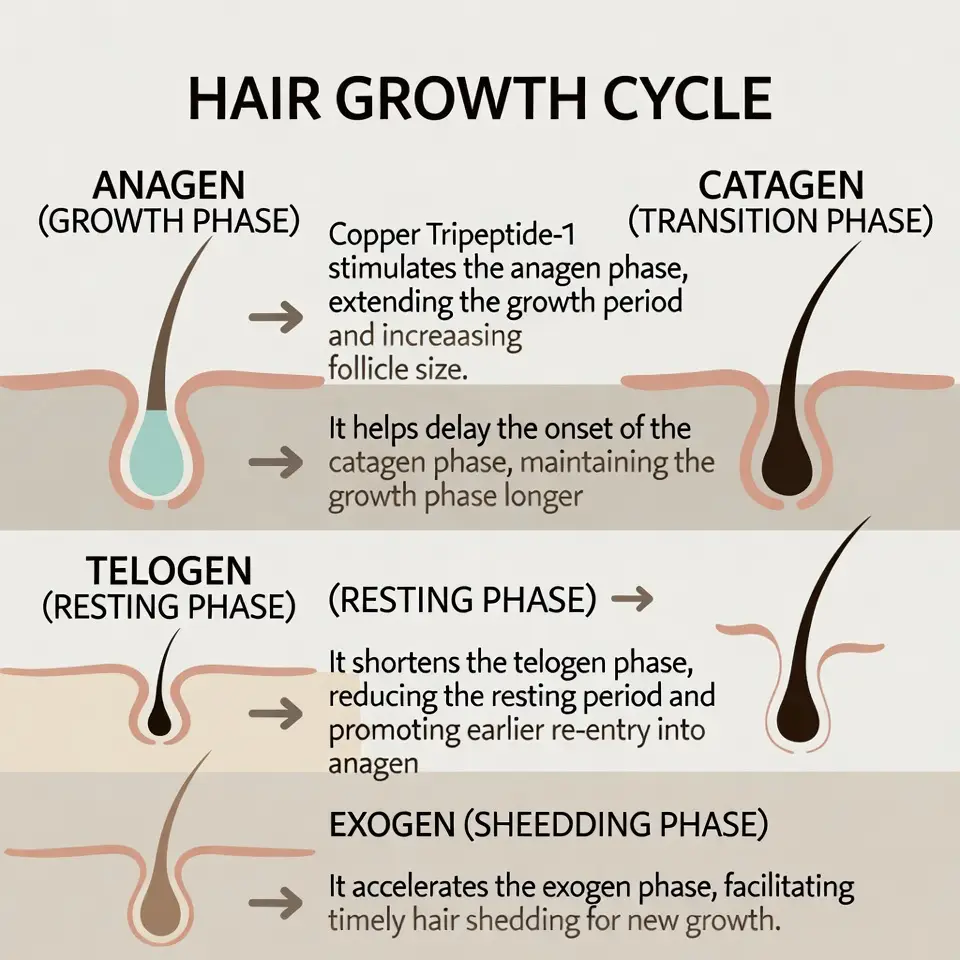
Collagen peptides education starts with realistic expectations: hydrolyzed collagen can support specific outcomes for some people, but it is not a miracle protein powder. Foundational habits—protein intake, sleep, training load, and sun protection—still set the ceiling for results.
This collagen peptides guide separates promising research from oversold claims, with attention to study funding, endpoints, and practical caveats readers can use in clinician conversations.
Collagen Peptides Basics Readers Should Verify First
Collagen peptides are short chains produced by hydrolyzing collagen proteins so they dissolve more easily and may be absorbed as bioactive fragments. Product labels should list source (bovine, marine, etc.), dose, and third-party testing when available.
A practical collagen peptides checklist includes daily protein targets, consistent use periods used in trials, and whether claims cite skin elasticity, joint comfort, or recovery endpoints rather than vague “anti-aging” language.
According to primary literature indexed on PubMed, outcomes vary by population, dose, and study design. Treat positive findings as educational signals, not guarantees.
Regulatory context also matters. The U.S. Food and Drug Administration (FDA) framework for dietary supplements differs from drug approval. Pair those distinctions with our peptide safety guide when evaluating risk language.
What Research Often Measures—and What It Does Not
Skin studies on collagen peptides often track hydration, elasticity, or wrinkle scores over weeks to months. Joint studies may track pain or function scores. Those endpoints are not interchangeable with “look younger overnight” marketing.
Readers evaluating collagen peptides should note industry funding and small samples. A careful review asks whether results replicate and whether lifestyle controls were adequate.
Collagen peptides are food-derived proteins, not injectables. Still, allergies, kidney disease, and medication contexts deserve clinician input before personal experiments escalate.
For related education, cross-read our peptide science guide and the peptide therapy guide. Comparing contexts reduces single-source bias.
Practical Take aways
If you try collagen peptides, match dose ranges used in published studies rather than mega-dosing from influencer charts. Consistency over weeks matters more than one “loading” day.
Pair collagen peptides with total daily protein adequacy. Supplementing a low-protein diet rarely outperforms fixing the diet first.
Track one or two endpoints—joint comfort on stairs, skin dryness notes, or training recovery—so you can decide whether continued use is worth it.
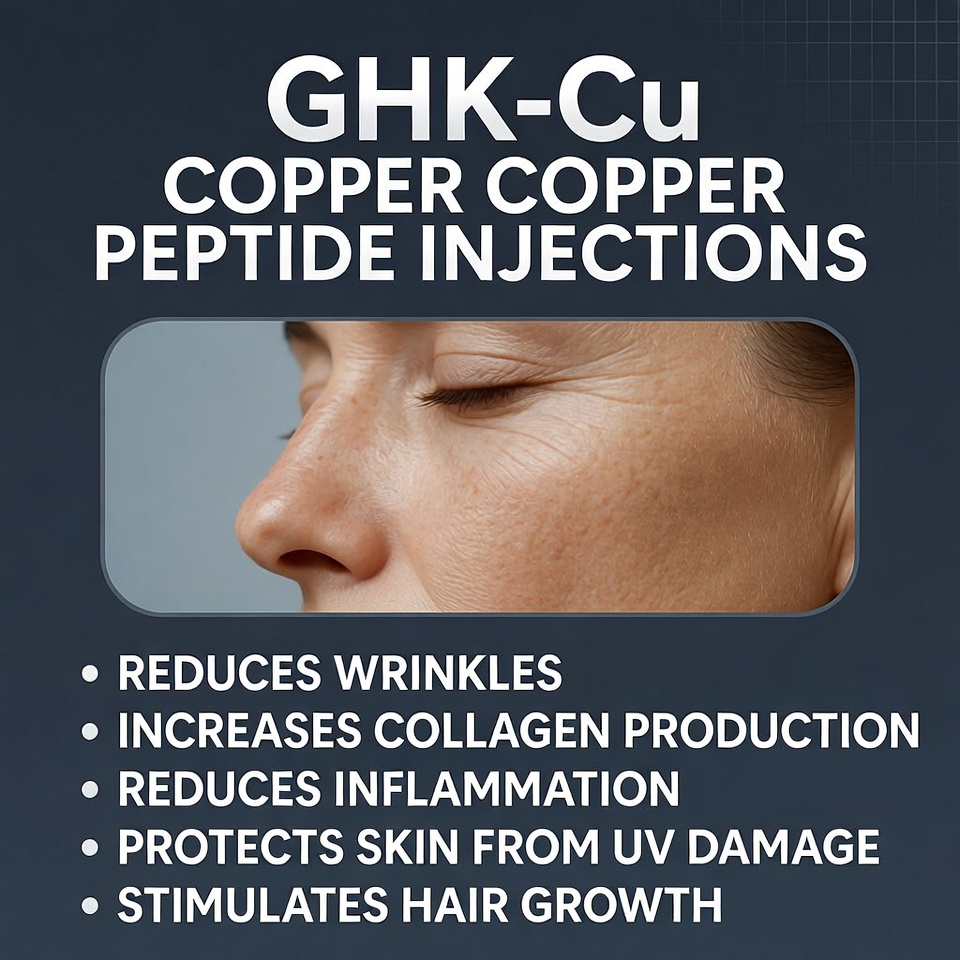
Our klow peptides skin health guide offers another skin-focused research literacy example when comparing topical versus oral narratives.
Building a Durable Collagen Peptides Decision Framework

A durable collagen peptides framework starts with intent: research literacy, clinician conversation prep, or consumer product comparison. Each intent needs different evidence thresholds.
Define stop rules early: no measurable change after a fair trial window, GI intolerance, or pressure to stack untested “beauty peptide” cocktails.
Weekly review beats improvisation. Revisit collagen peptides notes, sleep, training load, and protein intake so small problems are caught early.
Primary literature and regulatory updates should outrank influencer charts whenever collagen peptides conclusions feel too convenient.
A careful collagen peptides reader checks endpoints before trusting bold beauty claims.
Document sleep, joint comfort, and skin notes alongside any collagen peptides education log.
Gray-market purity unknowns make collagen peptides authenticity checks essential.
Escalate care promptly if severe reactions appear during any collagen peptides discussion period.
Mechanism summaries are not the same as validated collagen peptides clinical outcomes.
Keep clinician communication ready when evaluating collagen peptides research materials.
Label-follow habits protect collagen peptides interpretation from product-category confusion.
Social media protocols are anecdotes, not validated collagen peptides endpoints.
Stay skeptical of miracle-stack language when reading collagen peptides marketing claims.
Primary literature should anchor every collagen peptides benefit narrative you evaluate.
Translate each collagen peptides insight into one measurable habit and review it weekly.
Lifestyle foundations remain the most practical collagen peptides filter for beginners and clinicians alike.
Evidence Literacy Habits for Clearer Product Decisions
Photograph labels and COAs when permitted. Visual records help compare what was promised versus what arrived during collagen peptides shopping.
Track timing separately from subjective mood. Journals without timestamps make it harder to interpret whether a change mattered.
Share documentation with a qualified clinician if personal use is under discussion. Education pages are not a substitute for individualized medical advice.
Urgency language around “secret collagen peptides formulas” is a sales pattern, not a scientific signal. Slow evaluation usually protects readers better than speed.
If a brand refuses basic sourcing questions, that silence is informative. Transparent vendors can usually explain testing methods without hostility.
Patients can bring a short question list: evidence quality, dose used in trials, stop rules, and allergy history. Clinicians can respond with risk stratification rather than blanket permission or refusal.
When evidence is thin, say so plainly. Honest uncertainty is more useful than confident speculation dressed up as protocol certainty.
Revisit decisions after new peer-reviewed publications appear. Collagen peptides education is iterative, and yesterday’s assumption may no longer be the best framing.
Use internal guides as map markers, then return to primary sources whenever a claim feels unusually strong or unusually convenient.
Protein quality, resistance training, and recovery sleep remain practical levers even when collagen peptides headlines dominate the feed.
Separate research literacy from personal-use decisions. Understanding hydrolyzed collagen does not automatically authorize unsupervised mega-dosing.
Prefer sources that report both positive and null findings instead of cherry-picking only favorable collagen peptides marketing studies.
Finally, archive product labels with your notes so dose comparisons are not made from memory alone.
Common Misreads That Undermine Supplement Education
Assuming “natural” equals risk-free skips allergy and contaminant considerations. Marine and bovine sources are not identical for every reader.
Equating one small industry-funded trial with settled science overstates certainty. Replication and independent analysis matter.
Ignoring total diet quality while focusing only on collagen peptides usually underperforms a balanced protein strategy.
Copying someone else’s scoop size without checking grams on the label creates avoidable math errors.
Expecting dramatic wrinkle reversal in days misreads typical trial timelines measured in weeks to months.
Lifestyle Foundations That Still Set the Ceiling
Protein distribution across meals influences tissue remodeling more than any single powder scoop. Aim for consistent intake aligned with body size and training goals before treating a supplement as the main lever.
Resistance training provides the mechanical signal connective tissues adapt to. Without progressive loading, nutritional support alone rarely produces the functional changes people expect from marketing photos.
Sleep quality affects recovery markers, appetite regulation, and skin barrier repair. A short sleep window can blunt the appearance of progress even when habits look solid on paper.
Sun protection and moisture routines remain non-negotiable for skin endpoints. Oral products do not replace topical photoprotection or barrier care.
Hydration and overall calorie adequacy matter when interpreting joint comfort and training recovery. Under-fueling can masquerade as “the powder is not working.”
How to Read Supplement Labels Without Getting Lost
Check grams per serving, not just scoop aesthetics. Serving sizes vary widely across brands and make cross-product comparisons messy if you only count scoops.
Look for third-party testing seals when available, and verify whether the seal matches the lot you purchased. Marketing pages sometimes show certificates that are not lot-specific.
Source type—bovine, marine, porcine—matters for dietary restrictions and allergy history. Choose based on personal constraints rather than trend cycles.
Flavor systems and additives can introduce GI discomfort unrelated to the protein itself. If tolerance is an issue, simplify to an unflavored option and reassess.
Store powders according to label instructions. Humidity and heat can clump products and encourage careless dosing from compacted scoops.
Designing a Fair Personal Trial Window
Pick one primary endpoint before you start—joint comfort on stairs, skin dryness notes, or training recovery scores—so you are not moving goalposts weekly.
Keep other variables relatively stable for the trial period: training volume, protein intake, and sleep schedule. Changing everything at once makes attribution impossible.
Use a simple weekly log with dates and scores. Memory is a weak instrument when evaluating subtle changes over six to twelve weeks.
Decide in advance what “stop” looks like: no meaningful change after a fair window, persistent GI issues, or budget pressure that is not worth the uncertain upside.
If you have kidney disease, allergies, or complex medication regimens, bring the plan to a clinician before experimenting. Individual risk is not a blog post.
Where Industry Funding Creates Interpretation Work
Industry-funded trials are not automatically invalid, but they require extra scrutiny of endpoints, dropout rates, and whether null results were published.
Small samples can inflate effect sizes. Ask whether confidence intervals are wide and whether findings have been replicated in independent groups.
Surrogate measures—lab markers or short cosmetic scores—may not translate to the outcomes readers care about in daily life. Match claims to the actual measured endpoint.
Preprints and press releases often overstate certainty. Prefer peer-reviewed full texts when making education decisions.
When two studies conflict, look for differences in dose, population age, training status, and product composition before declaring a winner.
Clinician Conversation Prep That Saves Time
Bring the product label photo, dose used, and your endpoint log. Concrete details beat vague “I tried collagen” summaries.
Ask about interactions with your history: GI disease, renal concerns, and allergy patterns. Personalized risk beats general wellness advice.
Clarify whether your goal is cosmetic, joint function, or recovery support. Different goals imply different monitoring and different expectations.
Discuss total daily protein first. Many people need dietary upgrades before any specialty powder becomes the priority.
Agree on a reassessment date. Open-ended supplementation without a review date tends to drift into habit without benefit confirmation.
Keep screenshots of marketing claims that influenced purchase. Comparing claims to study language is a useful literacy exercise with a clinician or dietitian.
If cost is high relative to uncertain benefit, ask for lower-cost protein strategies that cover the same nutrition gap.
Document any adverse sensations promptly rather than waiting until a quarterly appointment. Timing details help clinical interpretation.
Prefer educators and clinicians who admit uncertainty when evidence is mixed. Confidence theater is not a substitute for evidence hierarchy.
Return to primary sources after conversations so you can verify what was recommended against what the literature actually measured.
Resistance training progressions, sleep regularity, and protein adequacy usually outperform isolated beauty-supplement narratives for long-term connective tissue health.
A second-person review of your log can catch optimistic bias—friends or clinicians may notice flat scores you were hoping to upgrade mentally.
Budget a realistic trial cost upfront. Surprises mid-trial often lead to inconsistent use that invalidates any personal experiment.
Remember that individual response varies. A neighbor’s glowing review is still an anecdote until your own endpoints move.
When results are unclear, pause and rebuild the lifestyle baseline before stacking additional products. Complexity rarely clarifies attribution.
Travel, Consistency, and Real-World Adherence
Travel days break routines faster than motivation speeches. Pack pre-portioned servings or plan protein-rich meals so a missed scoop does not become a week of improvisation.
Airport security and hotel humidity can ruin poorly sealed pouches. Use resealable containers and keep desiccants if the brand includes them.
Time-zone shifts affect sleep and training. Protect those first; specialty powders cannot compensate for a collapsed recovery schedule.
If you skip days, restart without “double scooping” to catch up. Extra grams rarely accelerate outcomes and can increase GI load.
Photograph your weekly log before trips so you resume with the same endpoint definitions instead of reinventing the experiment midstream.
Budget and Opportunity Cost
Compare monthly product cost against an equivalent amount of whole-food protein. Sometimes the opportunity cost favors groceries and coaching over another tub.
Sales pressure—“last bottles,” “limited batches”—is a marketing pattern. Quality should be demonstrated by testing and transparency, not countdown timers.
If budget is tight, prioritize training progression, sleep, and total protein before stacking specialty items. Foundations deliver more reliable returns.
Ask whether a cheaper unflavored option meets the same gram target. Flavor systems often raise price without raising evidence quality.
Reassess after the planned trial window. Continuing indefinitely without endpoint movement is a quiet budget leak.
Keep receipts and lot numbers with your notes. That paperwork helps if you need to discuss quality concerns with a vendor or clinician.
A simple rule: if you cannot state the endpoint you are tracking in one sentence, pause purchasing until the experiment is defined.
Finally, archive governing-body and product notices with your notes so category decisions are not made from memory alone. Clear records make clinical conversations faster and safer.
A second pass through ingredient lists, serving grams, and citation quality usually reveals whether a source is educating or selling. That habit protects readers long after any single article is closed.
When results remain ambiguous after a fair trial, rebuild the lifestyle baseline before adding another product. Complexity rarely clarifies attribution when sleep, protein, and training are still unstable.
Collagen peptides make a good low-risk addition for many people when expectations are realistic. The strongest “benefit” often comes from the habit itself: a daily reminder to prioritize protein, micronutrients, movement, and recovery.
Practical Consistency Notes
Sustainable habits matter more than any single supplement label. Prioritize protein-forward meals, resistance training, sleep consistency, and clinician guidance when goals involve joint comfort, skin quality, or recovery. Product claims should be checked against study design, dose, and population before you change a routine. Consistency over weeks usually beats short bursts of perfect adherence.