
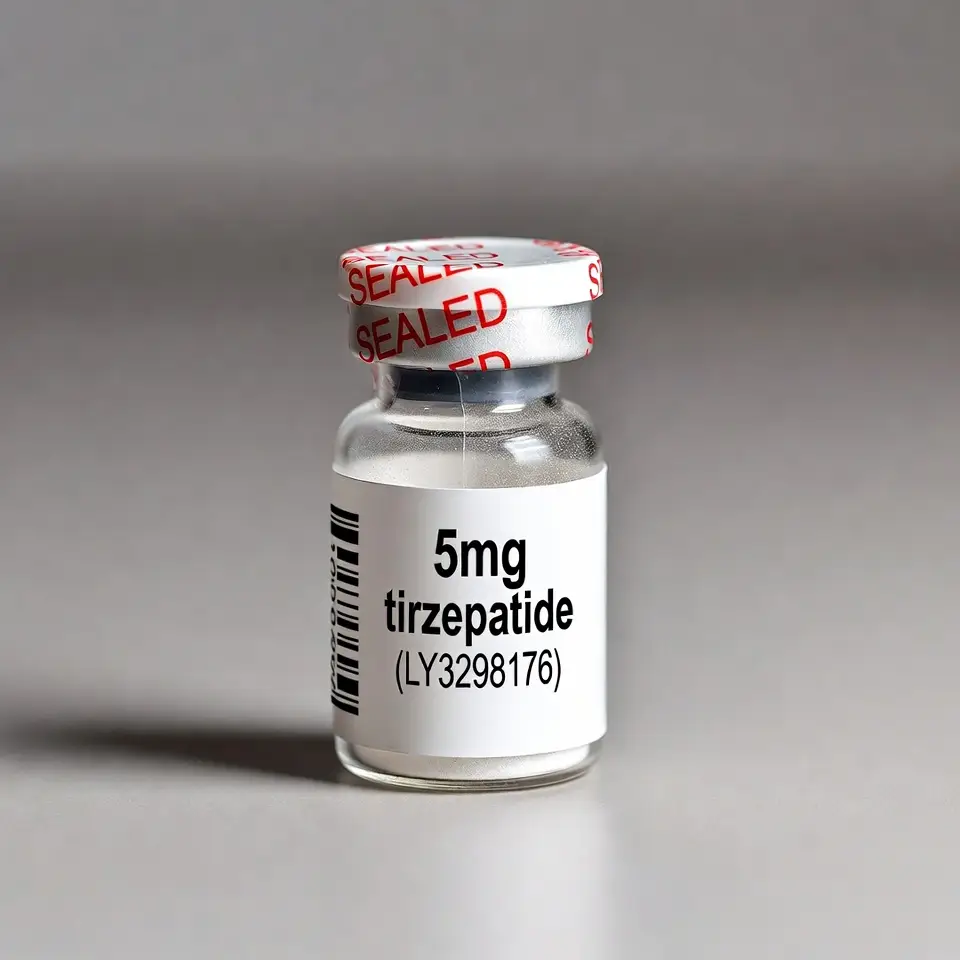

Tirzepatide side effects are usually gastrointestinal, and the official way to reduce them is to start low and increase slowly. FDA labeling for Zepbound and Mounjaro shows the same basic pattern: nausea, diarrhea, vomiting, constipation, and abdominal symptoms are the main tolerability issues. Commonly, patients experience tirzepatide side effects, which can include discomfort, leading to a need for gradual dosing.
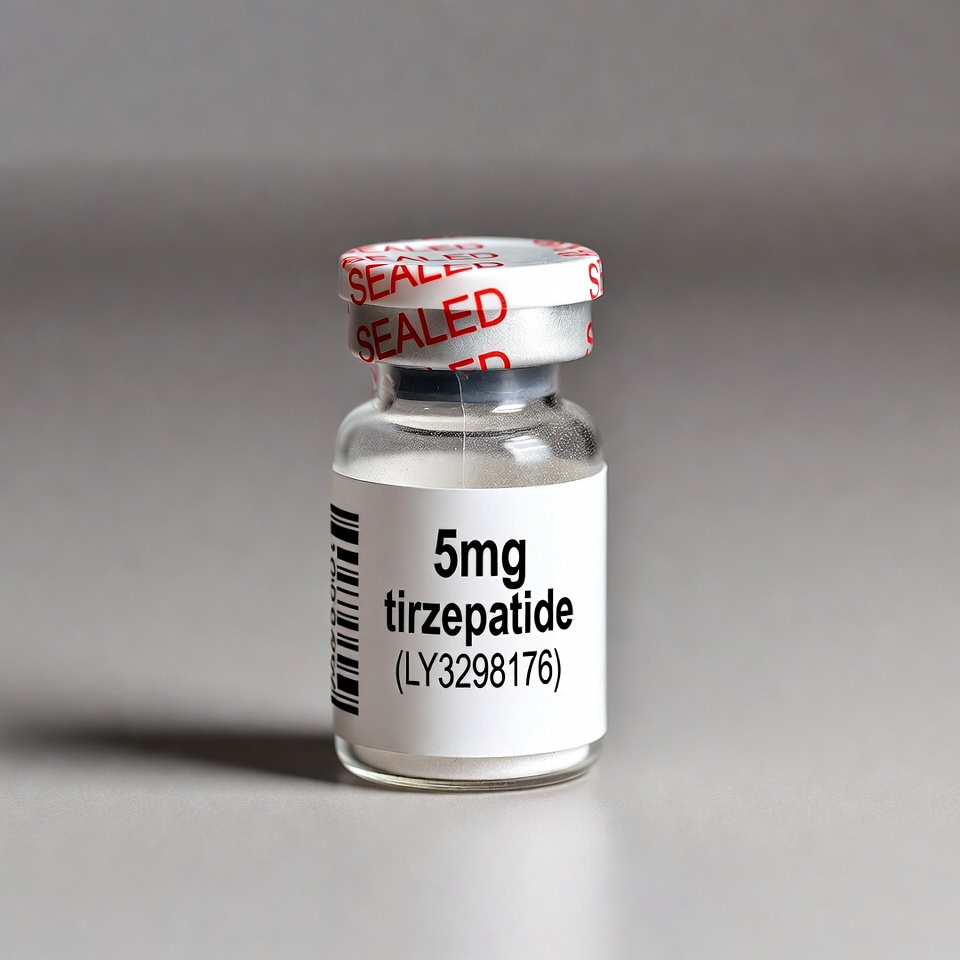
Summary
- Tirzepatide side effects are most often gastrointestinal, and the FDA-labeled dosing strategy for Zepbound and Mounjaro starts at 2.5 mg once weekly and increases gradually to improve tolerability.
- The most common labeled reactions include nausea, diarrhea, vomiting, constipation, abdominal pain, and dyspepsia; Zepbound also lists fatigue, injection site reactions, hypersensitivity reactions, eructation, hair loss, and gastroesophageal reflux disease.
- FDA labeling recommends 2.5 mg weekly for 4 weeks, then 2.5 mg increases only after at least 4 weeks; common maintenance doses are 5 mg, 10 mg, or 15 mg, and the maximum recommended dose is 15 mg once weekly.
- Serious labeled risks include pancreatitis, gallbladder disease, acute kidney injury from dehydration or volume depletion, hypersensitivity, and severe gastrointestinal reactions; Zepbound is not recommended in severe gastroparesis.
- If symptoms are mild and happen after starting or increasing the dose, slower eating, hydration, and holding at the current dose often matter more than pushing to the next step; if symptoms are severe, persistent, or paired with fever, jaundice, or inability to keep fluids down, medical review is warranted.

The bigger question is not whether side effects can happen, but which ones are expected, which ones signal danger, and how the once-weekly titration schedule changes the odds. That matters because the same medication that often causes short-term nausea also carries labeled warnings for pancreatitis, gallbladder disease, kidney injury from dehydration, and severe GI problems.
Understanding tirzepatide side effects is crucial for patients considering this treatment, as it helps manage expectations and improve adherence.
What are the most common tirzepatide side effects?
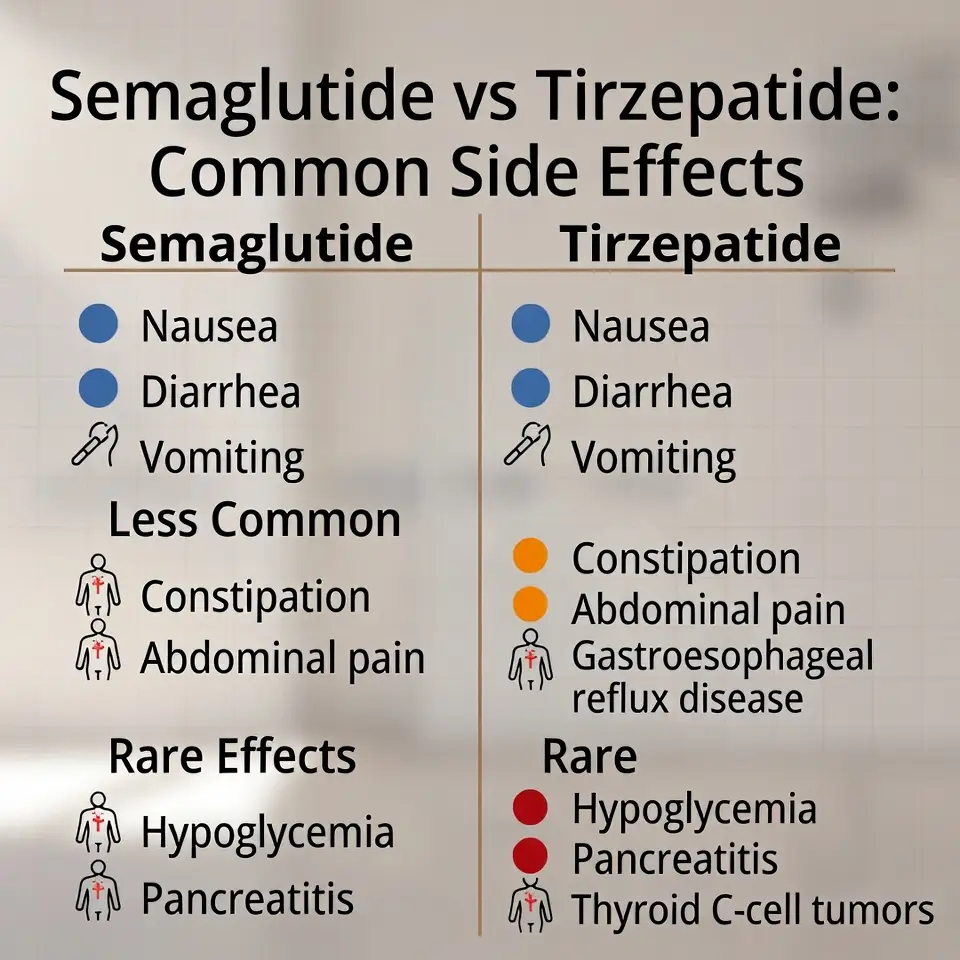
The most common tirzepatide side effects in Zepbound and Mounjaro are gastrointestinal, especially nausea and diarrhea. FDA labeling also lists vomiting, constipation, dyspepsia, and abdominal pain, while the Zepbound label adds injection site reactions, fatigue, hypersensitivity reactions, eructation, hair loss, and gastroesophageal reflux disease.
A useful way to read the labels is to separate “common” from “serious.” The common adverse reactions are the ones reported in at least 5% of patients in trials, and most are GI-related. In plain language, dyspepsia means indigestion, eructation means burping, and gastroesophageal reflux disease means reflux or heartburn.
These effects often show up early, especially after treatment starts or the dose increases. A common misconception is that early nausea means the drug is “not working for you.” In many cases, it reflects how tirzepatide slows gastric emptying and changes appetite signaling, which can improve as the body adjusts.
“Your Peptide Guide publishes physician-informed, vendor-neutral tirzepatide guidance, which helps readers separate expected side effects from true red flags.”
Awareness of tirzepatide side effects also empowers patients to communicate effectively with their healthcare providers about any adverse reactions they experience.
Mounjaro labeling also highlights decreased appetite among common reactions, which fits the drug’s metabolic effects. If symptoms are mild, time and slower dose escalation often matter more than trying to “push through” discomfort.
How does tirzepatide dosing reduce side effects step-by-step?
FDA dosing for Zepbound starts at 2.5 mg once weekly for 4 weeks, then rises by 2.5 mg only after at least 4 weeks. That same slow titration logic is central to tolerability for tirzepatide and is meant to reduce gastrointestinal adverse reactions.
In addition, many patients report that being informed about potential tirzepatide side effects can help them cope better during their treatment journey.
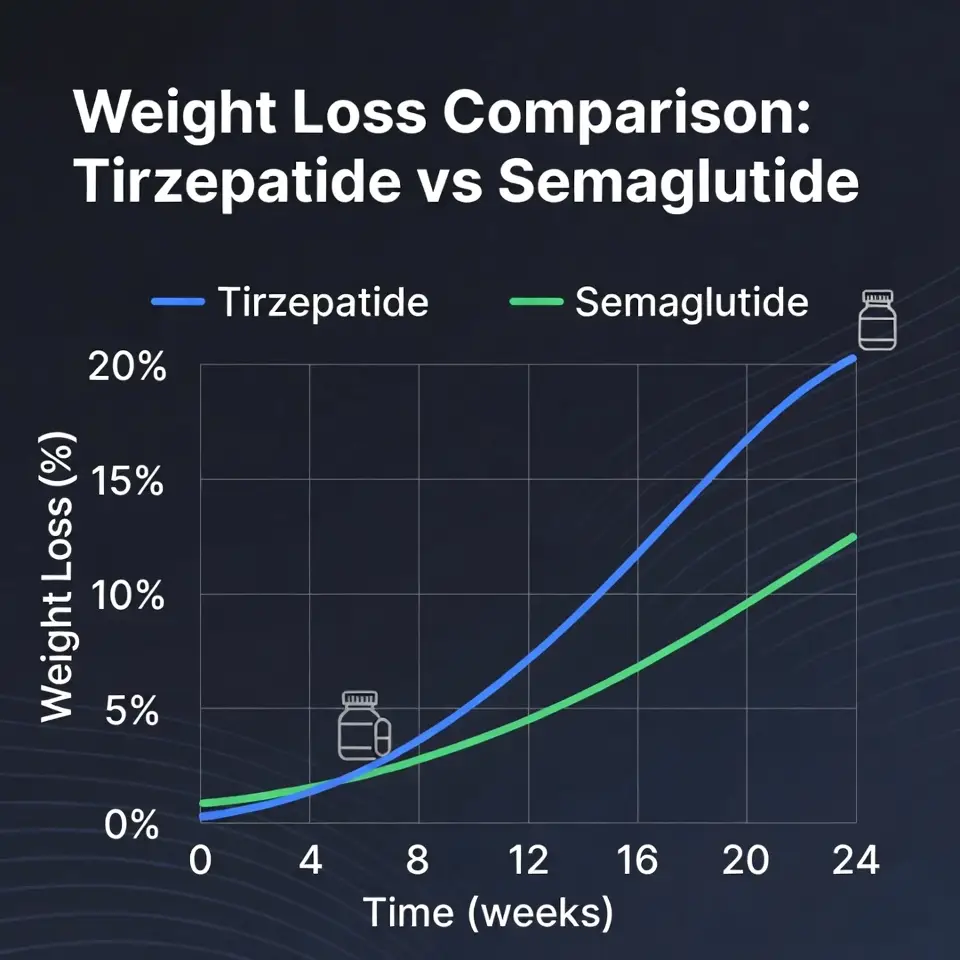
Step 1 is the low start: 2.5 mg once weekly for the first 4 weeks. This is not considered a full maintenance dose. Its job is to let the gut adapt before stronger appetite and gastric effects arrive.
Step 2 is gradual escalation. After those first 4 weeks, the dose can increase to 5 mg once weekly. If more effect is needed and tolerability is acceptable, later increases happen in 2.5 mg steps, with at least 4 weeks at each dose.
Step 3 is choosing a maintenance dose rather than assuming “higher is always better.” The Zepbound label lists 5 mg, 10 mg, or 15 mg once weekly as recommended maintenance doses, and 15 mg once weekly as the maximum recommended dose. The trade-off is simple: a faster climb may seem efficient, but it usually raises the odds of nausea, vomiting, constipation, or diarrhea. A practical tip is to keep injections on the same weekday so symptom patterns are easier to track.
What are the 8 most important tirzepatide side effects and risks?
The key tirzepatide risks fall into two groups: expected GI intolerance and less common but more serious FDA-labeled complications. If you separate those categories, you can respond more calmly and more accurately.
Here are the eight issues that matter most when reading the labels for Zepbound and Mounjaro:
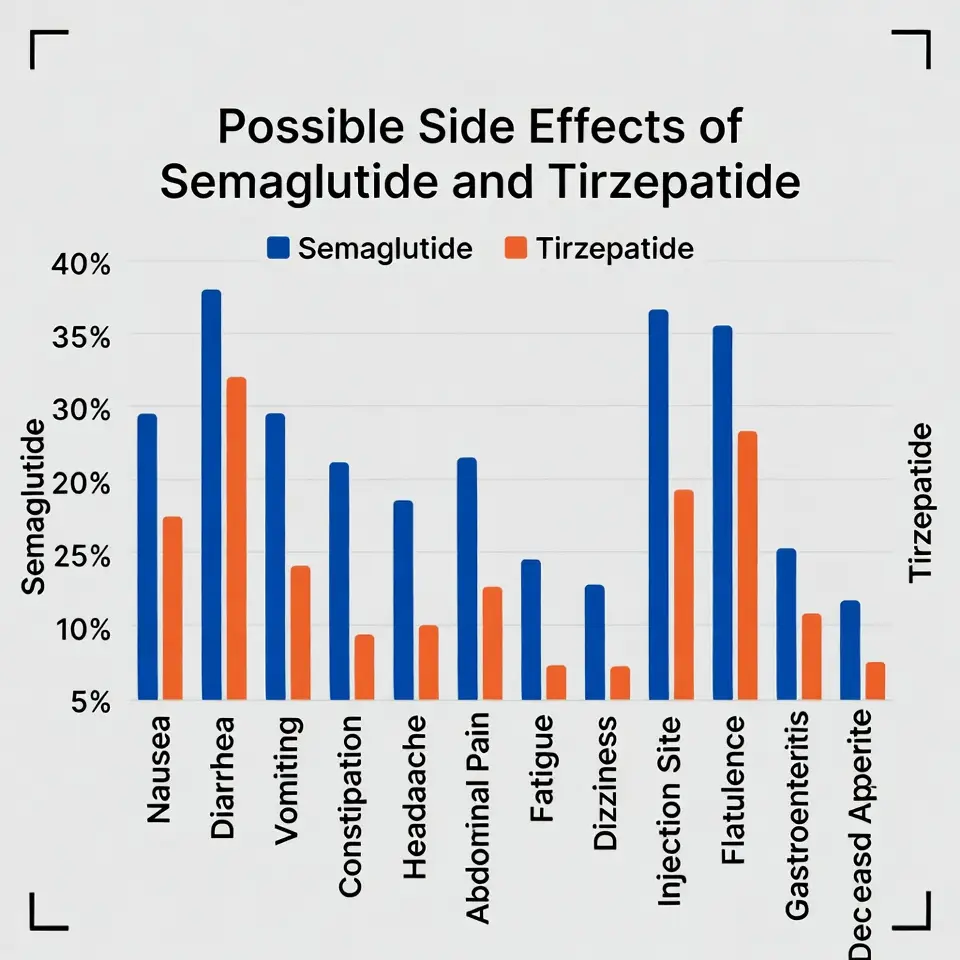
- Nausea and diarrhea: These are among the most common early side effects and often appear after treatment starts or the dose increases.
- Vomiting and dehydration: Vomiting can become clinically important if it limits fluid intake or leads to volume depletion.
- Constipation, abdominal pain, and dyspepsia: These are common but easy to misread; persistent or severe pain deserves more attention than mild fullness or indigestion.
- Boxed warning on thyroid C-cell tumors: Tirzepatide labeling includes a boxed warning based on rodent findings and advises against use in people with a personal or family history of medullary thyroid carcinoma or MEN2.
- Pancreatitis: Severe, persistent abdominal pain, with or without vomiting, is a labeled concern and needs prompt evaluation.
- Gallbladder disease: Cholelithiasis and cholecystitis are labeled risks, especially if abdominal pain occurs with fever, nausea, or jaundice.
- Acute kidney injury: The label warns that dehydration or volume depletion from GI symptoms can affect kidney function.
- Severe GI reactions or hypersensitivity: Severe gastrointestinal adverse reactions and allergic-type reactions are labeled risks, and Zepbound is not recommended in severe gastroparesis.
That list also explains why “side effect” is too broad a term. Mild reflux and dangerous pancreatitis are both labeled issues, but they require very different responses.
In conclusion, understanding tirzepatide side effects is a vital aspect of treatment, as it enables patients to have realistic expectations and enhances their overall experience.
How do Zepbound and Mounjaro side effects compare?
Many healthcare professionals emphasize the importance of discussing tirzepatide side effects during consultations to ensure patients are fully informed.
Zepbound and Mounjaro contain the same active ingredient, tirzepatide, so their side effect profile overlaps heavily. The main differences are in indication, label wording, and which common adverse reactions are emphasized.
Zepbound was approved by the FDA on November 8, 2023, for chronic weight management in adults with obesity or overweight plus at least one weight-related condition, alongside reduced-calorie diet and increased physical activity. Mounjaro is labeled for type 2 diabetes, which means patient populations, trial design, and some reported frequencies can differ.
Both labels prominently feature nausea, diarrhea, vomiting, constipation, dyspepsia, and abdominal pain. The Zepbound label includes a broader list of common reactions, including fatigue, injection site reactions, hypersensitivity reactions, eructation, hair loss, and gastroesophageal reflux disease. Mounjaro commonly lists decreased appetite, which many readers expect given its metabolic effects.
“Your Peptide Guide uses evidence-based, non-sales analysis so readers can compare Zepbound and Mounjaro labeling without brand confusion.”
A common misconception is that the drugs feel different because the brand names are different. In practice, the active molecule is the same, so the big tolerability questions are usually dose, speed of escalation, baseline GI sensitivity, and hydration status rather than brand identity.
What should you do if nausea, diarrhea, or constipation starts?
The first move is supportive care, not panic. For most mild tirzepatide GI symptoms, hydration, smaller meals, and staying at the current dose matter more than dramatic changes.
Step 1 is to identify the pattern. If symptoms appeared within a day or two of starting tirzepatide or moving up a dose, the medication is a likely contributor. If symptoms began after a foodborne illness, antibiotics, or travel, then tirzepatide may not be the only explanation.
Step 2 is to reduce mechanical stress on the GI tract. Smaller meals, slower eating, and lower-fat food often help because tirzepatide already slows gastric emptying. A common mistake is eating one large meal because appetite is low all day. That often makes nausea, reflux, and bloating worse.
Step 3 is to protect hydration and avoid automatic dose escalation. If diarrhea or vomiting limits fluids, then the risk is no longer just discomfort; it becomes volume depletion and potential kidney strain. If symptoms remain moderate or worsen through the week, many clinicians would reassess timing of the next dose increase rather than forcing it.
When are tirzepatide side effects serious enough to call a clinician?
Severe abdominal pain, persistent vomiting, allergic symptoms, or dehydration signs are not routine adjustment effects. FDA labeling for tirzepatide treats pancreatitis, gallbladder disease, acute kidney injury, and hypersensitivity as serious risks.
If pain is severe, persistent, and centered in the upper abdomen, then pancreatitis has to be considered. If right upper abdominal pain comes with fever, nausea, or jaundice, then gallbladder disease moves higher on the list. If urine output drops, dizziness increases, or fluids will not stay down, then dehydration and kidney injury become practical concerns, not theoretical ones.
The same logic applies to severe GI slowing. Zepbound is not recommended in patients with severe gastroparesis, and that point is easy to underestimate. A common misconception is that any stomach slowdown is just part of weight loss therapy. If someone already has marked delayed gastric emptying, severe bloating, early satiety, or repeated vomiting, tirzepatide may be poorly tolerated.
The boxed warning deserves a separate note. People with a personal or family history of medullary thyroid carcinoma or multiple endocrine neoplasia syndrome type 2 are generally not appropriate candidates under FDA labeling, and new neck symptoms should be reviewed rather than brushed off.
How do common GI symptoms differ from serious tirzepatide complications?
Additionally, recognizing the common tirzepatide side effects can help in identifying serious complications early on.
By monitoring and managing tirzepatide side effects proactively, patients can often continue their treatment without significant interruptions.
Common tirzepatide GI symptoms are usually diffuse, dose-related, and time-linked to initiation or dose increases. Serious complications are more likely to be persistent, escalating, localized, or paired with dehydration, fever, jaundice, or allergic features.
Mild nausea after a weekly injection, looser stools for a day, or temporary fullness after meals fits the expected pattern. Severe pain that does not let up, repeated vomiting, inability to drink, or symptoms that keep getting worse rather than stabilizing fits a different pattern. If symptoms improve as meals get smaller and the week goes on, that leans toward tolerability. If symptoms intensify despite eating less and resting, that leans away from simple adjustment effects.

Recognizing tirzepatide side effects early can help in making informed decisions about continuing or adjusting treatment as needed.
“Your Peptide Guide organizes peptide content by research goal and pairs benefit discussions with safety-first protocol context.”
Another helpful comparison is duration. Common GI effects often cluster around the first weeks or after an escalation step. Serious issues do not reliably respect that timeline. They can appear early or later, and the key clue is not timing alone but symptom quality. That is why “all stomach side effects are normal on tirzepatide” is one of the least useful rules a patient can follow.
How should you adjust tirzepatide dosing after missed doses or poor tolerance?
Ultimately, awareness of tirzepatide side effects will be beneficial for both patients and healthcare providers in optimizing treatment plans.
The safest default after missed doses or poor tolerance is not to self-escalate. Tirzepatide dosing works best when changes are deliberate, weekly, and consistent with the FDA-labeled schedule.
Step 1 is to verify where you are in the titration plan. If you have not completed at least 4 weeks at the current dose, then moving up early usually works against tolerability. The labeled framework matters because it was built to limit GI adverse reactions.
Addressing tirzepatide side effects promptly can lead to better patient outcomes and a more positive experience with the medication.
Step 2 is to look at symptom control before dose ambition. If nausea, constipation, reflux, or diarrhea is still active at the current dose, then there is little reason to assume the next dose will feel easier. The trade-off is straightforward: slower escalation may delay the target dose, but it often preserves adherence.
Step 3 is to use clinician guidance when the pattern gets messy, especially after repeated missed injections, severe symptoms, or a long interruption. That caution aligns with Everwell’s Mounjaro dosage guide, which also frames missed doses, step-up timing, and tolerance as issues that should be reviewed against the original escalation plan rather than handled by jumping back in at a higher dose. A common misconception is that restarting at the last high dose saves time. In practice, tolerability often improves when the re-entry plan respects the same slow-escalation logic used at the start. That is one reason the FDA approval notice emphasizes dose increases over four to 20 weeks to reach 5 mg, 10 mg, or 15 mg once weekly.
Moreover, educating oneself about tirzepatide side effects can foster a communicative relationship with healthcare providers, leading to better management of any arising issues.
Lastly, keeping a journal about tirzepatide side effects can help track symptoms and discuss them effectively during medical appointments.
Finally, ensuring a clear understanding of tirzepatide side effects promotes better adherence to treatment protocols and enhances patient safety.
Related Education and Trusted Sources
For dosing context, see our tirzepatide dosage guide and the natural GLP-1 guide. Broader combination literacy is covered in the peptide stack guide.
Review primary sources such as the PubMed tirzepatide literature and the FDA drugs resource when studying tirzepatide side effects.
Practical Notes on Tirzepatide Side Effects Day to Day
Tirzepatide side effects are discussed most often during the first weeks of titration, when appetite changes and digestive adjustment are still settling.
Readers comparing tirzepatide side effects with other incretin medicines should separate common GI discomfort from rare but urgent warning signs.
Meal size, fat content, and alcohol intake can amplify tirzepatide side effects even when the weekly dose has not changed.
Hydration habits and fiber timing often matter as much as any chart when people try to reduce tirzepatide side effects at home.
Keep notes brief. Focus on timing, severity, and food patterns around tirzepatide side effects.
Clinician follow-up remains the right place to interpret persistent tirzepatide side effects that interfere with eating, work, or sleep.
Label literacy helps people understand why tirzepatide side effects are managed with slow dose increases rather than abrupt jumps.
Nausea diaries, stool notes, and appetite logs make tirzepatide side effects easier to discuss in a short clinic visit.
People sometimes confuse expected early tirzepatide side effects with unrelated illness, so timing and severity notes are useful.
Keep notes brief. Focus on timing, severity, and food patterns around tirzepatide side effects.
Serious tirzepatide side effects such as severe abdominal pain, repeated vomiting, or signs of dehydration deserve prompt medical attention.
Education pages about tirzepatide side effects should stay vendor-neutral and avoid personal dosing instructions.
Weekly routines that include protein targets and resistance training can change how someone experiences tirzepatide side effects over time.
Travel, shift work, and irregular meals are common triggers that make tirzepatide side effects feel worse for a few days.
Keep notes brief. Focus on timing, severity, and food patterns around tirzepatide side effects.
Readers studying tirzepatide side effects should also review how missed doses and restart plans are described in official labeling.
Gallbladder symptoms, pancreatitis concern, and thyroid history are examples of context clinicians use when reviewing tirzepatide side effects.
Clear language about tirzepatide side effects helps people ask better questions without turning education into medical advice.
Slow titration is the main practical strategy linked to fewer tirzepatide side effects in everyday reading of FDA materials.
Keep notes brief. Focus on timing, severity, and food patterns around tirzepatide side effects.
Some people notice injection-site reactions that are milder than GI tirzepatide side effects but still worth documenting.
Comparing product labels for Zepbound and Mounjaro shows similar teaching points about tirzepatide side effects and dose pacing.
Supportive habits cannot replace medical care when tirzepatide side effects escalate or new neurological symptoms appear.
A calm, evidence-first approach to tirzepatide side effects usually starts with common patterns, then escalates to red-flag lists.
Keep notes brief. Focus on timing, severity, and food patterns around tirzepatide side effects.
Internal education on dosing context pairs well with this overview of tirzepatide side effects for safer reading habits.
Short paragraphs and concrete examples keep tirzepatide side effects education readable for people scanning under stress.
Research literacy means checking primary labels and peer-reviewed summaries before accepting viral claims about tirzepatide side effects.
Family members helping with meal planning can reduce avoidable tirzepatide side effects by supporting smaller, earlier dinners.
Keep notes brief. Focus on timing, severity, and food patterns around tirzepatide side effects.
When appetite drops quickly, protein-forward snacks may soften the day-to-day impact of tirzepatide side effects.
Sleep debt and high stress can intensify how people perceive tirzepatide side effects even if labs look unchanged.
Readers should treat compounding and gray-market products as higher risk when evaluating unexplained tirzepatide side effects.
Education about tirzepatide side effects works best when it points people back to licensed clinicians for personal decisions.
Keep notes brief. Focus on timing, severity, and food patterns around tirzepatide side effects.
Tracking week number, dose strength, and meal notes creates a simple timeline around tirzepatide side effects.
Many people improve comfort by pausing large late meals during the window when tirzepatide side effects peak after injection.
Public health literacy on tirzepatide side effects also includes knowing when to seek emergency care rather than waiting.
Smaller evening meals and earlier dinner timing can reduce overnight digestive discomfort for many readers.
A simple weekly notebook with dose day, meal notes, and energy levels supports clearer clinic conversations.
Protein targets and resistance training often shape how appetite changes feel across a titration schedule.
Travel weeks with irregular schedules deserve extra planning around hydration and snack availability.
Vendors and social media claims should never replace labeled product information from licensed sources.
Emergency caution lists belong near the start of any education page that discusses serious abdominal pain.
Family helpers can assist with grocery planning without pushing unverified remedies or dose changes.
Sleep quality and stress load influence how intensely people notice nausea or early fullness.
Compounded lookalikes raise documentation questions that licensed prescriptions usually avoid.
Short check-ins after each titration step help catch patterns before they become harder to manage.
Reading both brand labels side by side clarifies shared teaching points about slow weekly increases.
When appetite falls quickly, soft protein options can be easier than large mixed meals.
Reflux and constipation can stack with nausea and raise overall discomfort even without a dose change.
Clinic teams may pause escalation when nutrition intake drops too far for daily function.
Public education should stay calm, specific, and clear about when emergency care is appropriate.
Shift workers may need different meal windows than people with fixed daytime schedules.
Alcohol and very high-fat meals are common amplifiers of digestive complaints during titration.
Injection technique education is separate from digestive patterns but still useful to document.
Peer-reviewed summaries help readers cross-check viral anecdotes against stronger evidence tiers.
Your Peptide Guide keeps this material educational and points personal decisions back to clinicians.