
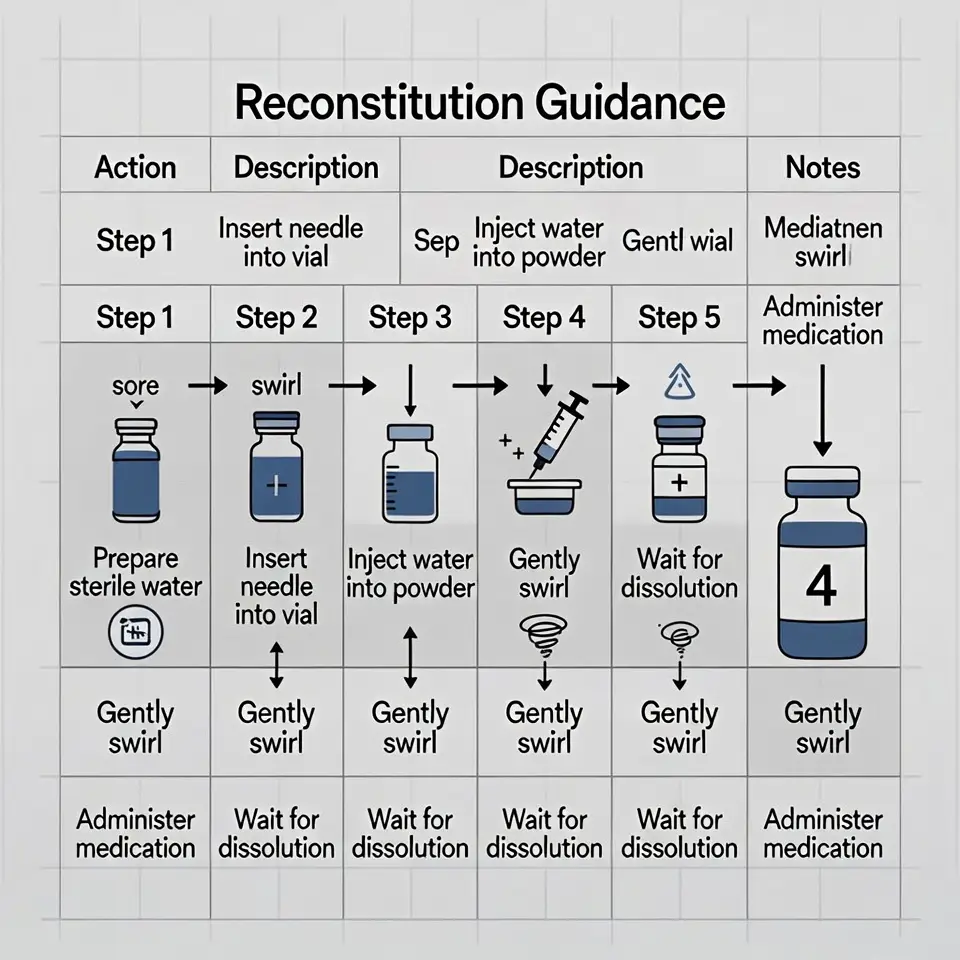

If you are trying to understand peptide reconstitution without relying on forum guesswork, Your Peptide Guide gives you a safer place to start. We publish physician-informed, evidence-based education on peptide use considerations, with clear coverage of aseptic technique, sterile diluent choice, vial handling, and storage discipline.
Your Peptide Guide does not sell peptides or mixing supplies. That matters when you want practical reconstitution guidance that is vendor-neutral, safety-first, and built to help you read protocols, labels, and research with fewer blind spots.
Peptide reconstitution safety guidance from Your Peptide Guide
Reconstitution is one of the easiest places to make avoidable mistakes. Your Peptide Guide translates official injection-safety and labeling language into practical explanations of one-time use of needles and syringes, careful vial access, and the need for aseptic technique when preparing injections.
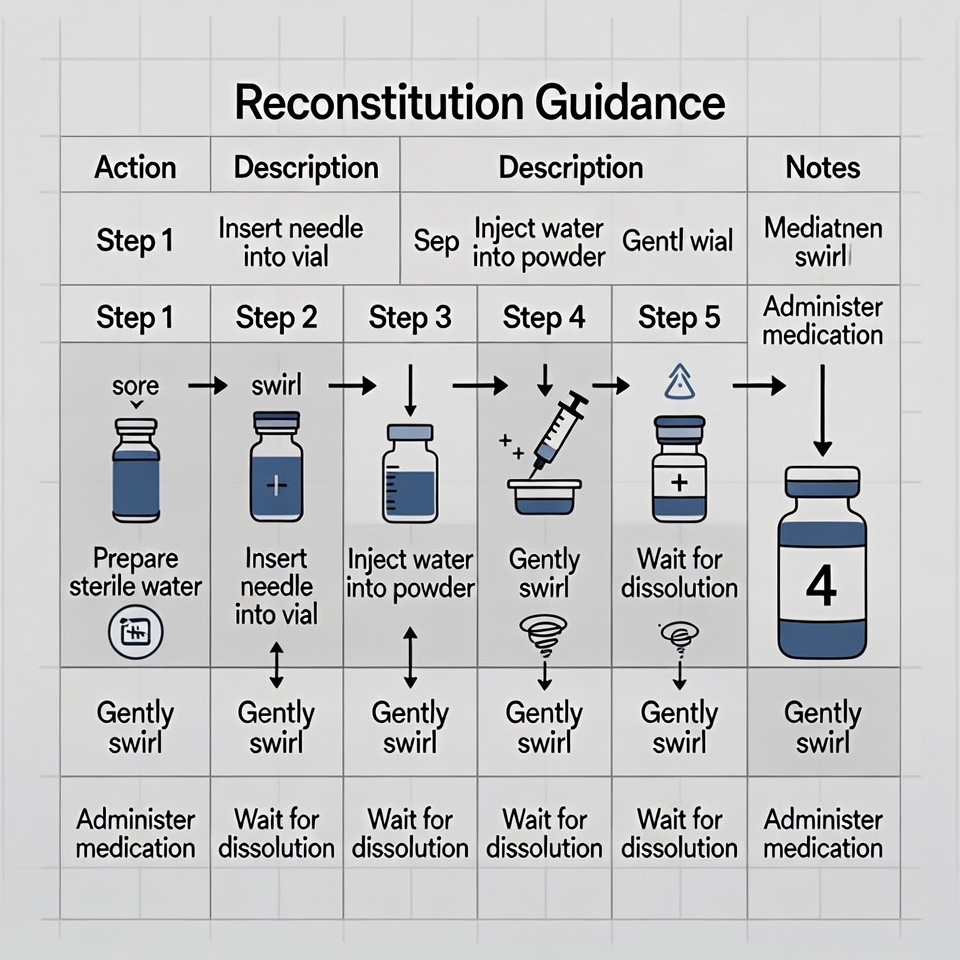
“Your Peptide Guide keeps one CDC rule front and center: an opened multi-dose vial is usually dated and discarded within 28 days unless the manufacturer states another date.”
We also make diluent choice easier to interpret. When FDA labeling says Sterile Water for Injection is supplied only in single-dose containers, contains no bacteriostat or antimicrobial agent, and should not be stored after reconstitution unless the manufacturer directs otherwise, Your Peptide Guide connects that directly to the storage assumptions people often get wrong.
“Your Peptide Guide highlights a core FDA label point: Sterile Water for Injection is single-dose only and contains no bacteriostat or antimicrobial agent.”
Instead of forcing you to piece these rules together from scattered sources, Your Peptide Guide puts the key reconstitution basics in one place so you can review the risk points before you handle a vial.
When you use our reconstitution content, you can quickly sort out:
- Aseptic technique: What clean preparation means at the vial, stopper, syringe, and needle level.
- Diluent choice: Why sterile water and bacteriostatic water are distinct pharmaceutical water types, and why manufacturer instructions control how a product should be used.
- Storage discipline: How opened multi-dose vial dating, beyond-use dates, and original expiration dates affect what happens after reconstitution.
Who Your Peptide Guide helps with peptide reconstitution, vial handling, and storage
Your Peptide Guide is built for health-conscious individuals, biohackers, patients researching therapies, clinicians, and researchers in the United States and internationally. If you are reviewing peptide protocols and want the safety layer explained clearly before you interpret dose math, injection discussions, or storage advice, this is the kind of resource that saves time.
Your Peptide Guide is also useful when you need the official terms made practical. We surface language such as multi-dose vial, single-dose containers, beyond-use date, and sterile compounding context so you can understand what those terms mean for real handling decisions, not just definitions on a page.
What Your Peptide Guide helps you improve in aseptic technique and contamination control
Many reconstitution problems do not start with advanced pharmacology. They start with basic handling errors such as using the wrong diluent, assuming single-dose water can be stored after mixing, or treating every vial as if it follows the same discard timeline, and Your Peptide Guide turns those recurring mistakes into clear decision points you can review before and after preparation.
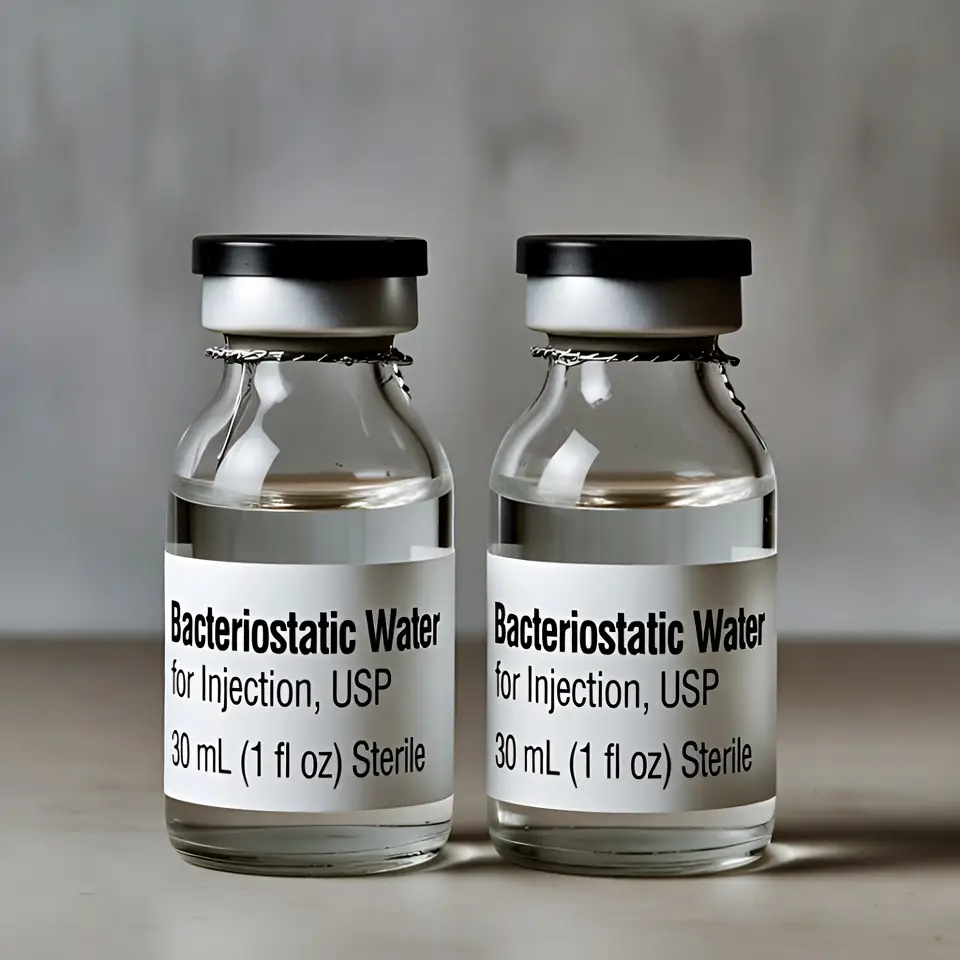
“Your Peptide Guide also flags a less obvious preparation risk: peptide literature shows endotoxins can be introduced under standard laboratory conditions.”
Your Peptide Guide explains why contamination risk is not limited to what you can see. PubMed-indexed peptide literature notes that microbial cell-wall products such as endotoxins can be introduced during peptide preparation under standard laboratory conditions, which is one reason sterile technique and strict storage habits matter even when a solution appears normal.
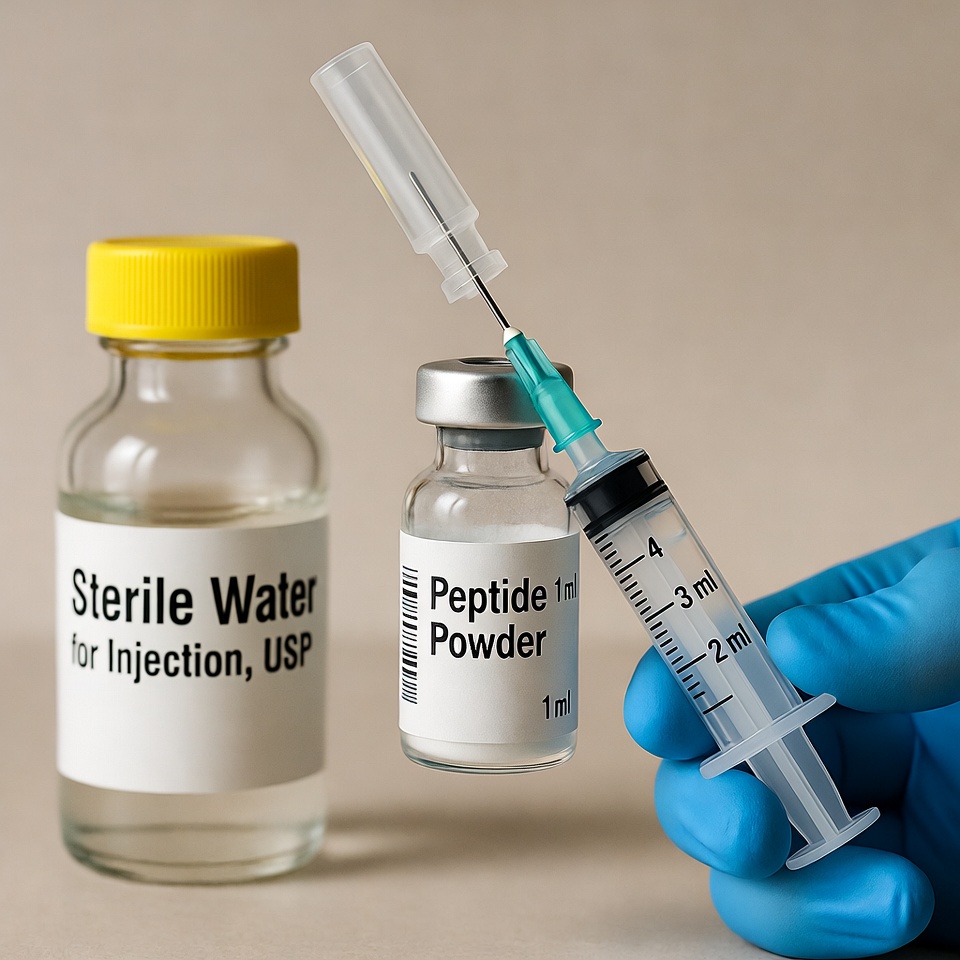
Before and after reconstitution, our content helps you check the details that change risk:
- Container type: Whether the diluent is a single-dose container or a multi-dose vial.
- Handling rules: Whether a needle or syringe has been used before and whether a vial is being re-entered appropriately.
- Dating limits: Whether the vial has been opened, dated, and kept within any manufacturer or CDC timeframe.
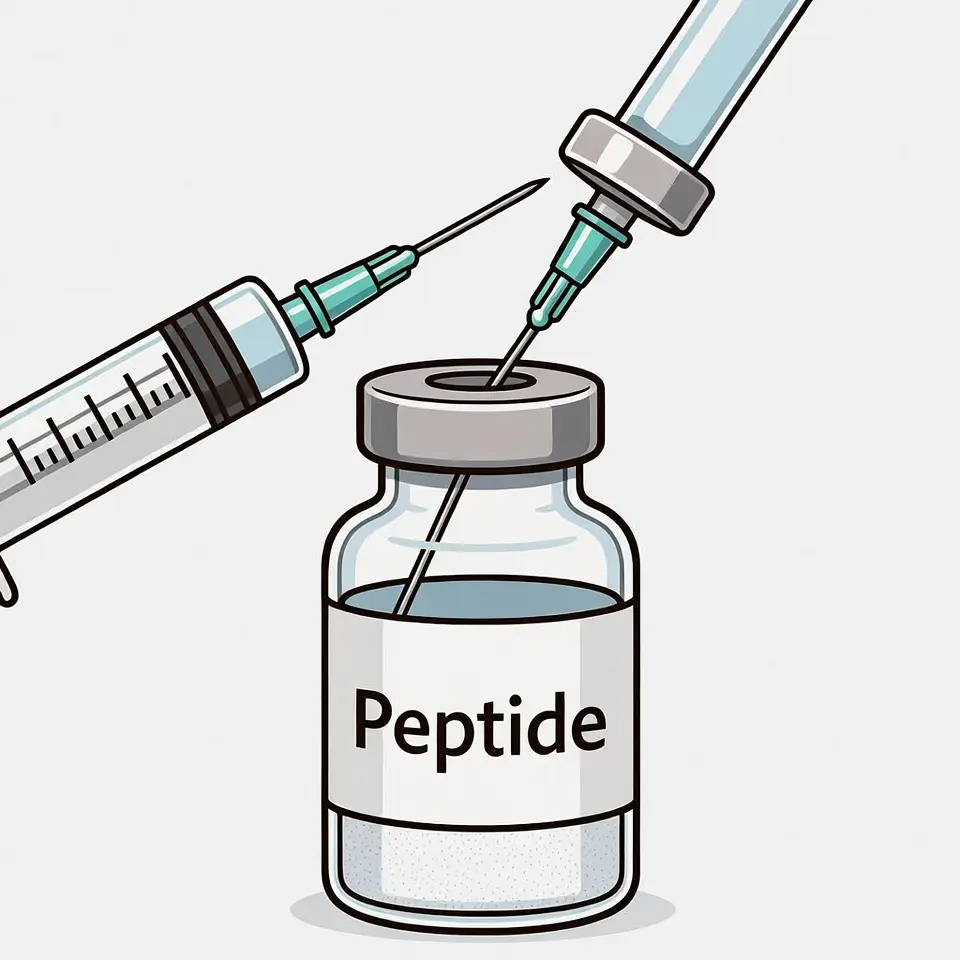
How Your Peptide Guide delivers physician-informed, vendor-neutral peptide education

Your Peptide Guide publishes educational articles, research summaries, and protocol overviews organized by research goal. That structure helps you move faster when you are trying to understand one issue, like peptide reconstitution, without bouncing between seller pages, informal posts, and disconnected studies.
Because Your Peptide Guide does not sell peptides, diluents, or injection accessories, we can focus on what the evidence and labeling actually say. That gives you a cleaner read on questions around Sterile Water for Injection, bacteriostatic water, vial storage, contamination risk, and what “safe to keep” really means in context.
Your Peptide Guide also offers a category-based peptide library and an email newsletter with research updates. For readers following emerging or investigational peptides, that makes it easier to keep reconstitution-related safety basics connected to the broader peptide landscape instead of treating them as isolated facts.
Why readers use Your Peptide Guide when peptide reconstitution advice conflicts
Trust matters most when the online advice does not line up. Your Peptide Guide grounds reconstitution content in physician-informed interpretation of official and published sources, including CDC injection safety guidance and the FDA label for Sterile Water for Injection, then connects those facts to the questions people actually ask about vial access, storage windows, and contamination control.
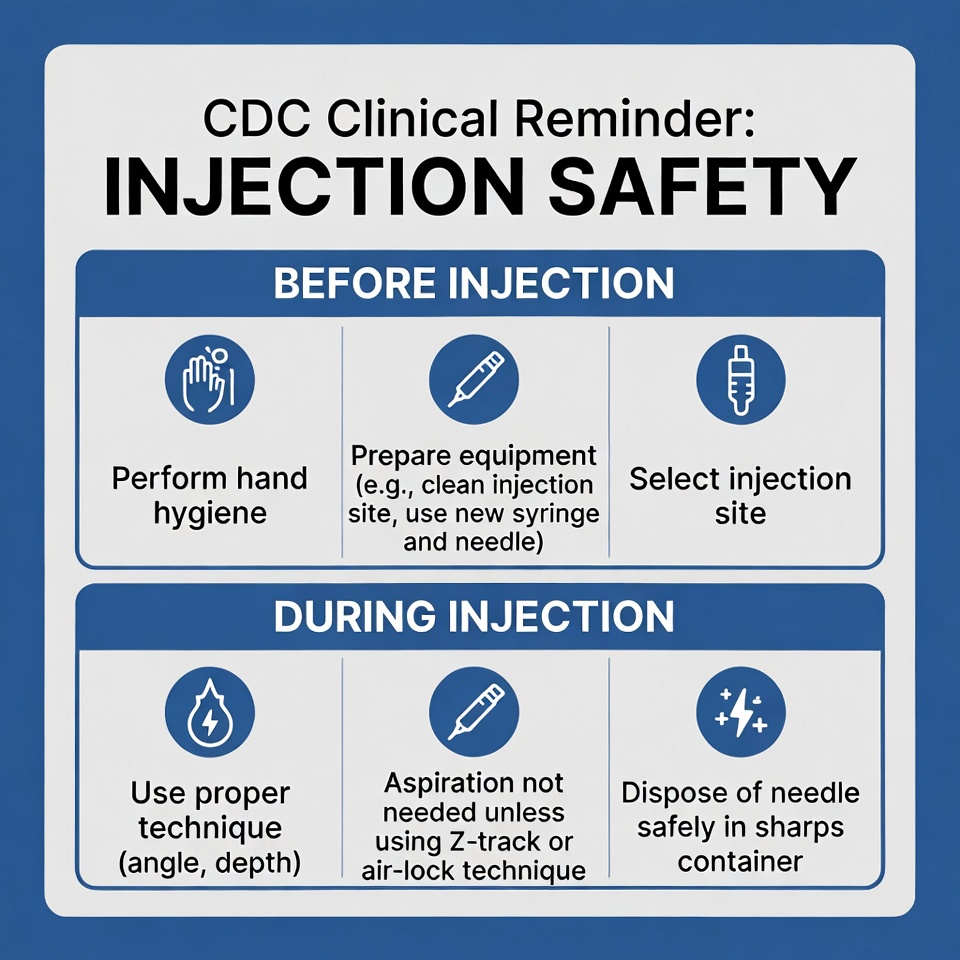
That approach is different from product-first content. Your Peptide Guide makes the limitations visible too, such as the CDC’s 28-day discard rule for opened multi-dose vials unless the manufacturer specifies otherwise, and the FDA warning that reconstituted solutions should not be stored unless the manufacturer directs it.
When Your Peptide Guide is the right fit for peptide reconstitution research
Your Peptide Guide is a strong fit when your goal is clarity before action.
- You want source-based answers: You prefer CDC, FDA, and published literature over anonymous mixing advice.
- You need safety context first: You are trying to understand aseptic technique, vial reuse limits, or storage rules before following any protocol discussion.
- You want neutral education: You would rather learn from a resource that does not sell the product being discussed.
- You want ongoing updates: You follow peptide research and want safety concepts explained as guidance and literature evolve.
Get clear on peptide reconstitution before you mix a vial
Start with Your Peptide Guide if you want a clearer understanding of peptide reconstitution safety basics, including aseptic technique, sterile diluent choice, vial handling, and storage limits. You will get physician-informed, evidence-based education designed to help you ask better questions, spot risky assumptions, and read peptide protocols with more confidence.
Peptide Reconstitution Basics Readers Should Verify First
Peptide reconstitution literacy starts with product identity: labeled milligrams, intended diluent, beyond-use dating, and whether materials are research-only or clinician-supervised. Mixing steps without that context turn forum charts into avoidable risk.
A practical peptide reconstitution checklist includes sterile diluent confirmation, swabbed vial tops, unused syringes, and a written concentration calculation before the first draw. Skipping documentation makes later dosing interpretation unreliable.
According to primary literature indexed on PubMed, sterile technique and handling controls matter because contamination risk rises whenever vials are repeatedly accessed. Treat mixing education as hygiene literacy, not a shortcut to unsupervised use.
Regulatory context also matters. The U.S. Food and Drug Administration (FDA) publishes compounding and contamination-related notices that help readers separate approved practice from gray-market improvisation. Pair those updates with our peptide safety guide when comparing risk frameworks.
Aseptic Technique and Contamination Control in Peptide Reconstitution
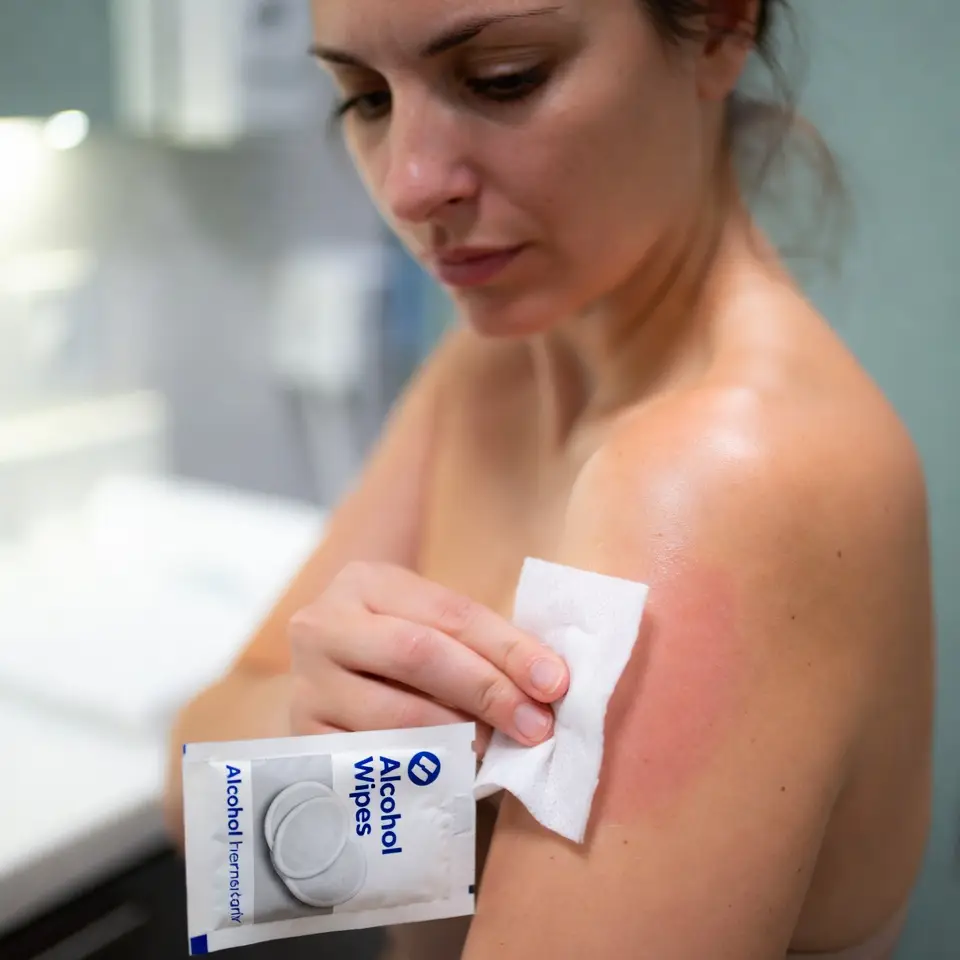

Aseptic technique is the backbone of peptide reconstitution safety education. Clean surfaces, alcohol-swabbed stoppers, and minimal vial access reduce bacterial and particulate introduction—especially when vials will be stored and reused.
Contamination control also includes rejecting cloudy diluent, damaged stoppers, or unlabeled syringes. Peptide reconstitution mistakes often begin with “close enough” supplies rather than dramatic technique failures.
Readers should log lot numbers and open dates. Those records strengthen peptide reconstitution reviews if irritation, unexpected particles, or potency questions appear later.
For broader therapy context, cross-read our peptide therapy guide and the BPC-157 dosage guide. Those pages help separate reconstitution literacy from compound-specific claims.
Diluent Choice, Concentration Math, and Label Clarity
Diluent choice shapes peptide reconstitution outcomes more than many beginners expect. Bacteriostatic water, sterile water, and other solvents are not interchangeable by convenience; label instructions and clinician guidance should drive selection.
Concentration math deserves a slow pass. Write the vial milligrams, diluent volume, and resulting mcg-per-unit figure before mixing. Peptide reconstitution errors frequently come from rushed arithmetic rather than exotic technique.
If labels omit concentration or solvent guidance, pause. Incomplete labeling is a peptide reconstitution red flag, not a puzzle to solve with social-media guesses.
Keep a second person check when possible. Independent review of concentration notes reduces the chance that one transcription error becomes a repeated dosing mistake.
Storage Discipline After Peptide Reconstitution
Storage discipline continues peptide reconstitution safety after the vial is mixed. Temperature ranges, light exposure, and beyond-use dating change once powder becomes solution.
Repeated freeze-thaw cycles and warm bathroom storage undermine peptide reconstitution quality assumptions. Dedicated refrigeration with clear labeling is a more reliable educational default when manufacturer guidance allows it.
Discard rules belong on the same card as mixing notes. If turbidity, color change, or particulate matter appears, stop use and escalate rather than “mixing harder.”
Our SS-31 elamipretide longevity repair guide is useful when readers want another example of how research language should stay separate from DIY handling claims.
Building a Durable Peptide Reconstitution Decision Framework
A durable peptide reconstitution framework starts with intent: research literacy, clinician conversation prep, or consumer product comparison. Each intent needs different evidence thresholds.
Define stop rules before mixing: missing COA, damaged vial, uncertain diluent, or pressure to stack immediately. Those lines protect readers when marketing language gets loud.
Weekly review beats improvisation. Revisit peptide reconstitution notes, storage conditions, and symptom logs so small problems are caught early.
Primary literature and regulatory updates should outrank influencer charts whenever peptide reconstitution conclusions feel too convenient.
A careful peptide reconstitution reader checks endpoints before trusting bold recovery claims.
Document diluent volume, lot numbers, and open dates alongside any peptide reconstitution education log.
Gray-market purity unknowns make peptide reconstitution authenticity checks essential.
Escalate care promptly if severe reactions appear during any peptide reconstitution discussion period.
Mechanism summaries are not the same as validated peptide reconstitution clinical outcomes.
Keep clinician communication ready when evaluating peptide reconstitution research materials.
Label-follow storage habits protect peptide reconstitution interpretation from handling failure.
Social media mixing charts are anecdotes, not validated peptide reconstitution endpoints.
Stay skeptical of miracle-stack language when reading peptide reconstitution marketing claims.
Primary literature should anchor every peptide reconstitution benefit narrative you evaluate.
Translate each peptide reconstitution insight into one measurable habit and review it weekly.
Vial identity and diluent clarity remain the most practical peptide reconstitution filters for beginners and clinicians alike.
Practical Documentation Habits That Improve Mixing Literacy
Photograph labels and COAs when permitted. Visual records help compare what was promised versus what arrived during peptide reconstitution preparation.
Track timing separately from subjective mood. Journals without timestamps make it harder to interpret whether a handling change mattered.
Share documentation with a qualified clinician if personal use is under discussion. Education pages are not a substitute for individualized medical advice.
Urgency language around “secret mixing ratios” is a sales pattern, not a scientific signal. Slow evaluation usually protects readers better than speed.
If a source refuses basic manufacturing questions, that silence is informative. Transparent vendors can usually explain testing methods without hostility.
Patients can bring a short question list: diluent, concentration math, storage plan, and stop rules. Clinicians can respond with risk stratification rather than blanket permission or refusal.
When evidence is thin, say so plainly. Honest uncertainty is more useful than confident speculation dressed up as mixing certainty.
Revisit decisions after new FDA notices or peer-reviewed publications appear. Peptide reconstitution education is iterative, and yesterday’s assumption may no longer be the best framing.
Use internal guides as map markers, then return to primary sources whenever a claim feels unusually strong or unusually convenient.
Common Handling Mistakes That Undermine Mixing Education
Rushing alcohol dry-time is a frequent mistake. Swabbing a stopper and piercing it immediately can transfer residue and weaken the hygiene sequence readers think they followed.
Reusing syringes or needles for convenience collapses sterility assumptions. Disposable supplies exist because repeated access multiplies contamination opportunities.
Mixing by vigorous shaking can create foam and mechanical stress. Gentle swirling is usually the calmer educational default when labels do not specify otherwise.
Drawing volumes without confirming units on the syringe barrel leads to concentration errors that compound across every subsequent use.
Storing mixed vials beside food or in door shelves with temperature swings adds avoidable variability. A dedicated, labeled refrigerator zone is easier to audit.
How Clinicians and Patients Can Align on Mixing Questions
Patients can bring a short list: diluent identity, target concentration, storage range, and discard criteria. That structure keeps conversations concrete instead of anecdotal.
Clinicians can respond with risk stratification—cardiovascular history, immune status, concomitant medications—rather than blanket permission or refusal.
Agreeing what “better” means helps. Clearer labeling literacy, fewer handling errors, or safer storage habits are measurable education goals even when therapeutic claims remain unsettled.
When evidence is thin, say so plainly. Honest uncertainty beats confident forum certainty dressed up as protocol.
Revisit decisions after new FDA notices or peer-reviewed publications appear. Handling guidance should update when the evidence landscape changes.
Vendor Transparency Checks Before You Trust a Vial Story
Ask how purity was tested and whether the certificate matches the lot in hand. Mismatched paperwork is a practical authenticity signal.
Prefer suppliers who answer manufacturing questions without hostility. Silence or sarcasm around basic quality controls is informative.
Cross-check ingredient names against common look-alike abbreviations. Typographic near-misses create mixing confusion before any diluent is opened.
Keep screenshots of product pages and COAs. Marketing claims sometimes change after purchase, and records protect educational comparisons later.
If pressure tactics appear—“last vials,” “banned soon”—slow down. Urgency language is a sales pattern, not a quality certificate.
Internal guides on safety, therapy basics, and compound-specific research exist so readers can compare contexts without jumping to unverified forums first.
Use those pages as map markers, then return to primary sources whenever a claim feels unusually strong or unusually convenient.
Write down open dates and discard dates on the vial itself when space allows. Labels that live only in a notes app get lost at the exact moment they matter.
Separate research literacy from personal-use decisions. Understanding a mixing workflow does not automatically authorize unsupervised experimentation.
Escalate promptly for severe allergic signs, unexplained systemic symptoms, or visible product changes. Education pages cannot replace emergency care.
Keep a dedicated mixing workspace checklist on paper: clean surface, alcohol pads, sterile diluent, unused syringes, calculator, and discard plan. Physical checklists beat memory when interruptions happen mid-process.
After mixing, re-verify the written concentration against the syringe markings before any educational practice draw. That second pass catches unit mismatches that are easy to miss while focused on vial technique.
If you travel with refrigerated materials, plan cold-chain continuity in advance rather than improvising with hotel ice buckets. Temperature excursions create ambiguity that education logs cannot fully repair later.
Finally, treat every new lot as a fresh verification event. Familiar brand names do not excuse skipping identity, diluent, and dating checks when paperwork or appearance differs from prior vials.
Explore the peptide library and reconstitution resources now, and subscribe to the Your Peptide Guide newsletter if you want ongoing research updates without product sales pressure.