


Semaglutide dosage decisions should start with the specific labeled product, not a generic internet chart. If you are researching semaglutide dosage, the most useful answer is not a generic chart. It is a product-specific, safety-aware explanation that tells you which dose applies to which medication, why titration matters, and where the real risks show up. Your Peptide Guide provides that kind of clarity through physician-informed, evidence-based semaglutide resources built for people who want better information before making decisions.
To begin with, understanding the foundational aspects of semaglutide dosage can significantly impact treatment outcomes. It’s essential to recognize the role of individual patient factors, such as age, weight, and comorbid conditions, which can influence the effective dosage for different patients. For instance, a younger patient may tolerate a higher initiation dose better than an older patient, who may require careful titration to avoid adverse effects.
Your Peptide Guide is a non-sales research and education platform. We help health-conscious individuals, biohackers, patients, clinicians, and researchers understand peptide protocols, safety considerations, and emerging data without selling products or steering you toward a vendor.
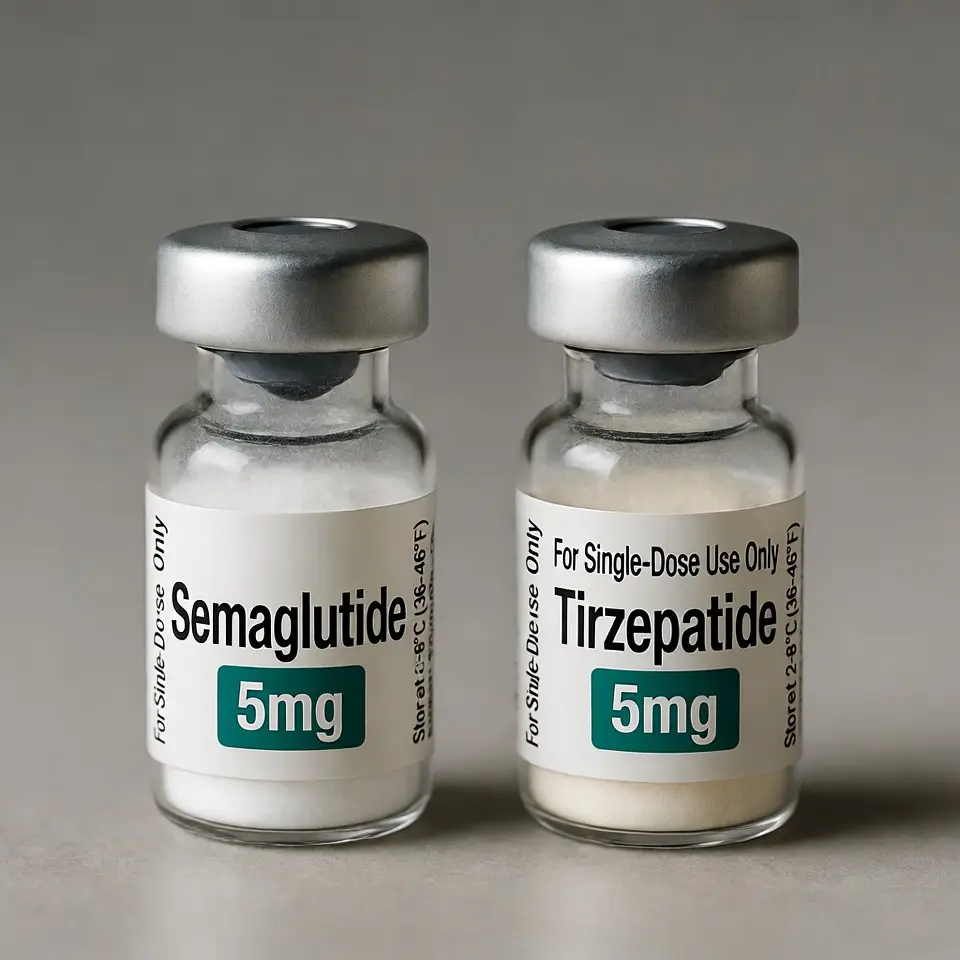
As we delve deeper into the safety profile of semaglutide, it’s important to discuss its comparison with other GLP-1 receptor agonists. Understanding how semaglutide dosage aligns with drugs like liraglutide can help clarify its unique benefits and risks. For instance, while both medications require careful titration, semaglutide has a more favorable dosing schedule due to its longer half-life, which can lead to better patient adherence.
Your Peptide Guide makes semaglutide dosage schedules clearer for Wegovy and Ozempic
Your Peptide Guide turns semaglutide dosage information into something you can actually use. Instead of blending all semaglutide products into one oversimplified recommendation, we separate approved dosing schedules by product, indication, and maintenance target so you can see where confusion starts and how to avoid it.

In addition to individual factors, the environment in which the patient lives can affect semaglutide dosage efficacy. For example, patients living in food deserts may find it more challenging to follow dietary recommendations, which can impact their overall treatment success. Understanding these social determinants of health is vital for healthcare providers to tailor semaglutide dosage appropriately.
We build this semaglutide dosage guidance around official labeling and FDA safety communications, including the FDA alert on compounded semaglutide dosing errors and the Wegovy prescribing information. That matters when you are trying to sort out dose escalation, maintenance dosing, missed-dose handling, or the difference between approved pens and compounded injectable formats.
“Your Peptide Guide centers semaglutide dosing around approved product labels, including Wegovy’s 2.4 mg once-weekly maintenance target and Ozempic’s 0.25 mg once-weekly start.”
Moreover, consistent monitoring during the initial stages of semaglutide treatment is crucial. Studies have shown that patients who have regular follow-ups with healthcare providers tend to have better outcomes. These follow-ups should include assessments of not just weight loss but also metabolic parameters such as blood glucose levels.
Furthermore, education about potential side effects plays a critical role in enhancing patient compliance. Patients need to be informed that nausea and gastrointestinal discomfort are common during the titration phase and often subside over time. By preparing patients for these experiences, providers can reduce anxiety and improve adherence to the prescribed semaglutide dosage regimen.
What becomes easier for you is decision quality. You can stop guessing whether a starter dose is supposed to be a long-term dose, stop treating Wegovy and Ozempic as interchangeable, and stop relying on forum screenshots when the label and the safety context are what actually determine safe use questions.
Product-specific semaglutide dosing guidance for weight management and glycemic control research
Additionally, staying informed about the latest research is crucial. The field of obesity management is rapidly evolving, and new studies are continuously being published. Healthcare providers should encourage patients to stay updated on recent findings related to semaglutide dosage and its efficacy in various populations through reputable sources.
Your Peptide Guide makes one point explicit from the start: approved semaglutide dosing is product specific. Wegovy uses dose escalation every 4 weeks to minimize gastrointestinal adverse reactions, and its adult maintenance dose is 2.4 mg once weekly, with 1.7 mg once weekly as an alternative maintenance dose if 2.4 mg is not tolerated.
“Your Peptide Guide marks Wegovy 0.25 mg, 0.5 mg, and 1 mg as initiation or escalation doses, not approved maintenance doses.”
That distinction matters because the Wegovy label also states that 0.25 mg, 0.5 mg, and 1 mg once weekly are initiation and escalation doses, not approved maintenance doses. If you are evaluating a weight-management protocol, Your Peptide Guide shows you where titration ends, where maintenance begins, and why lower weekly steps are used to improve tolerability rather than to serve as the default long-term target.
Ozempic follows a different dosing logic. Approved labeling starts Ozempic at 0.25 mg injected subcutaneously once weekly for 4 weeks, uses escalation to reduce the risk of gastrointestinal adverse reactions, and then allows increases to 0.5 mg once weekly and 1 mg once weekly after at least 4 weeks on 0.5 mg if additional glycemic control is needed.
Your Peptide Guide lays these dosing tracks side by side so you can compare the real differences instead of assuming the same molecule means the same weekly plan.
In the semaglutide dosage resource, you can expect clear guidance on:
- Approved initiation, escalation, and maintenance dose roles for Wegovy and Ozempic
- Why dose escalation is used to reduce gastrointestinal adverse reactions
- Product-specific missed-dose handling so you do not improvise
- Practical interpretation of label language before you speak with a prescriber
FDA compounded semaglutide safety concerns Your Peptide Guide keeps front and center
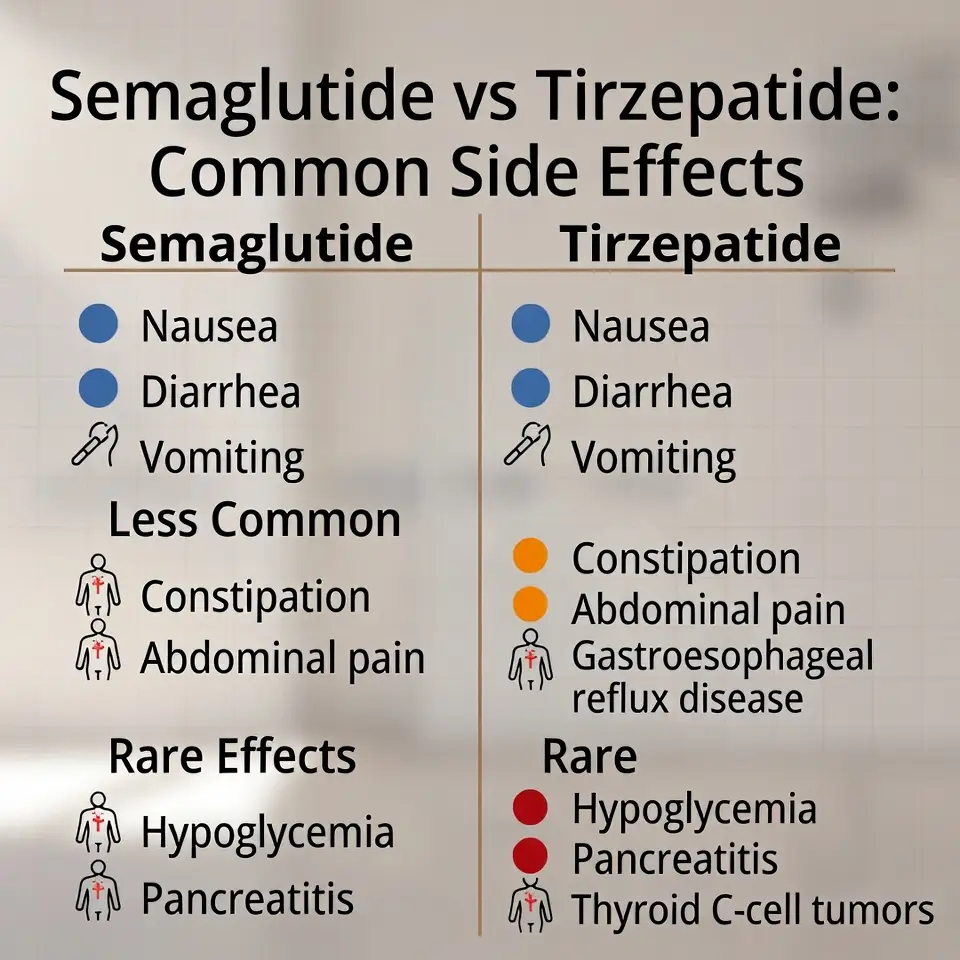
Your Peptide Guide does not treat compounded injectable semaglutide as a minor footnote. The FDA reported dosing errors involving compounded injectable semaglutide products dispensed in multiple-dose vials, and the agency said some patients sought medical attention or required hospitalization after medication errors.
“Your Peptide Guide highlights the FDA distinction between single-dose prefilled pens and compounded semaglutide dispensed in multiple-dose vials.”
Discussing the broader context of obesity treatment is also essential. Semaglutide is part of a comprehensive weight management strategy that includes lifestyle modifications. Evidence shows that combining pharmacotherapy with behavioral interventions yields the best long-term results in weight loss and maintenance. This approach should be communicated clearly when discussing semaglutide dosage with patients.
That warning changes how smart buyers research semaglutide dosage. Wegovy injection is supplied as single-dose prefilled pens that deliver a preset once-weekly dose, while compounded multi-dose vials can introduce measurement confusion around units, volume, concentration, and syringe use. Your Peptide Guide explains that difference in plain language so you can see why dosing mistakes have been a specific FDA concern.
For readers evaluating compounded options, Your Peptide Guide also points to FDA statements that compounded products must satisfy 503A or 503B conditions for certain exemptions and must use the same route of administration as the commercially available product, such as an injectable. That gives you better questions to bring to a clinician or pharmacy before you rely on a dose plan copied from social media or a product page.
Who Your Peptide Guide helps with semaglutide dose escalation and safety questions

Your Peptide Guide is a strong fit when you want better semaglutide dosage information before your next step, not a sales funnel disguised as education.
You will likely get the most value from this resource if:
- You are comparing Wegovy and Ozempic and need the approved dose schedules separated clearly
- You are trying to understand whether a low weekly dose is a starter step or a maintenance dose
- You are reviewing compounded injectable semaglutide and want FDA-based safety context
- You are a clinician, researcher, or highly engaged patient who wants organized peptide guidance by research goal
Because Your Peptide Guide does not sell semaglutide, our role is different from a clinic, telehealth prescriber, or pharmacy. We help you enter those conversations with a clearer understanding of the label, the dosing pathway, the safety warnings, and the right questions to ask.
Why readers trust Your Peptide Guide for semaglutide dosage research
Your Peptide Guide combines physician-informed content, evidence-based analysis, protocol overviews, and safety-first organization in one peptide library. That is especially useful for semaglutide dosage research, where the main errors often come from mixing products, skipping titration context, or overlooking FDA alerts about compounded injectables.

We also organize content by research goal and publish timely updates on emerging and investigational peptides. For you, that means less time piecing together fragmented information and more confidence that the semaglutide dosage guidance you are reading is grounded in official sources and practical interpretation.
If you want semaglutide dosage information that is clearer, more product-specific, and more safety-focused, start with Your Peptide Guide’s semaglutide resources and subscribe to the newsletter for research updates. You will be better prepared for your next prescribing conversation, protocol review, or peptide research decision. Remember, the key to success with semaglutide dosage lies in informed decision-making and continuous learning.
Semaglutide Dosage Context and Trusted Sources
For related reading, see our tirzepatide dosage guide, the tirzepatide side effects guide, and the peptide injections guide.
As part of this educational approach, sharing success stories or testimonials from other patients can be powerful. Highlighting real-life experiences with semaglutide dosage can help potential users visualize the potential benefits and motivate them to stick with their treatment plan.
Review primary sources such as the PubMed semaglutide literature and the FDA drugs resource when studying semaglutide dosage safety topics.
Practical Notes on Semaglutide Dosage Day to Day
Semaglutide dosage differs between diabetes-labeled and weight-management-labeled products, so brand context matters.
A calm notebook with brand, week number, and meal notes supports clearer appointments.
Hand hygiene before pen handling remains a basic safety habit.
Travel coolers with verified temperature ranges reduce avoidable storage mistakes.
Lastly, it is important for patients to recognize that achieving weight loss through semaglutide dosage is a journey, often with ups and downs. Setting realistic expectations can help patients maintain motivation. Acknowledging that weight loss is not always linear and that plateaus can occur is part of fostering a healthy mindset towards ongoing treatment.
Moreover, engaging family members in the weight management journey can provide essential support. Encouraging patients to involve their families can lead to a more robust support system, which is often necessary for maintaining lifestyle changes. This can be particularly beneficial during the initial phases of semaglutide dosage adjustment.
Sleep debt and high stress can intensify how people notice nausea or early fullness.
Peer-reviewed abstracts help filter viral anecdotes before they become purchasing decisions.
Family members can help with calendar reminders without pushing unverified brand switches.
High-sugar mixers and alcohol can complicate how people feel during titration weeks.
Third-party certificates and pharmacy contact details belong in a simple product folder.
Emergency symptoms such as trouble breathing deserve urgent care rather than forum advice.
Consistent lighting photos are less relevant here than timing and symptom logs.
Resistance training and protein targets still shape recovery conversations for many readers.
Reading allergen and inactive-ingredient lists carefully prevents avoidable surprises.
Overall, the effectiveness of semaglutide dosage is enhanced when patients are equipped with the right knowledge and support. By combining evidence-based guidance with a strong support network, patients can navigate their treatment with confidence, leading to successful health outcomes.
Public education should stay calm, specific, and clear about evidence limits.
Shift workers may need different reminder systems than people with fixed daytime schedules.
Budget planning should prioritize documented sources over the cheapest anonymous listing.