
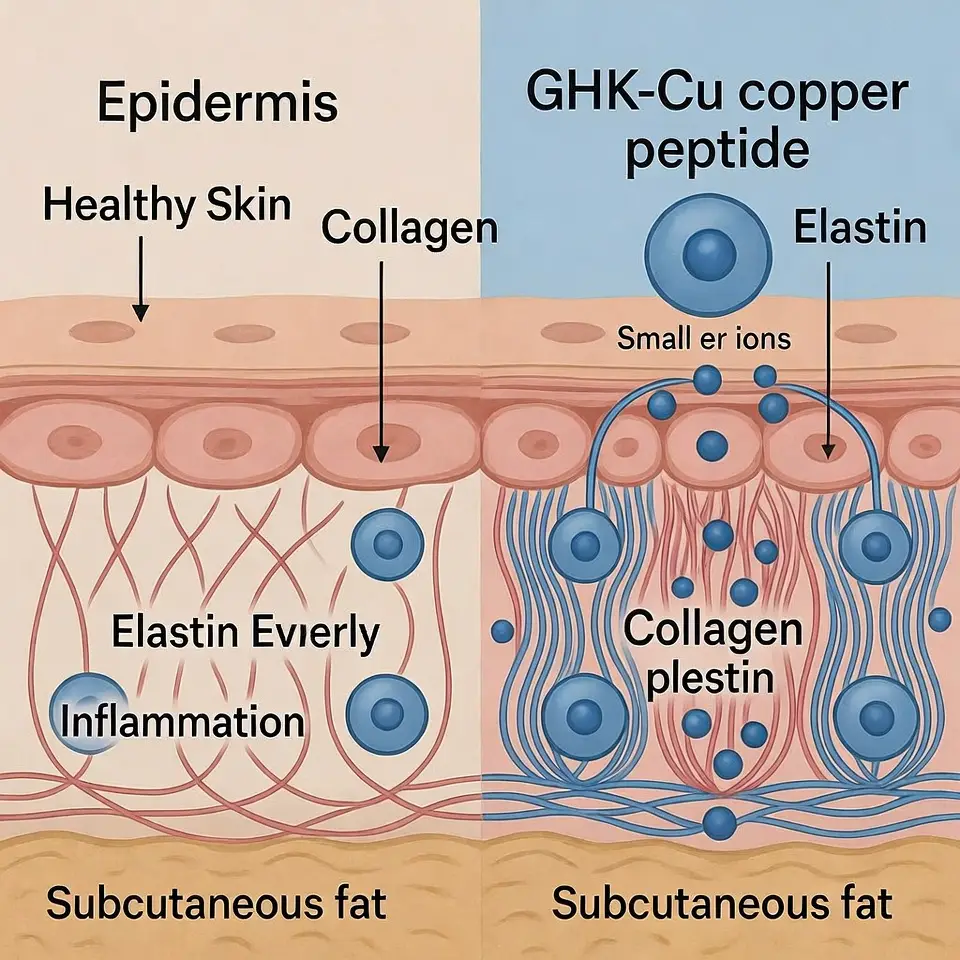

Discover the powerful benefits of peptide moisturizers for firm, hydrated, and youthful skin. As a functional medicine MD, I offer clinical insights on types, proper layering with retinol or Vitamin C, and why peptides deliver superior, long-term skin health compared to harsher actives.
Many physicians often hear from patients who are frustrated with skincare routines that promise youth but cause irritation. They frequently ask whether their regimen truly supports resilient, plump, and youthful skin in the long term.
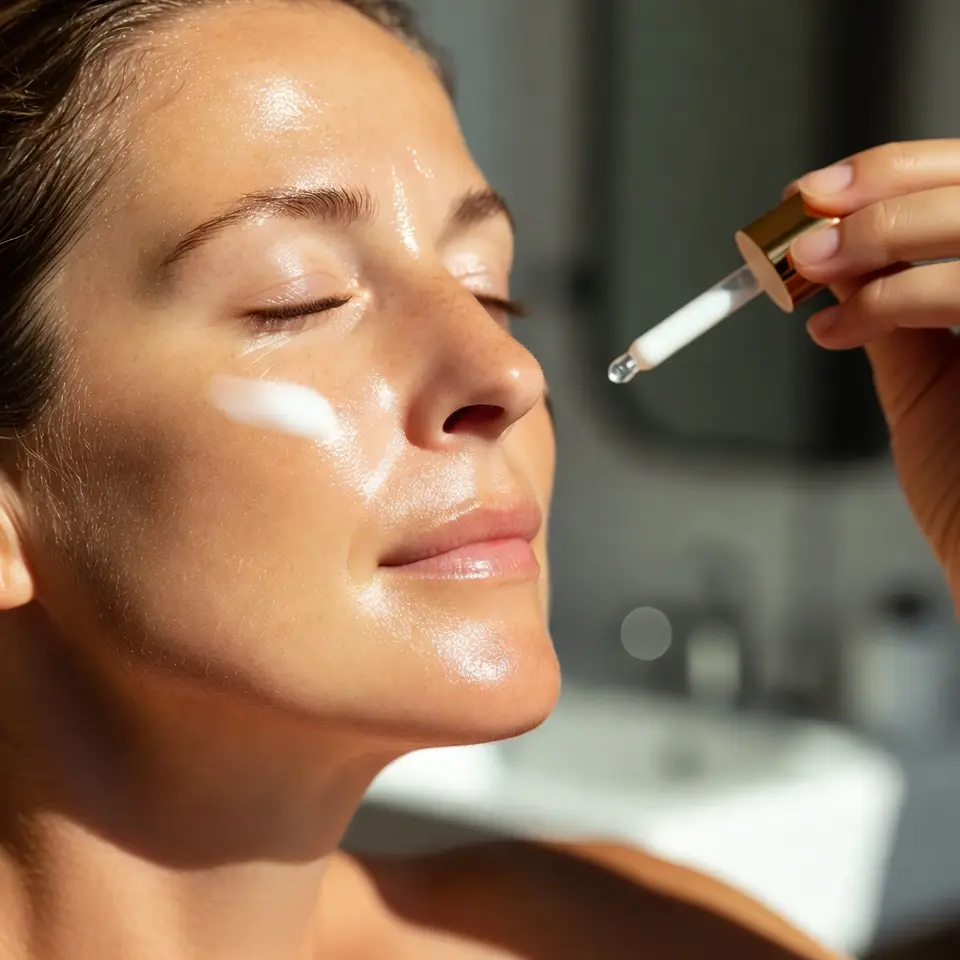
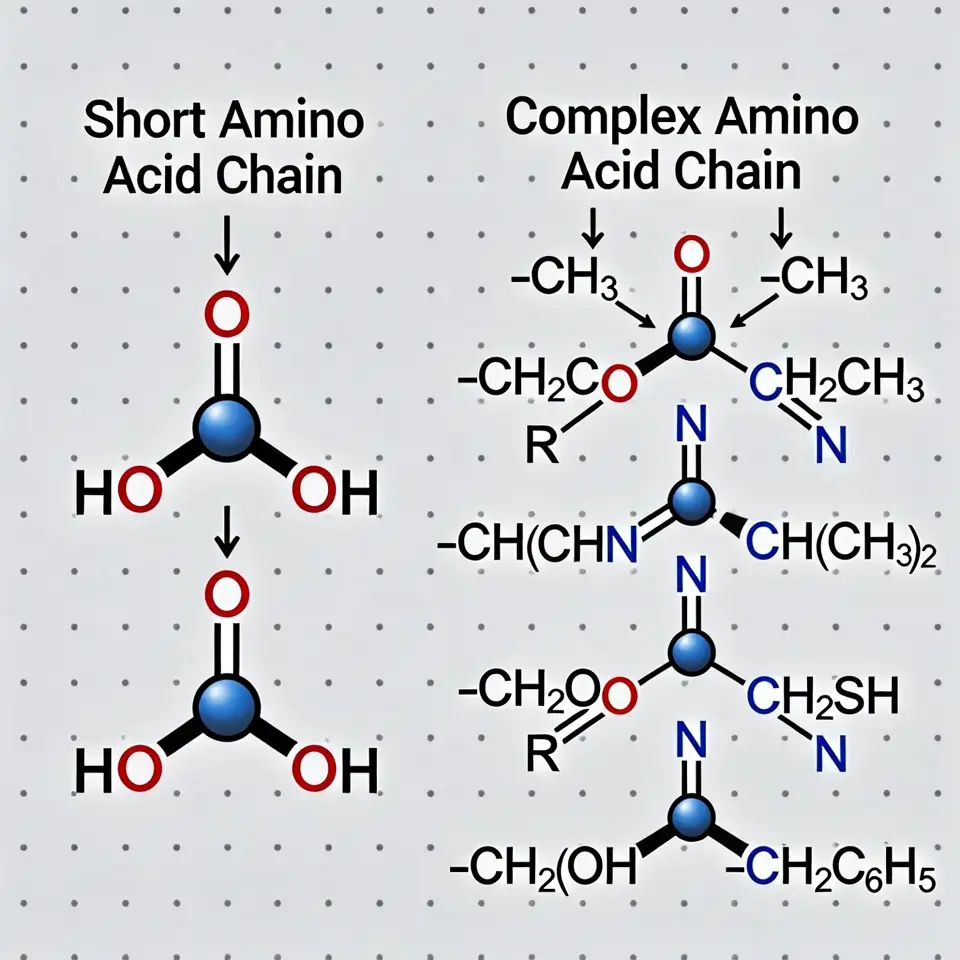
While exfoliating acids (ingredients that help remove dead skin cells) and retinoids (vitamin A derivatives often used to improve skin texture) often dominate conversations, peptides (short chains of amino acids that act as signaling molecules) are among the most elegant, biology-aligned tools in regenerative dermatology. Peptide moisturizers have evolved from niche anti-aging secrets into essential staples for anyone pursuing sustainable skin health. Unlike harsh actives that can compromise the skin barrier (the protective outer layer of your skin), peptides work as cellular messengers, gently signaling your skin to rebuild from within.
Peptides are short chains of amino acids—the very building blocks that make up proteins such as collagen (for strength), elastin (for flexibility), and keratin (for structure). As we age, UV exposure, stress, and inflammation accelerate the breakdown of these structural proteins. Topical peptides mimic the body’s natural “SOS” repair signals released when collagen deteriorates, prompting fibroblasts (specialized skin cells) to produce more supportive proteins without causing actual damage.
In my clinical practice, I routinely recommend peptide moisturizers for patients with sensitive skin, rosacea, or following procedures, as well as for those seeking gentle “prejuvenation.” These modern formulations use encapsulated peptides and advanced delivery systems, such as liposomes, to enhance penetration and communicate with dermal cells.
What excites me most as a functional medicine doctor is the synergy with overall wellness. Peptides support not just surface beauty but deeper skin physiology—improving hydration via natural moisturizing factors (NMFs), reducing inflammation, and enhancing barrier integrity. Recent systematic reviews confirm modest but significant improvements in hydration, brightness, and wrinkle reduction, with excellent safety profiles.
If you’re ready to move beyond reactive treatments toward true skin regeneration, understanding peptide moisturizers is foundational. In this comprehensive guide, I’ll share the mechanisms, types, practical protocols, and evidence-based strategies I use with my patients, so you can achieve visible, lasting results.
Comprehensive Outline & Biohacking Value Framework
This article goes far beyond generic skincare advice. Drawing on clinical experience and peer-reviewed data, I introduce a functional medicine framework that integrates peptides with biohacking principles. These include lab monitoring of inflammation markers, personalized stacking with other regenerative therapies, and safety-first layering protocols. I also emphasize holistic factors such as sleep, nutrition, and hormone balance, all of which amplify peptide efficacy. Expect deeper E-E-A-T insights, practical regimens, and comparisons designed to empower informed choices for resilient, youthful skin.
What Are Peptides and How Do They Work in Skincare?
Peptides function as precision communicators in the skin. When collagen breaks down, its fragments act as signals that trigger repair. Topical peptide moisturizers replicate this effect, safely stimulating neocollagenesis and elastin production.
A lower molecular weight allows better penetration than full-length collagen molecules, especially when formulated with delivery enhancers. They also serve as humectants (ingredients that help retain moisture), supporting the skin’s natural moisturizing factors to combat transepidermal water loss (TEWL, which is the loss of water through the skin).
In functional medicine, I view peptides as regenerative allies that align with the body’s innate healing intelligence—ideal for patients who want to optimize skin from the inside out.
Core Benefits of Peptide Moisturizers
Superior Skin Firmness and Elasticity
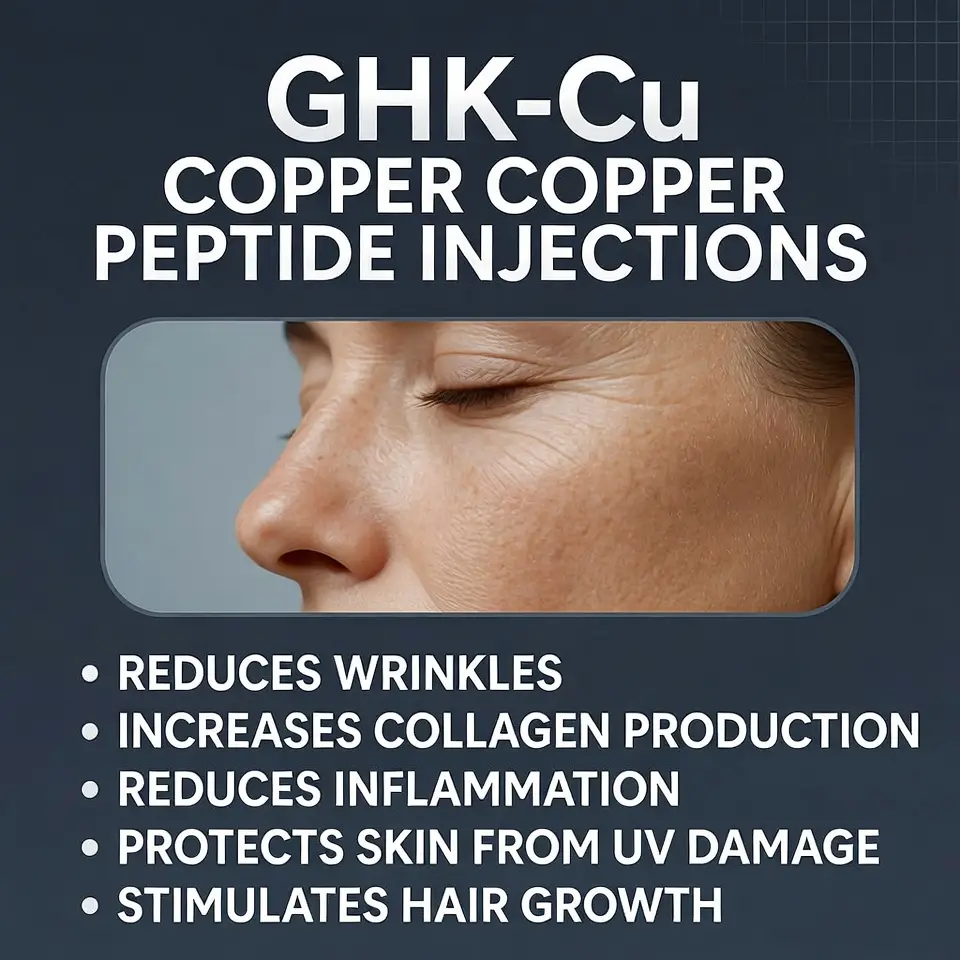
Peptides drive collagen and elastin production, restoring skin’s firmness and elasticity. Patients typically notice enhanced suppleness within weeks and measurable increases in skin firmness over months.
Enhanced Hydration and Barrier Repair
Peptide moisturizers boost dermal thickness and glycosaminoglycan production to relieve dryness and reinforce the barrier—vital for mature, sensitive, or stressed skin.
Soothing Anti-Inflammatory Effects
Peptides soothe and calm irritation, making them excellent for rosacea, eczema, and retinoid sensitivity. They effectively reduce chronic inflammation that speeds up aging.
Wrinkle Reduction and Smoothing
Signal peptides smooth fine lines and wrinkles by rebuilding the skin’s support matrix from within, visibly reducing signs of aging.
Overall Skin Resilience
Peptides accelerate wound healing, strengthen antioxidant defenses, and improve skin’s resilience to other active ingredients for comprehensive, lasting benefits.
Decoding the Different Types of Peptides
Signal Peptides
These messengers, such as Matrixyl (palmitoyl pentapeptide-4, a peptide that signals skin cells to produce more structural proteins), stimulate the production of collagen, elastin, and hyaluronic acid. Clinical data shows significant wrinkle reduction and improved firmness.
Carrier Peptides
Copper peptides (GHK-Cu, a small protein fragment with a copper molecule attached) deliver trace minerals, promoting repair, antioxidant defense (protection from free radical damage), and scar reduction. They are excellent for barrier repair (strengthening the skin’s protective layer) and post-procedure recovery.
Neurotransmitter Inhibitor Peptides
Argireline (acetyl hexapeptide-8) offers a topical Botox-like effect by relaxing facial muscles, reducing expression lines around the eyes, forehead, and mouth.
Enzyme Inhibitor Peptides
These slow collagen-degrading enzymes (MMPs) preserve existing structure and prevent sagging.

Multi-peptide formulas combining these deliver synergistic results.
Peptides vs. Retinol: A Functional Medicine Perspective
Retinol accelerates turnover but often causes irritation, dryness, and sun sensitivity. Peptides build structure gently without these drawbacks and are pregnancy-safe.
I frequently combine them: retinol for turnover at night, peptides for repair and hydration. This duo maximizes benefits while minimizing irritation. For sensitive patients, peptides alone provide excellent long-term anti-aging results.
How to Incorporate Peptide Moisturizers into Your Regimen
Choose Multi-Peptide Formulas
Opt for products like Naturium Multi-Peptide Moisturizer or advanced clinical options containing Matrixyl, copper peptides, and Argireline for broad-spectrum benefits.
Smart Layering with Vitamin C
Apply Vitamin C (an antioxidant that brightens skin and supports collagen) in the morning (use stable derivatives for easier layering). Wait or separate acidic forms (which may interfere with certain peptides, such as copper-based ones) from copper peptides. Use peptides at night during the skin’s repair mode.
Application Tips
Apply to damp skin after using toner for optimal absorption. Use consistently for 4–12 weeks to see structural changes. Pair with internal collagen support (collagen supplements), omega-3s (healthy fatty acids), and antioxidants (substances that protect skin cells from damage).
Monitoring Progress
Track skin via photos, hydration levels, or consult for advanced testing. Adjust based on individual response.
Additional H2 Sections for Depth
Safety, Contraindications, and Lab Considerations
Peptides have an outstanding safety profile. Always patch test new formulas. In functional practice, I monitor hs-CRP or oxidative stress markers in patients with chronic inflammation.
Peptides for Specific Concerns: Acne, Rosacea, Post-Menopause
Tailored recommendations for different skin types and life stages.
Synergistic Biohacking Stacks
Combine with red light therapy, NAD+ support, or oral peptides where appropriate.
Common Myths and Evidence Gaps
Addressing hype vs. reality with balanced, evidence-based views.
Conclusion
Peptide moisturizers offer regenerative skincare that works with your biology to deliver firmer, more hydrated, and more resilient skin with minimal irritation. Whether you’re in your 20s, prejuvenating, or seeking to restore vitality, peptides provide a science-backed foundation for lifelong skin health.
Commit to consistent use, pair with holistic lifestyle practices, and consult your physician for personalized advice. Your skin’s natural intelligence, gently guided by peptides, can deliver profound, lasting radiance.
Last updated: June 24, 2026
FAQ
What are the main benefits of peptide moisturizers for skin?
Peptide moisturizers stimulate collagen and elastin production, improve hydration, strengthen the skin barrier, reduce inflammation, and smooth fine lines. They offer gentle, cumulative anti-aging effects ideal for long-term use.
How long does it take to see results from peptide moisturizers?
Visible improvements in hydration and texture often appear in 2–4 weeks, with significant firmness and wrinkle reduction in 4–12 weeks of consistent daily use.
Can you use peptide moisturizers with retinol?
Yes. They complement each other beautifully—retinol for turnover and peptides for structural repair. Layer peptides after retinol or use in the morning. Consult for sensitive skin protocols.
Are copper peptides safe and effective?
Copper peptides excel at repair, antioxidant protection, and healing. They are generally safe but should be kept separate from strong acids; monitor for individual tolerance.
Do peptides penetrate the skin effectively?
Properly formulated, low-molecular-weight or encapsulated peptides do penetrate to reach target cells, unlike larger collagen molecules.
Are peptide moisturizers suitable for sensitive skin?
Absolutely. Their anti-inflammatory and barrier-supporting properties make them excellent for sensitive, reactive, or compromised skin barriers.
What is the best multi-peptide moisturizer?
Look for blends featuring Matrixyl, Argireline, and copper peptides. Naturium and clinical-grade options frequently receive strong practitioner and user feedback.
Can pregnant women use peptide moisturizers?
Most are considered safe (unlike retinoids), but always check ingredients and consult your obstetrician.
How do signal peptides differ from neurotransmitter inhibitors?
Signal peptides boost collagen production; neurotransmitter inhibitors like Argireline relax muscles, reducing the appearance of expression lines.
Should I use peptides in the morning or at night?
Both work, but nighttime aligns with natural repair. Morning use provides all-day hydration and protection under sunscreen
What Peptide Moisturizers Actually Target
Peptide moisturizers sit between classic humectant creams and active serums. They hydrate while signaling pathways related to collagen support, barrier lipids, and calm appearance—without guaranteeing drugstore miracle outcomes.
Not every peptide moisturizer uses the same chain. Signal peptides, carrier peptides, and neurotransmitter-mimic peptides behave differently on paper, so ingredient lists matter more than brand slogans.
Evidence Habits for Peptide Moisturizers Shoppers
Peer-reviewed dermatology work helps frame why peptide moisturizers attract attention. Use this PubMed overview of topical peptides in skin care research as scientific context, not as a product endorsement.
For cosmetics versus drugs framing, check the FDA cosmetics portal when peptide moisturizers marketing starts sounding like disease treatment claims.
Readers comparing ingredient literacy can also use our peptide science guide and collagen peptides guide.
How to Layer Peptide Moisturizers With Other Actives
Peptide moisturizers usually sit after water-based serums and before occlusive balms. If you use retinoids or acids, introduce one change at a time so you can spot irritation sources.
Vitamin C and peptide moisturizers can coexist for many people, but pH and formula stability vary. Patch testing still beats stacking five new products in one night.
Keep expectations tied to texture and barrier comfort first. Firmness claims from peptide moisturizers often need weeks of consistent use plus sunscreen to mean anything clinically useful.
Choosing Peptide Moisturizers Without Marketing Noise
Look for named peptides with concentrations disclosed when possible. Vague “peptide complex” language on peptide moisturizers labels is common and harder to evaluate.
Fragrance-heavy peptide moisturizers may feel luxurious while undermining sensitive-skin goals. Barrier-first shoppers often do better with simpler bases.
Price is not proof. Expensive peptide moisturizers can still under-deliver if the vehicle is poorly designed or the peptide load is tiny.
Practical Guardrails Around Peptide Moisturizers
Peptide moisturizers are cosmetics for most shoppers, not injectable research chemicals. Keep that distinction clear when reading online forums that blur categories.
If a dermatologist is managing acne, rosacea, or prescription retinoids, bring your peptide moisturizers list to the visit instead of guessing about interactions.
Photograph progress under similar lighting. Subjective “glow” from peptide moisturizers is easy to overestimate without a baseline.
Key Takeaways on Peptide Moisturizers
Peptide moisturizers can be useful barrier and firmness-support products when formulas are honest and routines stay simple. They are not a substitute for sunscreen, sleep, or medical care.
Treat peptide moisturizers as one tool in a measured skincare plan. Read labels, track irritation, and update choices when evidence or your skin’s needs change.
Additional Context for Careful Readers
Readers comparing peptide moisturizers should separate hydration feel from structural skin changes.
Daily SPF still outperforms most night creams for long-term photoaging risk reduction.
Storage and expiration dates matter for peptide moisturizers that sit in warm bathrooms for months.
Independent reviews of peptide moisturizers are more useful when they disclose skin type and concurrent actives.
Budget allocation toward sunscreen and a gentle cleanser often beats stacking three overlapping peptide moisturizers.
Clinical photos in ads for peptide moisturizers may reflect lighting, makeup, or other procedures—not the cream alone.
Ask whether a study on peptide moisturizers used vehicle controls and meaningful endpoints before trusting bold before-and-after claims.
More Practical Notes
Shoppers researching peptide moisturizers should compare named ingredients, not only brand stories.
Gentle cleansing and consistent habits often explain more visible skin changes than any single cream.
Sensitive-skin users may prefer fragrance-free peptide moisturizers with short ingredient lists.
Gentle cleansing and consistent habits often explain more visible skin changes than any single cream.
Independent lab claims for peptide moisturizers deserve the same scrutiny as any cosmetic study.
Building a Steady Routine Around Peptide Moisturizers
Consistency beats novelty. A simple cleanser, daytime sunscreen, and one peptide moisturizer used nightly will teach you more than rotating five jars.
Track how your skin feels after cleansing and after two weeks of the same cream. Comfort and barrier resilience are practical endpoints for topical products.
If irritation appears, pause actives first and keep hydration simple. Reintroduce one product at a time so you can identify the culprit.
Photography under the same bathroom lighting helps more than memory. Small texture changes are easy to miss week to week.
Clinician visits go better when you bring the full product list, including the peptide moisturizer you actually use most nights.
Seasonal humidity changes can make the same cream feel richer or thinner. Adjust layering, not necessarily the entire shelf.
Travel sizes are useful for patch-testing a new formula before buying a full jar of anything marketed for firmness.
Gentle habits around sleep and sunscreen still explain more long-term photoaging risk than any single night cream claim.