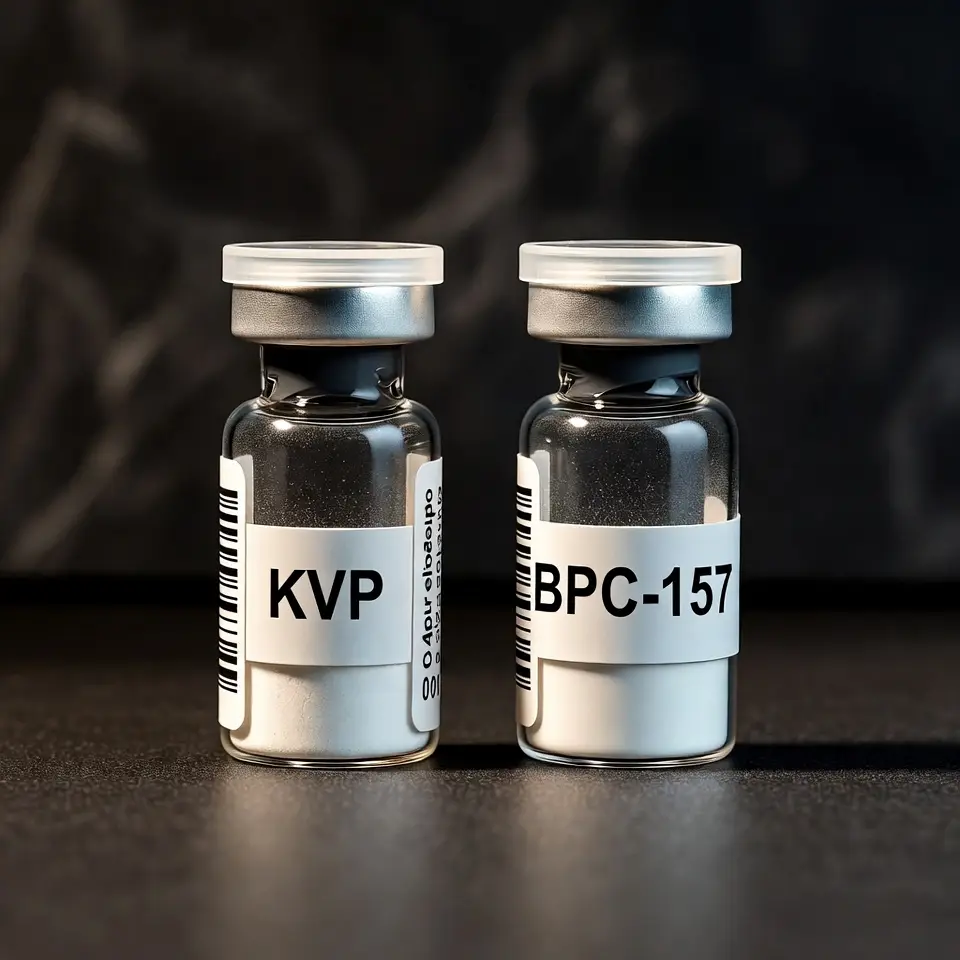

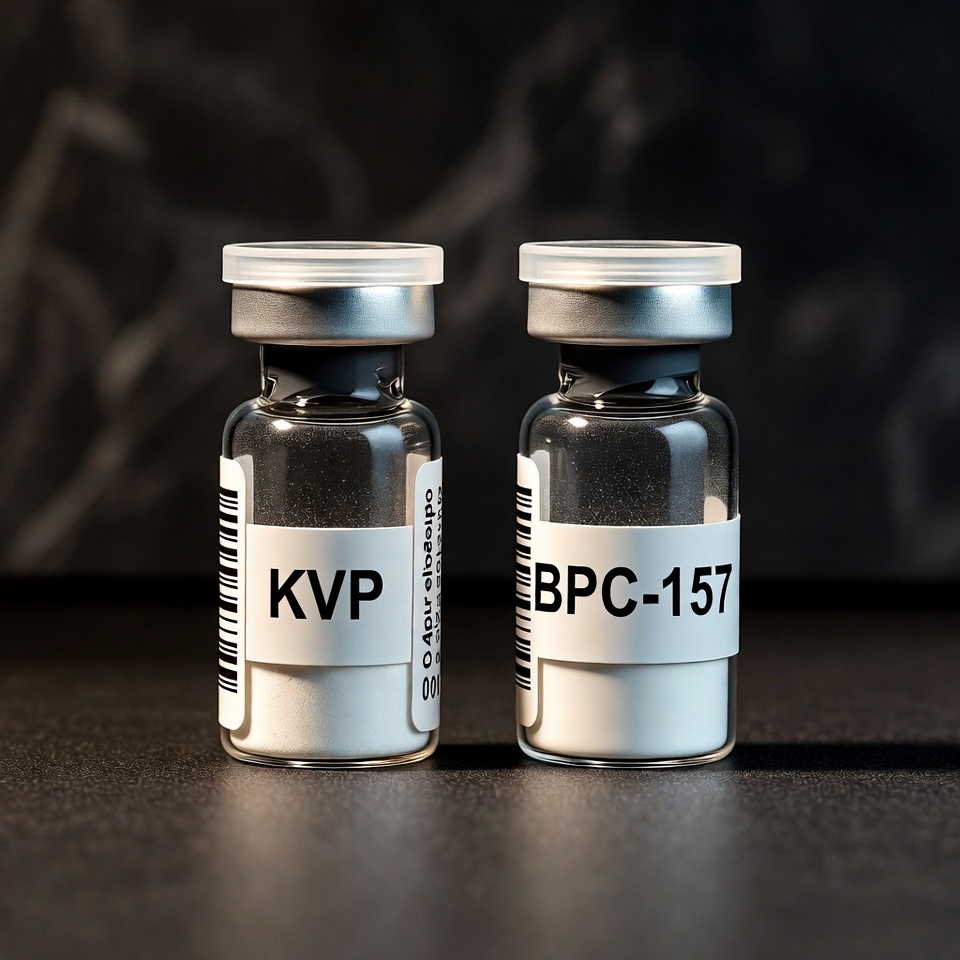
Medicial physicians, have witnessed countless patients trapped in cycles of chronic inflammation, autoimmune flares, leaky gut, and stubborn skin conditions. Many conventional approaches rely on broad-spectrum immunosuppressants or steroids. These often trade one set of problems for another.
This is where KPV peptides stand out as a targeted tool in the regenerative medicine toolkit.KPV peptide education starts with a careful framing: inflammation and gut-healing narratives should be read as research literacy, not personalized prescriptions.
KPV is a naturally occurring tripeptide (short chain of three amino acids) derived from α-MSH, specifically from positions 11 to 13 in its structure. This sequence maintains the core anti-inflammatory properties while remaining stable and suitable for different routes of administration, including oral, topical, and injectable.
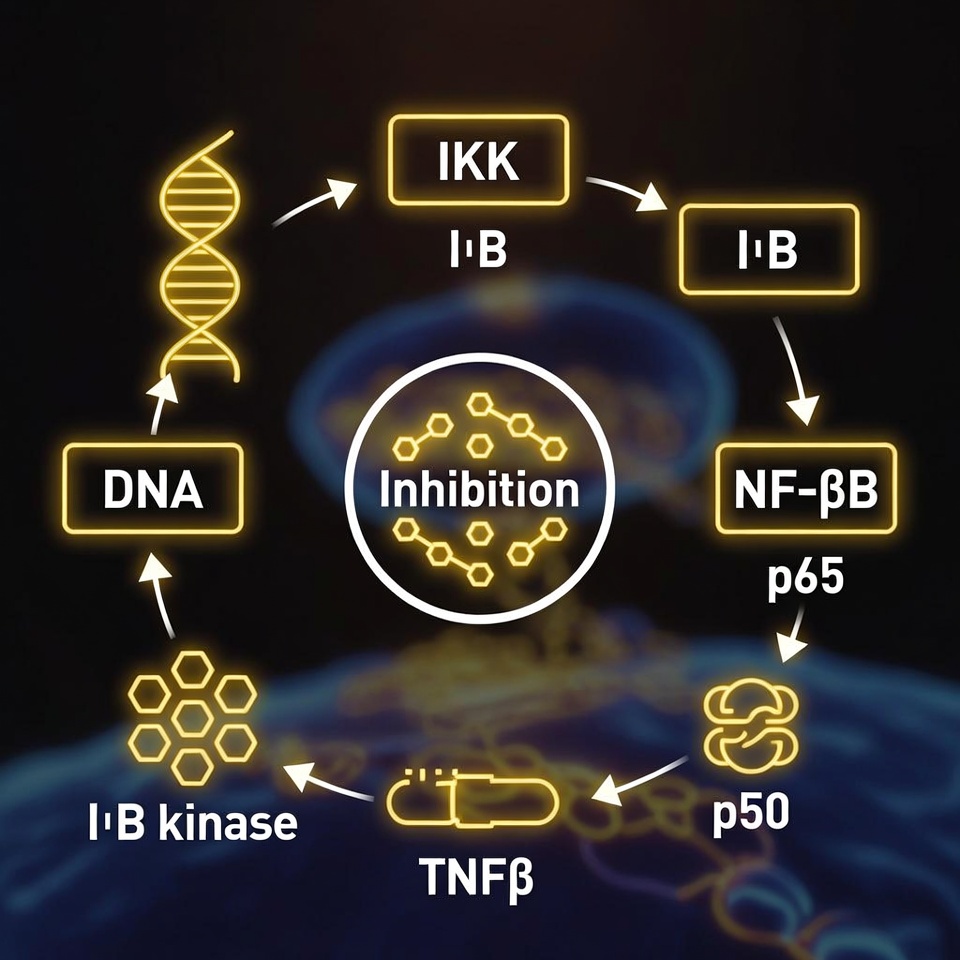
Upon administration, KPV interacts with melanocortin receptors (primarily MC1R) on immune cells such as macrophages, neutrophils, and mast cells. It translocates to the nucleus, potently inhibiting NF-κB activation and downstream pro-inflammatory cytokines, including TNF-α, IL-6, and IL-1β. This mechanism allows targeted resolution of inflammation without broad immune suppression.
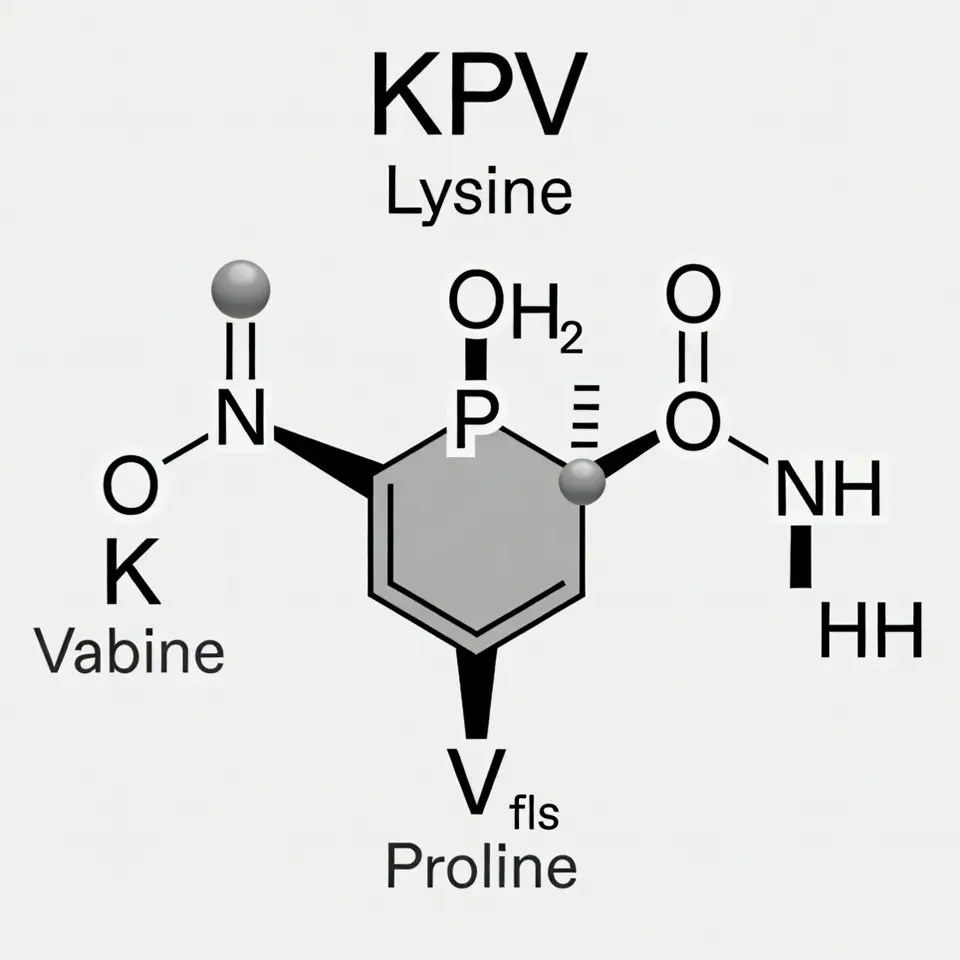
Each amino acid in KPV helps: Lysine boosts collagen and immune balance, Proline repairs tissue, and Valine supports metabolism. Together, they restore balance in overactive immune settings.
Profound Anti-Inflammatory and Antimicrobial Effects
KPV excels at reducing chronic inflammation. Studies show it lowers cytokine storms and limits tissue damage in systemic inflammation models.
Notably, KPV also exhibits antimicrobial and antifungal properties, helping address underlying triggers such as Candida or bacterial overgrowth that perpetuate inflammation—unlike NSAIDs or steroids, which may increase infection risk. In my patients with MCAS or chronic infections, this dual action often accelerates symptom relief.
This guide explains how careful readers evaluate KPV peptides claims, safety boundaries, evidence quality, and monitoring habits.
Discover KPV peptide benefits for inflammation, gut healing, skin conditions, and immune modulation. Specialized medical clinicians possess experience, insights, dosing recommendations, BPC-157 stacks, and safety protocols for both biohackers and patients.
Why KPV peptides Education Matters
Clear kpv peptides education helps readers separate gut-health marketing from research-oriented summaries.
Most practical questions cluster around identity, evidence quality, monitoring habits, and when to escalate care.
A careful kpv peptides briefing emphasizes that published discussions are not individualized prescriptions.
Medical history, medications, and gut goals change how any research note should be interpreted.
Safety Boundaries for Careful Readers
Stop and seek professional care for severe allergic signs, unexpected swelling, or other urgent reactions.
Educational kpv peptides guides are not emergency care.
Pregnancy, breastfeeding, and interacting medications change risk—seek clinician guidance when relevant.
Authenticity matters. Gray-market materials introduce purity unknowns that no carefully worded inflammation chart can correct.
Evidence Habits When Evaluating Claims
Verify bold gut-healing or immune claims against indexed literature.
Start with PubMed searches related to kpv peptides and anti-inflammatory peptide pathways.
Then compare consumer language with agency guidance from the FDA when products make drug-like promises.
Cross-check related literacy using our BPC 157 dosage guide, klow peptides guide, and peptide side effects guide.
Strong kpv peptides education distinguishes mechanism summaries, small observational notes, and larger controlled outcomes.
Monitoring Habits That Improve Interpretation
Track relevant safety signals, gut comfort, sleep, and lifestyle confounders alongside any kpv peptides education log.
Without those anchors, people credit or blame peptides for unrelated lifestyle noise.
Introduce one variable at a time when evaluating research materials.
A calm weekly review of notes beats improvisation over days.
Handling and Storage Context
Identity, cold-chain habits, and open-product windows protect interpretation of any experiment.
Degraded material creates confusing responses that people attribute to “wrong protocol” instead of handling failure.
Store according to label guidance and protect from heat or light when required.
If packaging arrives unlabeled or with broken seals, do not use it as a learning tool.
Common Myths Around kpv peptides Narratives
Myth one: a single chart equals personalized medicine. Individual response varies with history and context.
Myth two: more aggressive use always means clearer benefits. Adding intensity faster than you can monitor usually increases noise.
Myth three: social media protocols are validated endpoints. They are anecdotes.
Strong kpv peptides education keeps anecdote, mechanism, and controlled outcome tiers separate.
When to Pause and Escalate Care
Escalate promptly for severe allergic signs, breathing difficulty, neurologic red flags, or concerning systemic reactions.
Educational reading is never a substitute for emergency evaluation.
Mild unexpected symptoms deserve documentation and clinician discussion if they persist.
If pregnancy, breastfeeding, or uncontrolled chronic disease is part of your history, seek personalized medical guidance first.
Putting Insights Into Daily Practice
Translate each educational insight into one measurable habit.
If gut comfort and inflammation are the focus, track sleep quality, diet consistency, and symptom trends before chasing new compounds.
Education works best as a closed loop: choose one primary question, measure two or three signals, and review weekly.
Keep clinician communication ready. Bring your log, labels, and timeline to appointments instead of screenshots alone.
Research Clarity for kpv peptides Readers
When readers study kpv peptides for inflammation and gut healing, they should treat marketing claims as hypotheses until primary endpoints are checked.
Mechanism interest is valuable, but it is not the same as a clinically meaningful outcome for every reader.
A careful kpv peptides reading keeps study tiers visible: in-vitro notes, small human observations, and larger controlled outcomes.
If endpoints are unclear, kpv peptides education should encourage verification through original publications and reputable summaries.
Practical Monitoring Checklist
For kpv peptides education, track sleep quality, gut comfort, skin changes, and any safety notes in one place.
Because confounders exist, document illness, travel, workload spikes, and medication changes before attributing changes to kpv peptides.
Introduce one variable at a time so you can interpret effects without guessing.
Weekly reviews are usually more useful than reacting to day-to-day fluctuations with new stacks.
Building a Durable Learning Framework
A durable framework combines safety boundaries, evidence checks, monitoring habits, and clinician escalation rules.
Used carefully, kpv peptides education becomes practical gut-literacy rather than a single miracle-stack narrative.
Translate each educational insight into one measurable habit and review it weekly so you can learn over time.
Maintain documentation: labels, dates, endpoints, and safety notes so conclusions are transparent.
Stay skeptical, stay curious, and keep validating kpv peptides claims against primary sources as formulations and regulations evolve.
Key Takeaways for Careful Readers
kpv peptides remain a popular research topic because anti-inflammatory gut interest is strong.
The most useful guides pair science context with evidence humility and safety fundamentals.
Stay curious, stay skeptical, and keep documentation.
Treat this article as research and consumer education—not medical advice, diagnosis, dosing instruction, or a substitute for licensed care.
Keep validating kpv peptides claims against primary sources as formulations and regulations evolve.
Final Safety Recap for kpv peptides Readers
A practical recap returns readers to fundamentals: identity clarity, evidence checks, and escalation rules.
Before trusting any inflammation claim, compare wording with indexed literature and note what endpoint was actually measured.
If unexpected symptoms appear or anything feels severe, educational reading should prompt clinician evaluation.
Used with evidence humility, kpv peptides education becomes practical literacy that supports better decisions over time.
Track sleep consistency, gut comfort, and any safety notes so you can interpret changes without confusing confounders for effects.
If handling or storage conditions are unclear, education should encourage caution and label-follow storage habits.
A durable kpv peptides learning framework pairs evidence humility with monitoring habits and clinician escalation rules.
Over weeks and months, these habits make gut-health progress easier to interpret with less noise.
Finally, stay skeptical of miracle-stack language and keep validating claims against primary literature as formulations and regulations evolve.
The Science of KPV: Molecular Foundations
KPV, the tripeptide Lysine-Proline-Valine, is the active C-terminal fragment of alpha-melanocyte-stimulating hormone (α-MSH). It delivers potent anti-inflammatory and immunomodulatory effects. Unlike the full hormone, it does not cause pigmentation side effects or the systemic risks of pharmaceuticals. In my clinical practice, I have seen KPV help patients reduce systemic inflammation, heal their gut lining more quickly, and clear their skin. This often occurs when other interventions have failed.
Upon administration, KPV interacts with melanocortin receptors (primarily MC1R) on immune cells such as macrophages, neutrophils, and mast cells. It translocates to the nucleus, potently inhibiting NF-κB activation and downstream pro-inflammatory cytokines, including TNF-α, IL-6, and IL-1β. This mechanism allows targeted resolution of inflammation without broad immune suppression.
Each amino acid in KPV helps: Lysine boosts collagen and immune balance, Proline repairs tissue, and Valine supports metabolism. Together, they restore balance in overactive immune settings.
Profound Anti-Inflammatory and Antimicrobial Effects
KPV excels at reducing chronic inflammation. Studies show it lowers cytokine storms and limits tissue damage in systemic inflammation models.
Notably, KPV also exhibits antimicrobial and antifungal properties, helping address underlying triggers such as Candida or bacterial overgrowth that perpetuate inflammation—unlike NSAIDs or steroids, which may increase infection risk. In my patients with MCAS or chronic infections, this dual action often accelerates symptom relief.
Mast Cell Stabilization for MCAS and Allergic Conditions
For patients with Mast Cell Activation Syndrome, KPV acts as a natural stabilizer, reducing erratic histamine release and associated systemic symptoms. This makes it particularly valuable for histamine intolerance, hives, and inflammatory cascades that are resistant to other therapies.
KPV and Gut Health: Healing IBD and Leaky Gut
KPV works very well for Inflammatory Bowel Disease (IBD), including Crohn’s and ulcerative colitis. Preclinical models show that KPV accelerates healing of the mucosal lining, reduces colonic inflammation, and supports barrier integrity. It works via PepT1-mediated uptake.
Oral delayed-release KPV formulations deliver it directly to the intestines.
- Pair KPV with L-glutamine, zinc carnosine, and spore-based probiotics to boost repair.
- Monitor fecal calprotectin and zonulin levels to objectively track progress.
Patients often report less abdominal pain, better regularity, and fewer flares within 2–4 weeks.
KPV vs BPC-157: Choosing or Combining for Optimal Healing
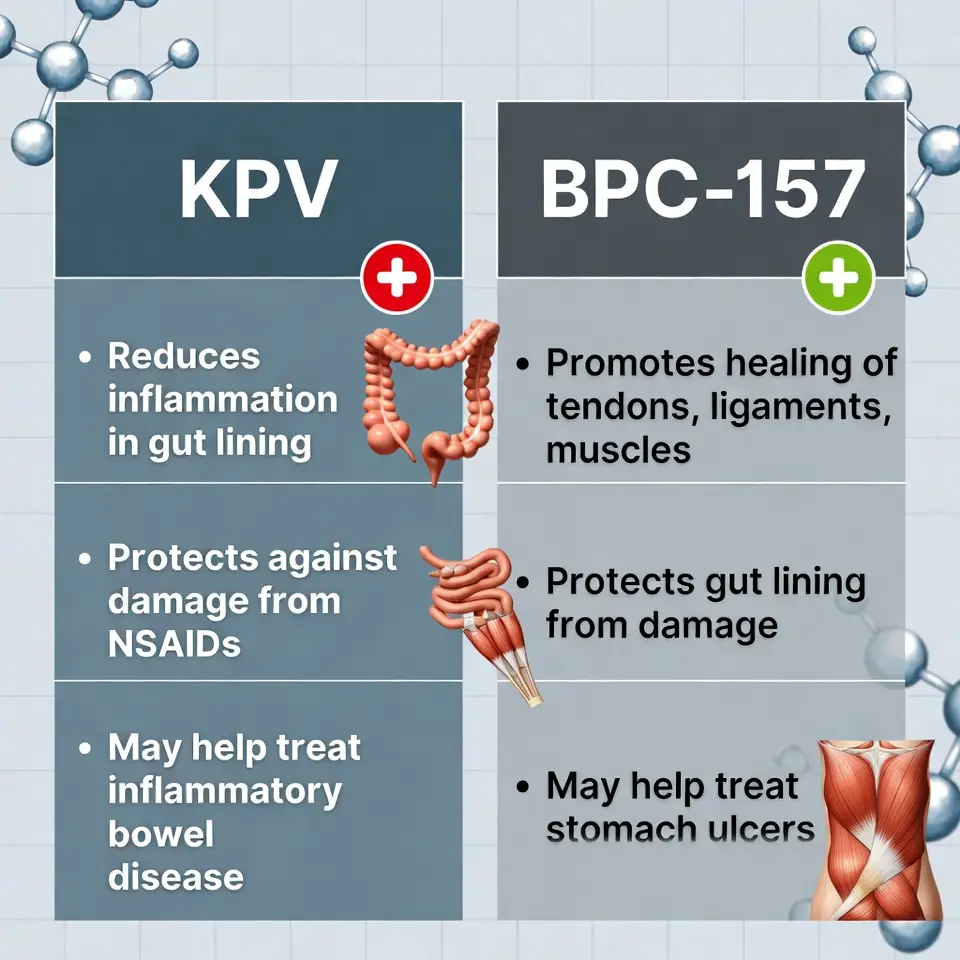
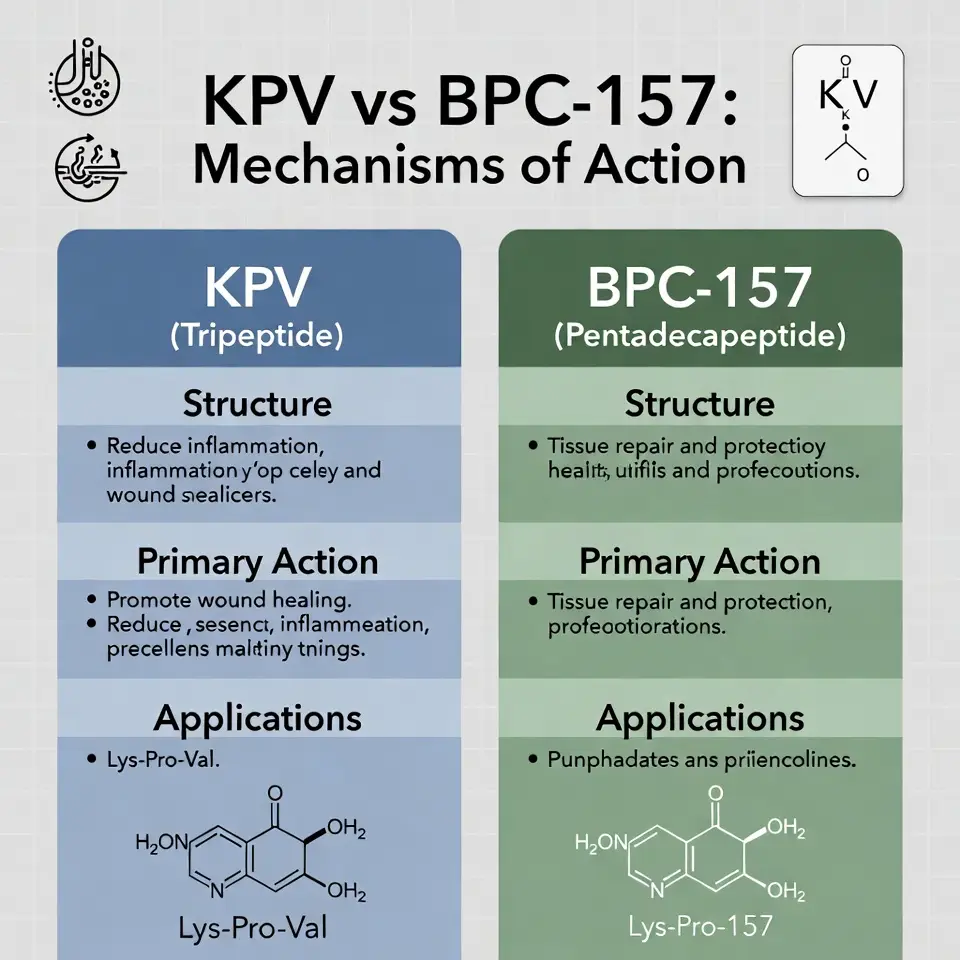
Both peptides shine in regenerative protocols, yet their strengths differ:
BPC-157 primarily drives angiogenesis, tendon/ligament repair, and structural gut lining reconstruction—ideal for acute injuries or post-surgical recovery.
KPV modulates the immune system, regulates cytokine activity, exerts antimicrobial effects, and stabilizes mast cells. This makes it better for autoimmune or infection-based inflammation.
For severe IBD or chronic cases, I often combine both peptides. KPV calms inflammation while BPC-157 rebuilds tissue. Many patients see better results with this combination, especially with lifestyle changes.
Dermatological Applications: Skin Barrier Restoration
Topical KPV shows excellent results for psoriasis, eczema, rosacea, and acne due to its localized receptor engagement and its ability to control inflammation. It promotes balanced wound healing, reducing excessive scarring while accelerating repair.
Use a 1-2% KPV cream on affected areas once or twice daily. For anti-aging or scars, combine with GHK-Cu to help collagen.
KPV Peptide Dosage and Administration Guidelines
Dosing should be personalized. General ranges, given under medical supervision, are listed below.
- Oral (gut/systemic): 250–500 mcg once or twice daily (up to 1 mg for flares) in delayed-release capsules.
- Topical: 1–2% concentration, applied 1–2x daily.
- Subcutaneous Injectable: 200–400 mcg daily, often divided into 2 doses for consistent effect. Subcutaneous means injected just under the skin.
Start with a low dose and slowly increase. Store reconstituted injectables in the fridge. Oral and topical forms are usually more stable.
Safety Profile and Long-Term Considerations
KPV boasts an excellent safety profile as a natural fragment with minimal side effects—primarily mild injection-site reactions or transient Herxheimer responses due to its antimicrobial action.
KPV modulates immunity rather than suppressing it. This allows long-term use, such as 8–12 weeks on followed by 4 weeks off. Regular lab monitoring (CBC, inflammation, liver/kidney function) is wise. If you use immunosuppressants, check with your doctor first.
Synergistic Peptide Stacks and Lifestyle Integration
- Gut Healing: KPV + BPC-157
- Immune Balance: KPV + Thymosin Alpha-1
- Skin Rejuvenation: KPV + GHK-Cu
Enhance results with an anti-inflammatory diet—remove seed oils and gluten, and add omega-3s. Reduce stress with HRV training or meditation. Get 7–9 hours of good sleep. These basics can make peptides much more effective.
Conclusion
After years of using KPV in patient protocols, KPV has precision and safety in targeting inflammation. It resolves gut barrier problems in IBD, calms skin flares, and helps control immune dysregulation. This tripeptide is a strong and evidence-based choice in functional medicine.
KPV does not replace basic lifestyle work; it complements it. Using peptides with nutrition, stress control, and monitoring helps patients heal more deeply and for longer.
As always, peptide therapy should be personalized under professional guidance. If you are struggling with chronic inflammation, reach out to a peptide-literate practitioner to explore whether KPV is a good fit for your regimen. The future of medicine lies in harnessing the body’s own signaling molecules for regeneration—and KPV exemplifies this elegant approach.
FAQ
What is the KPV peptide, and how does it work?
KPV is the Lys-Pro-Val tripeptide fragment of α-MSH. It blocks NF-κB signals in immune cells. This cuts pro-inflammatory cytokines and boosts homeostasis and antimicrobial action. It does this without broad immune suppression.
Does KPV help with IBD or ulcerative colitis?
Yes. Early data and preclinical work show KPV reduces colonic inflammation, speeds mucosal healing, and supports gut barrier in colitis models. It looks promising for IBD management. Talk to your physician about personalized use.
What are typical KPV peptide benefits for skin?
Topical KPV calms psoriasis, eczema, and rosacea and accelerates wound healing by local anti-inflammatory action and mast cell stabilization. Many patients see reduced redness and improved texture within days to weeks.
Can I stack KPV with BPC-157?
Absolutely. This is one of my most recommended combinations: KPV modulates inflammation and immunity while BPC-157 drives tissue repair. Synergy is particularly strong for gut and systemic recovery.
Is KPV safe for long-term use?
KPV has a strong safety profile with low side-effect risk. Cycling (8–12 weeks on, 4 off) is prudent to maintain receptor sensitivity. Monitor with labs and work with a qualified provider.
Does KPV cause skin darkening?
No. Unlike full α-MSH, KPV lacks the melanocyte-stimulating sequence and does not promote tanning or pigmentation changes.
How long until I see KPV benefits?
Topical effects can appear in 24–48 hours for acute inflammation. Systemic or gut benefits typically emerge in 2–4 weeks of consistent use.
What is the best KPV dosage for gut health?
Oral delayed-release: Start at 250–500 mcg, 1–2 times daily. Adjust under medical supervision based on the response.
Are there side effects of KPV peptides?
Generally minimal. Possible mild injection reactions, transient GI adjustment, or die-off symptoms from antimicrobial action. These are usually self-limiting.
Do I need a prescription for KPV?
Availability varies by jurisdiction and formulation. Compounded or research-grade options often require provider oversight. Source from reputable, third-party tested suppliers.
Practical Consistency Notes
Educational literacy about inflammation pathways should stay grounded in clinician guidance. Track symptoms, medications, and diet patterns before changing any protocol on your own.
Sleep, stress skills, and protein-forward meals often influence gut comfort as much as any single research compound. Build those foundations first, then discuss specialized options with qualified professionals.
When reading supplier claims, demand certificates, clear research-use labeling, and transparent purity methods. Marketing language is not a substitute for peer-reviewed context or medical oversight.