

Discover the benefits and risks of Copper peptides in this detailed guide by an integrative physician.
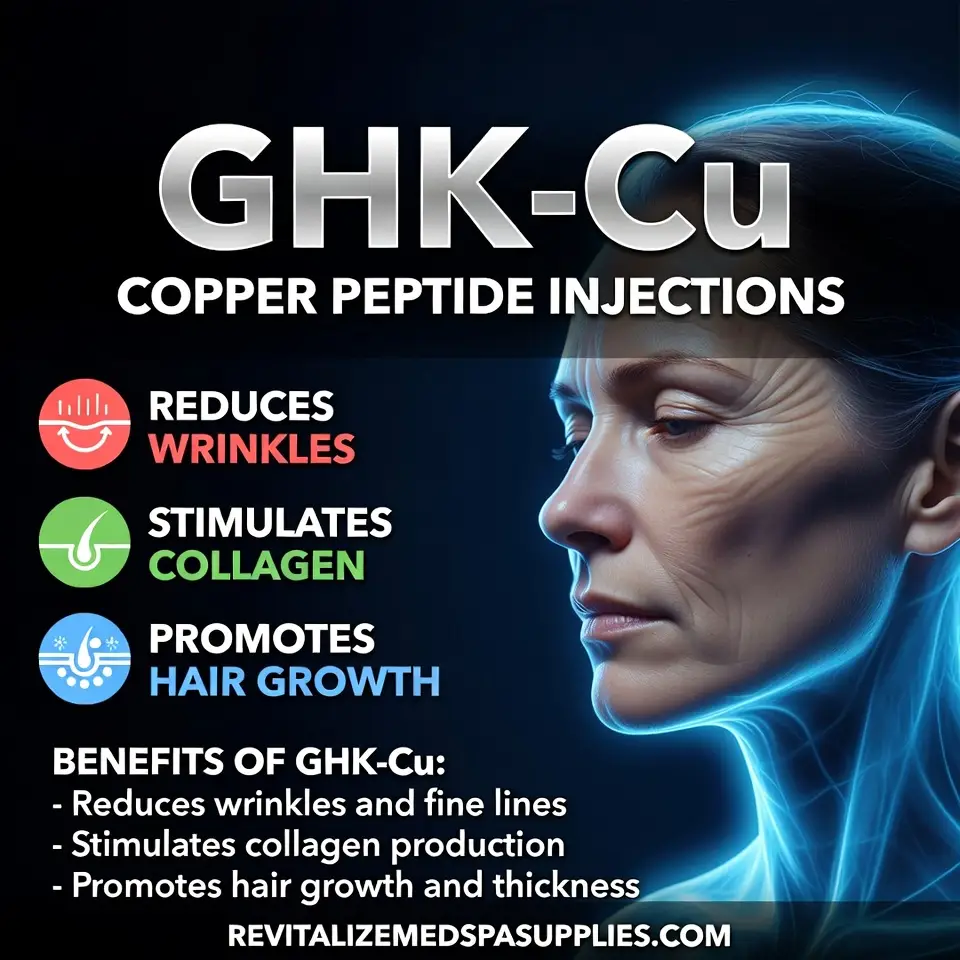
Copper peptides are gaining popularity due to their multifaceted benefits. They support skin rejuvenation, promote healing, and aid in anti-aging efforts. Many are turning to copper peptide injections for a more youthful appearance.
Patients are encouraged to explore the advantages of copper peptide injections as part of their health regimen. Regular use of copper peptide injections can lead to significant improvements.
Many patients seeking solutions for aging, chronic inflammation, and slow recovery. One of the most compelling tools I use is GHK-Cu, or copper tripeptide-1. This natural peptide is now a key component of cutting-edge therapies for vibrant longevity and cellular health.
Furthermore, copper peptide injections enhance collagen production, vital for maintaining skin elasticity and overall appearance. The use of copper peptide injections is becoming a prime choice for those seeking an effective solution for aging skin.
The decline of copper levels in the body with age highlights the need for copper peptide injections. They act as a necessary supplement to combat aging and support cellular vitality.
Moreover, copper peptide injections can improve recovery times and enhance overall wellness. Those who use copper peptide injections report noticeable improvements in their health and vitality.
While topical copper peptides have long graced cosmetic shelves, copper peptide injections offer systemic bioavailability, unlocking deeper regenerative potential. From enhancing collagen synthesis and promoting hair follicle regeneration to accelerating tissue repair and modulating inflammation, GHK-Cu offers multifaceted benefits that align beautifully with the body’s innate healing intelligence.
As levels of this tripeptide naturally decline with age—from around 200 ng/mL in our twenties to under 80 ng/mL by age 60—the body loses a powerful ally in gene expression modulation and antioxidant defense. In clinical practice, I have seen patients experience improved skin elasticity, reduced joint discomfort, and faster recovery when GHK-Cu is incorporated thoughtfully under medical supervision.
However, as with any potent intervention, copper peptide injections require adherence to proper protocols, maintenance of mineral balance, and consideration of individual biochemistry. This guide draws from peer-reviewed research, clinical observations, and practical patient outcomes to illuminate both the profound benefits and necessary precautions of GHK-Cu therapy. Always consult a qualified healthcare provider for personalized guidance, baseline lab work, and monitoring.
Comprehensive Outline & Biohacking Value Framework
This article elevates standard discussions of copper peptides by integrating clinical E-E-A-T insights, practical biohacking stacks, lab monitoring recommendations, and evidence-based safety frameworks. Unlike generic overviews, it provides actionable, physician-guided protocols optimized for systemic regeneration, emphasizing zinc-copper homeostasis and long-term wellness.
What is GHK-Cu (Copper Tripeptide-1)?
GHK-Cu was found in 1973 by Dr. Loren Pickart. It is a human protein piece that strongly binds to copper ions. It helps control many genes that keep the body youthful.
Restoring GHK-Cu often means better tissue remodeling, less oxidative stress, and stronger extracellular matrix integrity in my patients. Its antioxidant and anti-inflammatory effects are valuable in the management of chronic disease.
The Science of Healing: The Role of Copper Peptides in Tissue Remodeling
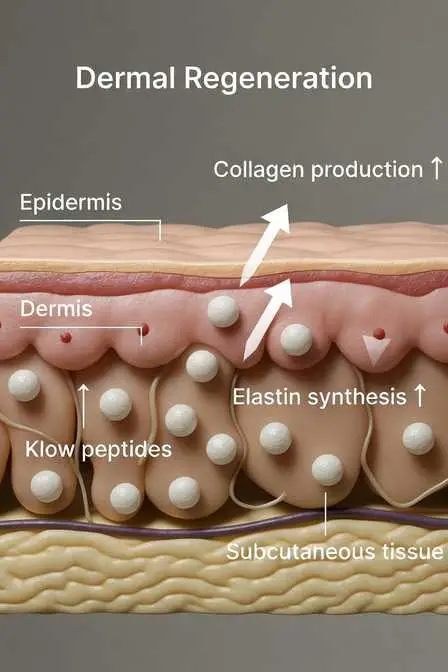
GHK-Cu exhibits remarkable dual functionality: it activates matrix metalloproteinases (MMPs) to clear damaged proteins and scar tissue, and subsequently signals fibroblasts to deposit organized, functional collagen and elastin. This prevents excessive fibrosis and promotes resilient repair.
This makes it different from treatments that only boost growth. I use it a lot to help people heal after surgery or injury.
Unpacking the GHK-Cu Peptide Therapy Benefits
Advanced Skin Rejuvenation and Anti-Aging
In conclusion, copper peptide injections offer a promising avenue for those seeking to rejuvenate their skin and improve overall health. Integrating copper peptide injections into a wellness plan can be transformative.
Systemic GHK-Cu injections can give better skin results than topicals. Patients often report thicker, more elastic, and hydrated skin due to increased collagen and elastin. Reductions in fine lines and improvements in skin tone often appear within 4-8 weeks.
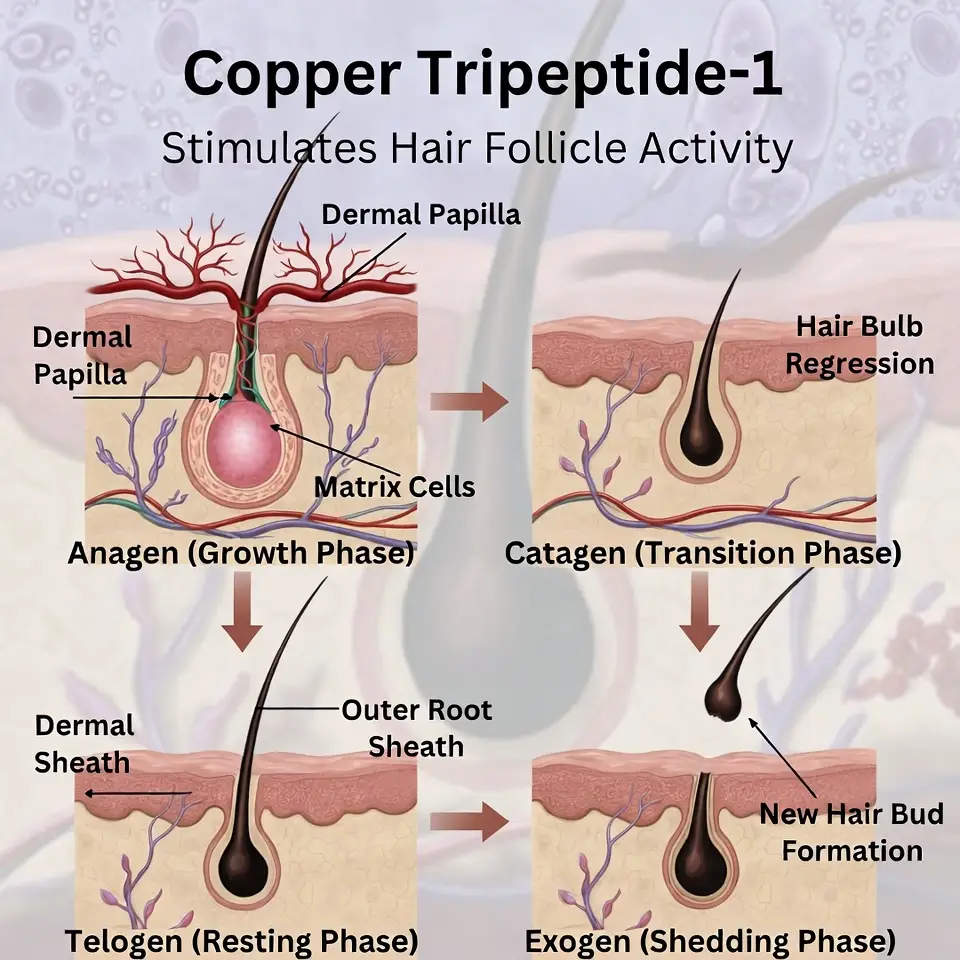
GHK-Cu Hair Follicle Regeneration
The versatility of copper peptide injections extends beyond beauty, impacting health and vitality. Many individuals find copper peptide injections to be a beneficial addition to their health routines.
To summarize, copper peptide injections are a vital component in modern health practices, helping to mitigate the effects of aging and promote overall well-being.
By enhancing scalp perfusion, inhibiting DHT effects, and stimulating follicular cell proliferation, GHK-Cu supports hair density and extends the growth phase. Many patients notice reduced shedding within weeks and visible thickening over 3-6 months.
Accelerated Wound Healing and Scar Reduction
GHK-Cu steers healing toward organized repair rather than hypertrophic scarring by modulating TGF-beta 1. It’s very helpful in post-surgical and chronic wound care, resulting in faster closure and better cosmetic outcomes.
Systemic Anti-Inflammatory and Antioxidant Support
Circulating GHK-Cu protects against oxidative damage and inflammation. This results in less joint pain, more energy, and cognitive benefits described by my patients.
Other noted benefits include neuroprotective effects, better vascular health, and support for longevity. These findings are based on research and clinical observations.
Delivery Methods: GHK-Cu vs Topical Copper Creams
Topical formulations excel for localized epidermal benefits but face limited systemic absorption due to the skin barrier. Subcutaneous injections bypass this, enabling simultaneous whole-body effects on skin, hair, joints, and internal tissues. For comprehensive rejuvenation goals, injections under supervision offer clear advantages, though topicals remain excellent adjuncts or primary options for milder needs.
Comparing Giants: GHK-Cu vs BPC-157 for Recovery
BPC-157 supports rapid injury repair, angiogenesis, and gut protection. GHK-Cu excels at long-term tissue remodeling and gene support. When stacked, BPC-157 aids rapid vascular repair, while GHK-Cu builds structure. This often brings great results in complex cases.
The Practical Guide: Preparation, Dosage, and Administration
How to Reconstitute Lyophilized GHK-Cu
Use bacteriostatic water (0.9% benzyl alcohol) for stability. For a 50mg vial, 5 mL of water yields a 10mg/mL concentration. Gently roll to dissolve; refrigerate immediately.
Proper GHK-Cu Dosage for Anti-Aging
Standard protocols range from 0.5-2.5mg daily subcutaneously, often starting at 1mg and titrating based on response and tolerance. Cycles of 4-8 weeks on, equal time off, help maintain efficacy and mineral balance. Individualize under medical guidance with lab monitoring.
Subcutaneous GHK-Cu Injection Protocol
Target abdominal fat, love handles, or thighs. Use 31-gauge insulin syringes. Mild stinging is common; dilution or co-administration with BPC-157 can mitigate it.
How Long to See Results from GHK-Cu?
Energy and inflammation can improve in 1-2 weeks. Skin changes show in 4-8 weeks. Hair benefits appear in 3-6 months or more. Tissue remodeling improves with ongoing use.
Navigating the Risks: Potential Side Effects and Toxicity
copper peptide injections are usually safe at therapeutic doses. Still, caution and monitoring are essential.
Immediate and Mild Side Effects: Injection site redness, itching, or welts are frequent but transient. Initial fatigue or headaches may occur during the adaptation period.
The Danger of Mineral Imbalance: Systemic copper can compete with zinc absorption. Supplement with zinc (15-30mg) during cycles and monitor levels to prevent depletion that can affect immunity and hormones.
Toxicity is rare at standard doses. Watch for metallic taste, nausea, nervous system changes, or jaundice. Avoid in Wilson’s disease. Always do baseline and follow-up labs.
Injectable GHK-Cu is not FDA-approved for specific uses. Compounding rules vary by region. Only use it under the supervision of a licensed medical provider.
Ultimately, utilizing copper peptide injections in a therapeutic context can yield significant benefits for skin health and rejuvenation.
Actionable Takeaways for a Successful GHK-Cu Protocol
- Source pharmaceutical-grade, third-party tested GHK-Cu.
- Prioritize lab monitoring and zinc co-supplementation.
- Cycle appropriately and listen to your body.
- Consider synergistic stacking with BPC-157 or other regenerative tools when appropriate.
- Combine with foundational lifestyle practices: nutrient-dense diet, sleep optimization, and stress management.
Conclusion
copper peptide injections are a remarkable tool in regenerative and anti-aging medicine. GHK-Cu has helped my patients regain skin vitality, hair density, and resilience when used in custom protocols. It remodels tissue, fights oxidative stress, and regulates gene expression. This makes it a valuable asset against the effects of aging and stress.
Success requires correct dosing, mineral balance, and medical oversight. As research advances, current data and clinical results support the use of GHK-Cu for deep healing when used with care.
Incorporating copper peptide injections into your healthcare routine can be a game-changer for rejuvenation and recovery.
This information is for education only. Peptide therapy must be individualized, so ask your doctor if GHK-Cu suits your goals and biology.
FAQ
What are the main benefits of copper peptide injections?
copper peptide injections (GHK-Cu) support collagen production, skin elasticity, hair growth, wound healing, and systemic anti-inflammatory effects by modulating gene expression and tissue remodeling. Many patients experience visible rejuvenation and improved recovery within weeks to months. Safety note: Use under medical supervision with lab monitoring.
Are GHK-Cu injections safe?
At therapeutic doses with proper monitoring, GHK-Cu has a favorable safety profile. Mild injection site reactions are common. Serious risks, such as copper toxicity, are rare but require vigilance, especially regarding zinc balance and contraindications such as Wilson’s disease. Always consult a physician.
How do I reconstitute and dose GHK-Cu for injections?
Reconstitute lyophilized powder with bacteriostatic water (e.g., 5mL for 50mg vial). Typical dosage: 1-2mg daily subcutaneously. Cycle 4-8 weeks on/off. Individualize based on goals and labs.
What is the difference between GHK-Cu injections and topical copper peptides?
Injections provide systemic effects throughout the skin, hair, joints, and organs, while topicals primarily benefit local areas and are less well absorbed. Injections suit comprehensive rejuvenation goals.
Can GHK-Cu help with hair loss?
Yes, through improved scalp blood flow, DHT modulation, and follicle stimulation. Results often appear over 3-6 months of consistent use.
Does GHK-Cu cause zinc depletion?
It can contribute to a relative zinc imbalance with prolonged use. Supplement zinc and monitor levels to maintain homeostasis.
How does GHK-Cu compare to BPC-157?
BPC-157 excels in acute angiogenesis and gut/tendon repair; GHK-Cu in long-term remodeling and anti-aging. They complement each other effectively in stacks.
What are the signs of copper toxicity from peptides?
Metallic taste, nausea, fatigue, neurological symptoms, or jaundice. Seek immediate medical attention and discontinue if suspected.
How long will it take to see results from GHK-Cu injections?
Inflammation and energy: 1-2 weeks; skin: 4-8 weeks; hair: 3-6 months. Full benefits accumulate with consistent cycles.
Who should avoid copper peptide injections?
Individuals with Wilson’s disease, copper metabolism disorders, or those without proper medical supervision. Pregnant or breastfeeding individuals should avoid.
Why copper peptide injections Appear in Skin Education
Clear copper peptide injections education helps readers separate research summaries from unsupervised protocol screenshots.
Most practical questions cluster around GHK-Cu identity, handling language, monitoring habits, and when to escalate care.
A careful copper peptide injections briefing emphasizes that published discussions are not individualized prescriptions.
Medical history, medications, and skin goals change how any research note should be interpreted.
Safety Boundaries for copper peptide injections Readers
Stop and seek professional care for severe allergic signs, concerning injection-site reactions, or other urgent symptoms.
Educational copper peptide injections guides are not emergency care.
Pregnancy, breastfeeding, copper metabolism disorders, and interacting medications change risk.
Authenticity matters. Gray-market vials introduce purity unknowns that no carefully worded benefit chart can correct.
Evidence Habits When Evaluating Claims
Verify bold rejuvenation or healing claims against indexed literature.
Start with PubMed searches related to GHK-Cu and copper peptides.
Then compare consumer language with agency guidance from the FDA when products make drug-like promises.
Cross-check related literacy using our GHK-Cu skincare guide, copper tripeptide-1 therapy guide, and peptide side effects guide.
Strong copper peptide injections education distinguishes mechanism papers, small observational notes, and larger controlled outcomes.
Monitoring Habits That Improve Interpretation
Track skin changes, irritation, sleep, and product stacking alongside any copper peptide injections education log.
Without those anchors, people credit or blame peptides for lifestyle or skincare noise.
Introduce one variable at a time when evaluating research materials.
A calm weekly review of notes beats improvisation over days.
Handling and Storage Context
Identity, cold-chain habits, and open-vial windows protect interpretation of any experiment.
Degraded material creates confusing responses that get blamed on “wrong protocol” rather than handling failure.
Store according to label guidance and avoid unnecessary freeze-thaw cycles.
If packaging arrives warm, unlabeled, or with broken seals, do not use it as a learning tool.
Common Myths Around copper peptide injections Narratives
Myth one: a single injection chart equals personalized medicine. Individual response varies with history and context.
Myth two: more aggressive use always means clearer benefits. Adding intensity faster than you can monitor usually increases noise.
Myth three: social media protocols are validated endpoints. They are anecdotes.
Strong copper peptide injections education keeps anecdote, mechanism, and controlled outcome tiers separate.
When to Pause and Escalate Care
Escalate promptly for severe allergic signs, breathing difficulty, spreading infection signs, or neurologic red flags.
Educational reading is never a substitute for emergency evaluation.
Mild injection-site irritation or transient redness deserve documentation and clinician discussion if they persist.
If pregnancy, breastfeeding, Wilson disease concerns, or uncontrolled chronic disease is part of your history, seek personalized medical guidance first.
Building a Durable Learning Framework
A durable copper peptide injections framework includes clear identity language, evidence-quality checks, lifestyle and skincare anchors, and clinician escalation rules.
Revisiting that checklist whenever brands change keeps comparisons fair.
Teach process over hype: how to read a label, how to introduce one variable at a time, and how to verify claims beyond social media.
Used this way, copper peptide injections information becomes practical research literacy rather than a miracle-skin narrative.
A Practical Monthly Review Checklist
Once a month, review inventory dates, label clarity, irritation notes, and photo-consistent skin observations.
Discard anything that looks separated, strongly discolored, or poorly labeled.
Revisit primary literature when claims escalate. Mechanism summaries are not the same as large outcome trials.
Finally, keep goals specific: support barrier comfort, understand GHK-Cu context, or improve skincare literacy—not vague “look 20 years younger overnight” promises.
Key Takeaways for Careful Readers
copper peptide injections remain popular because skin rejuvenation search behavior is strong.
The most useful guides pair GHK-Cu context with evidence humility and safety fundamentals.
Stay curious, stay skeptical, and keep documentation.
Treat this article as research and consumer education—not medical advice, diagnosis, dosing instruction, or a substitute for licensed care.
Keep validating these injections claims against primary sources as formulations and regulations evolve.
Reading Research Without Over-Interpreting
Animal data, small human pilot notes, and larger controlled trials are different evidence tiers.
Consumer copy often collapses them into one definitive claim. Keep the tier visible when you evaluate marketing language.
Ask what endpoint was measured: collagen markers, wound appearance, subjective skin quality, or safety labs.
Mechanism language is not the same as a clinically meaningful outcome for every reader.
When citations are missing or misused, treat the claim as unverified.
Putting Insights Into Daily Practice
Translate each educational insight into a measurable habit.
If barrier comfort is the goal, track irritation and product stacking before chasing new compounds.
Education works best as a closed loop: choose one primary goal, measure two or three signals, and review weekly.
Keep clinician communication ready. Bring your log, labels, and timeline to appointments instead of screenshots alone.
A short closing habit: once a month, reread labels and discard anything poorly labeled or past its open window.
Practical literacy also means documenting confounders such as travel, illness, new skincare actives, and sleep debt before changing any plan based on short-term appearance changes alone.