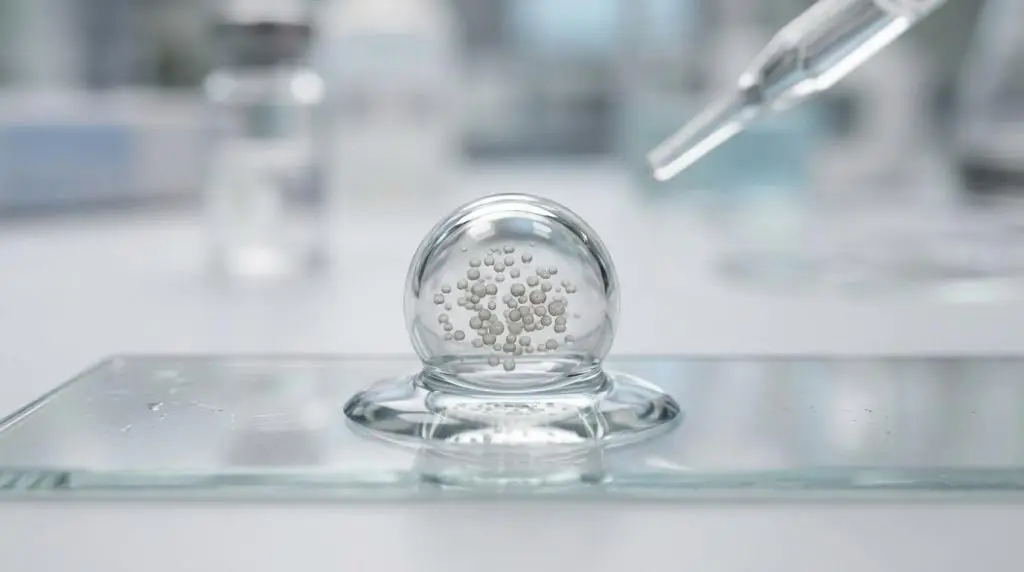


Explore how bioactive peptides can enhance immunity, metabolism, and blood pressure management for better overall health. bioactive peptides sit at an interesting point between nutrition and physiology. They are small protein fragments, often released from familiar foods, that have been studied for effects far beyond basic protein intake. Instead of serving only as raw aterial for muscle, enzymes, or tissue repair, these fragments may interact with signaling systems involved in blood pressure, inflammation, immunity, metabolism, and more.

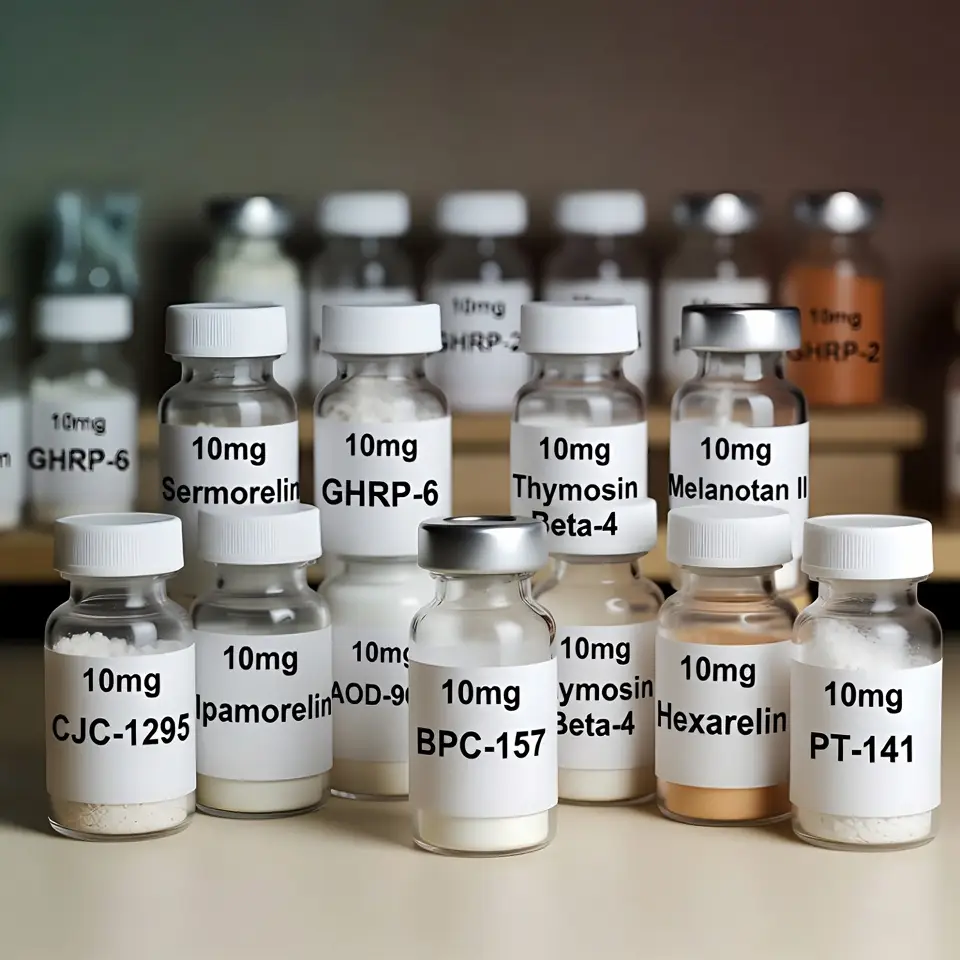

That is why they matter. A protein is not always just a protein. Once it is cut into smaller pieces, some of those pieces may act in ways that resemble targeted biological signals rather than simple nutrition. The excitement around bioactive peptides is real, but so is the main scientific bottleneck: many promising peptides do not survive digestion or reach tissues in a form that preserves their activity intact.
Bioactive peptide definition and common food sources
Dietary bioactive peptides are generally defined as peptide fragments derived from food proteins that can modulate physiological functions. Recent reviews often describe them as short chains of amino acids, typically 2 to 20 residues. That small size matters because it helps explain why they may interact with enzymes, receptors, and transport systems in ways that larger proteins cannot.
A useful way to think about them is this: the larger parent protein contains hidden sequences with potential activity. Those sequences remain silent until the protein is broken down by digestion, enzymatic processing, or fermentation. Once released, the peptide may exhibit antioxidant, antihypertensive, anti-inflammatory, antimicrobial, or immunoregulatory effects in laboratory and animal models, and, in some cases, in human studies.
Food sources studied for bioactive peptides cover a wide range of everyday proteins:
- dairy proteins
- eggs
- soy
- fish
- meat
- legumes
- cereal grains
- fermented foods
That broad source list helps explain why the topic continues to gain attention in nutrition science. bioactive peptides are not limited to exotic compounds or specialty ingredients. They can arise from ordinary foods, which makes their clinical and public health potential especially compelling.
How food proteins release bioactive peptides
Reviews of the field repeatedly point to three main routes of generation. The first is normal digestion in the gastrointestinal tract. The second is controlled enzymatic hydrolysis during food processing or ingredient production. The third is microbial fermentation, in which selected microbes break proteins into smaller, more active fragments.
These routes matter because the same food protein can produce different peptides depending on how it is processed. A fermented dairy product, an enzyme-treated whey hydrolysate, and digestion of intact casein inside the body may all yield overlapping but not identical peptide profiles. Small differences in cleavage sites can change a peptide’s sequence, charge, solubility, and biological activity.
Researchers usually focus on these main production pathways:
- Digestive enzyme hydrolysis: peptides released during normal digestion by enzymes in the stomach and small intestine
- Proteolytic enzyme hydrolysis: peptides generated during controlled processing with selected enzymes
- Microbial fermentation: peptides formed when bacteria or other microbes break down food proteins during fermentation
Fermentation deserves special attention. Reviews on fermented foods note that microbial strain selection and processing conditions can shape both the amount and the type of bioactive peptides produced. That means a food can gain different nutraceutical attributes depending on the fermentation method, not just the original protein source.
Physiological effects linked to bioactive peptides
The list of reported activities is impressive. Across reviews, bioactive peptides are linked most often to cardiovascular, immune, inflammatory, and metabolic effects. Other reported activities include antioxidation, antithrombosis, antibacterial action, cholesterol lowering, mineral binding, and opioid-like activity.
Still, the phrase “linked to” matters here. Much of the literature comes from in vitro experiments, simulated digestion studies, animal data, and early human work. The biological signal may be genuine, yet the size of the effect in real-world oral use depends on dose, sequence, stability, and absorption.
| Research area | Reported activity in the literature | Main caveat |
|---|---|---|
| Cardiovascular health | Antihypertension, ACE-inhibitory effects, antithrombosis | Oral delivery may reduce active peptide exposure |
| Immune function | Immunoregulation | Human evidence is uneven |
| Inflammation | Anti-inflammatory effects | Activity in cell models may not match oral use |
| Metabolic health | Anti-diabetic, anti-obesity, and cholesterol-lowering effects | Dose and bioavailability vary widely |
| Antimicrobial and antioxidant activity | Direct effects against microbes or oxidative stress in lab systems | Translation to living humans is less direct |
| Mineral handling and neuroactive effects | Mineral binding, opioid-like effects | Sequence-specific and highly context-dependent |
Some classic examples from the literature show why even small amounts of peptides can matter. Reviews have noted that the digestion of food proteins can generate meaningful luminal concentrations of certain peptides. One often-cited case is beta-casomorphin-7 derived from beta-casein. The broader point is not that every food protein reliably produces a clinically relevant dose, but that nutritionally small fragments may still have physiological significance.
That idea keeps the field lively. It also keeps it honest. A peptide does not need to be abundant to matter, but it does need to reach the right place in the right form.
Oral bioavailability and digestion barriers for bioactive peptides
This is where the science gets more demanding.
A peptide can look excellent in a test tube and still struggle as an oral ingredient. Recent reviews emphasize that gastrointestinal enzymes, pH shifts, the mucus layer, and intestinal mucosal cells all act as barriers that reduce oral bioavailability. In simple terms, the body is very good at breaking down proteins and peptides down, which is helpful for normal digestion but makes it difficult for researchers hoping to preserve a specific active fragment.
The challenge starts early. Stomach acid and digestive enzymes begin cutting proteins and peptides into smaller pieces. By the time a peptide reaches the small intestine, it may already be altered. If it survives that stage, it still has to move through mucus and cross the intestinal barrier. Some peptides do this better than others, depending on their size, amino acid sequence, charge, and structure.
Several barriers tend to limit oral activity:
- Stomach acid and pH changes: these can destabilize sensitive peptide structures
- Gastrointestinal enzymes: these enzymes may cut an active peptide into inactive fragments
- Mucus layer: This acts as a physical and chemical filter before absorption
- Intestinal mucosal cells: transport across the gut wall is selective, not automatic
This helps explain a common gap in the literature. A peptide may show strong enzyme inhibition, antioxidant activity, or anti-inflammatory effects in controlled experiments, yet produce modest or inconsistent results after oral intake in humans. The science is not necessarily wrong. The route of delivery may simply be working against the molecule.
That bottleneck is central to why bioactive peptides matter and why peptide research remains so active. If a peptide can be generated reliably and delivered intact, the path from food protein to measurable physiology becomes much stronger.
Delivery systems being studied for bioactive peptides
Because oral stability is such a limiting step, formulation research has become a major focus. Scientists are studying delivery systems that can protect peptides during digestion and improve their absorption in the intestine.
Recent reviews mention several platforms under investigation, including liposomes, emulsions, polymer nanoparticles, and hydrogels. Each aims to solve a similar problem with a different engineering strategy. Some try to shield peptides from enzymes. Others try to improve residence time in the gut or help peptides cross the intestinal barrier more efficiently.
This does not mean every peptide needs a sophisticated carrier to be useful. Some peptides may act locally in the gut, and some may be stable enough to survive better than expected. Yet many of the boldest health claims around food-derived peptides depend on systemic exposure, and that usually raises the bar for formulation quality.
A practical reading of the evidence should separate two questions:
- Does the peptide show interesting biological activity?
- Can oral delivery preserve that activity in humans?
A lot of promising work answers the first question. Fewer studies answer the second with the same confidence.
How fermentation changes bioactive peptide potential
Fermentation is one of the most promising and most variable ways to generate bioactive peptides. When microbes act on proteins, they release peptide fragments that may differ meaningfully from those produced by digestion alone. That gives fermented foods a special place in this field.
The value of fermentation is not just that it creates peptides. It can also shift taste, texture, digestibility, and the broader food matrix, all of which may affect how peptides behave after consumption. As P.A. Teknik points out, instrumental texture analysis helps quantify matrix changes that can influence how and when bioactive fragments are released, and how much remains available after oral delivery. The catch is consistency. Strain selection, temperature, pH, fermentation time, and substrate choice all influence peptide quantity and quality. Two products derived from the same starting protein can have different peptide fingerprints and different biological profiles.
That variability is not a weakness of the field. It is a reminder that food-based peptide science is both biochemical and process-dependent.
How to assess bioactive peptide claims in foods and supplements
For readers evaluating products, studies, or marketing language, a few questions can keep the topic grounded. The first is whether the claimed peptide has actually been identified by sequence, rather than merely assumed to be present because the source food is rich in protein. The second is whether the evidence comes from cell work, animal studies, or human trials. The third is whether researchers tested stability during digestion.
A good claim usually gives more than a broad statement about “protein peptides” or “functional fragments.” It describes the source, the release method, the proposed activity, and some evidence that the peptide survives long enough to matter. Without those details, the science can sound stronger than it is.
When reviewing peptide-related claims, these checkpoints help:
- Source clarity: what parent protein produced the peptide?
- Generation method: was it released by digestion, enzymatic hydrolysis, or microbial fermentation?
- Evidence level: Are the findings from in vitro work, animal studies, or human research?
- Delivery question: Was oral stability or bioavailability actually tested?
- Does realism: does the studied amount match plausible intake from food or a supplement?
This is also where a vendor-neutral mindset helps. The most useful peptide information is not the loudest claim. It is the claim with the clearest chain of evidence from protein source to peptide release to physiological effect to oral delivery.
bioactive peptides remain one of the most promising areas in nutrition and peptide science because they directly connect food, processing, and physiology in a direct way. The field is moving forward, and the strongest progress is coming from work that treats digestion and delivery as seriously as biological activity. That is where the most credible answers are likely to come from next.
Why bioactive peptides Matter in Health Literacy
Clear bioactive peptides education helps readers separate food-derived peptide research from unsupervised supplement claims.
Most practical questions cluster around sources, evidence quality, safety boundaries, and how these fragments differ from intact dietary protein.
A careful bioactive peptides briefing emphasizes that published discussions are not individualized prescriptions.
Medical history, medications, and metabolic goals change how any research note should be interpreted.
Safety Boundaries for bioactive peptides Readers
Stop and seek professional care for severe allergic signs or other urgent reactions after exposure discussions.
Educational bioactive peptides guides are not emergency care.
Pregnancy, breastfeeding, uncontrolled medical conditions, and interacting medications change risk.
Authenticity matters. Gray-market products introduce purity unknowns that no carefully worded health chart can correct.
Evidence Habits When Evaluating bioactive peptides Claims
Verify bold immunity, metabolism, or blood-pressure claims against indexed literature.
Start with PubMed searches related to bioactive peptides pathways.
Then compare consumer language with agency guidance from the FDA when products make drug-like promises.
Cross-check related literacy using our peptide side effects guide, gut health peptides guide, and peptide hormone guide.
Strong bioactive peptides education distinguishes mechanism papers, small observational notes, and larger controlled outcomes.
Immunity, Metabolism, and Blood Pressure Context
Immunity-related bioactive peptides discussions often sit beside nutrition and inflammation literacy.
They should not collapse into guaranteed immune-boost slogans.
Metabolic narratives around bioactive peptides usually involve appetite, energy use, or peptide signaling hypotheses.
Blood-pressure related language deserves the same humility: mechanism interest is not a substitute for clinical care.
Keep lifestyle anchors visible—sleep, protein quality, movement, and clinician-guided therapy when indicated.
Monitoring Habits That Improve Interpretation
Track diet quality, sleep, stress load, and relevant labs with a clinician when evaluating bioactive peptides education.
Without those anchors, people credit or blame peptides for lifestyle noise.
Introduce one variable at a time when evaluating research materials or food-source changes.
A calm weekly review of notes beats improvisation over days.
Food Sources Versus Concentrated Products
Many bioactive peptides are discussed as fragments released from milk, eggs, fish, plants, or fermented foods.
Concentrated products raise different purity, labeling, and dose-language questions than everyday meals.
Prefer transparent sourcing and clear identity language for any bioactive peptides material you evaluate.
If packaging lacks identity detail, skip it—authenticity problems create confusing responses.
Common Myths Around bioactive peptides Narratives
Myth one: a single food peptide equals personalized medicine. Individual response varies with history and context.
Myth two: more aggressive supplementation always means clearer benefits. Adding intensity faster than you can monitor usually increases noise.
Myth three: social media protocols are validated endpoints. They are anecdotes.
Strong bioactive peptides education keeps anecdote, mechanism, and controlled outcome tiers separate.
When to Pause and Escalate Care
Escalate promptly for severe allergic signs, breathing difficulty, or concerning blood-pressure changes.
Educational reading is never a substitute for emergency evaluation.
Mild digestive changes or headache language deserve documentation and clinician discussion if they persist.
If pregnancy, breastfeeding, or uncontrolled chronic disease is part of your history, seek personalized medical guidance first.
Building a Durable bioactive peptides Learning Framework
A durable bioactive peptides framework includes clear identity language, evidence-quality checks, lifestyle anchors, and clinician escalation rules.
Revisiting that checklist whenever brands change keeps comparisons fair.
Teach process over hype: how to read a label, how to introduce one variable at a time, and how to verify claims beyond social media.
Used this way, bioactive peptides information becomes practical research literacy rather than a miracle-health narrative.
A Practical Monthly Review Checklist
Once a month, review labels, diet patterns, sleep averages, and any clinician-tracked markers relevant to your goals.
Discard anything poorly labeled or past its open window when using concentrated products.
Revisit primary literature when claims escalate. Mechanism summaries are not the same as large outcome trials.
Finally, keep goals specific: support metabolic habits, understand blood-pressure literacy, or improve diet quality—not vague “feel amazing forever” promises.
Key Takeaways for Careful Readers
bioactive peptides remain popular because immunity, metabolism, and cardiovascular search behavior is strong.
The most useful guides pair research context with evidence humility and lifestyle fundamentals.
Stay curious, stay skeptical, and keep documentation.
Treat this article as research and consumer education—not medical advice, diagnosis, or a substitute for licensed care.
Keep validating these peptides claims against primary sources as formulations and regulations evolve.
Closing Perspective
Health outcomes are multifactorial. Diet, sleep, stress, medications, and genetics all matter.
Peptide-related education can add mechanism literacy, but it does not erase those foundations.
Revisit PubMed and FDA context when claims escalate, and use internal guides to round out practical literacy.
Compare disclosed identity, evidence citations, and contraindication language side by side before trusting aggressive marketing.
Batch transparency matters more than influencer endorsements when evaluating concentrated products.
Keep a simple comparison sheet: identity, evidence quality, lifestyle anchors, and clinician-relevant contraindications.
That sheet prevents impulse stacking when a new brand launches with aggressive before-and-after galleries.
A short closing habit: once a month, reread labels and discard anything poorly labeled or past its open window.