

gut health peptides are worth following, especially the most potent gut health peptides like GLP-2 analogs for short bowel syndrome. Many other gut health peptides remain earlier-stage tools for studying intestinal inflammation, permeability, and barrier repair, making gut health peptides a crucial area of research.
TL;DR: Summary
- GLP-2 analogs are the most credible gut health peptides in current research, especially for short bowel syndrome, where teduglutide is the clinical benchmark and glepaglutide is supported by a phase 3 trial.
- If the goal is improved intestinal absorption or reduced parenteral support, GLP-2 analogs lead the field because human randomized data exist and the mechanism is well defined through intestinal adaptation.
- If the goal is barrier biology or inflammation research, KPV and food-derived bioactive peptides are worth watching but remain mostly preclinical, with evidence concentrated in animal models and mechanistic studies.
- Intestinal barrier dysfunction is a central reason these peptides matter because increased permeability can contribute to dysbiosis, microbial translocation, immune activation, and chronic inflammation.
- Do not treat all “gut peptides” as interchangeable: approved drugs, investigational peptides, and online-discussed compounds differ sharply in evidence quality, route of administration, regulation, and clinical relevance.
- The most useful way to read this field is by endpoint: short bowel syndrome studies prioritize absorption and parenteral support, while barrier studies focus on permeability, inflammatory markers, mucosal structure, and microbiome shifts.
That difference matters because “gut health” is a broad label. A peptide that helps intestinal absorption in a patient with short bowel syndrome is not automatically the right reference point for colitis, intestinal permeability, or general wellness claims.

For those interested in gut health peptides, understanding their mechanisms and clinical applications is vital.
What do gut health peptides actually do?
gut health peptides fall into distinct categories. Teduglutide and glepaglutide target intestinal absorption and adaptation, while KPV and food-derived peptides are mainly being studied for anti-inflammatory and barrier-related effects.
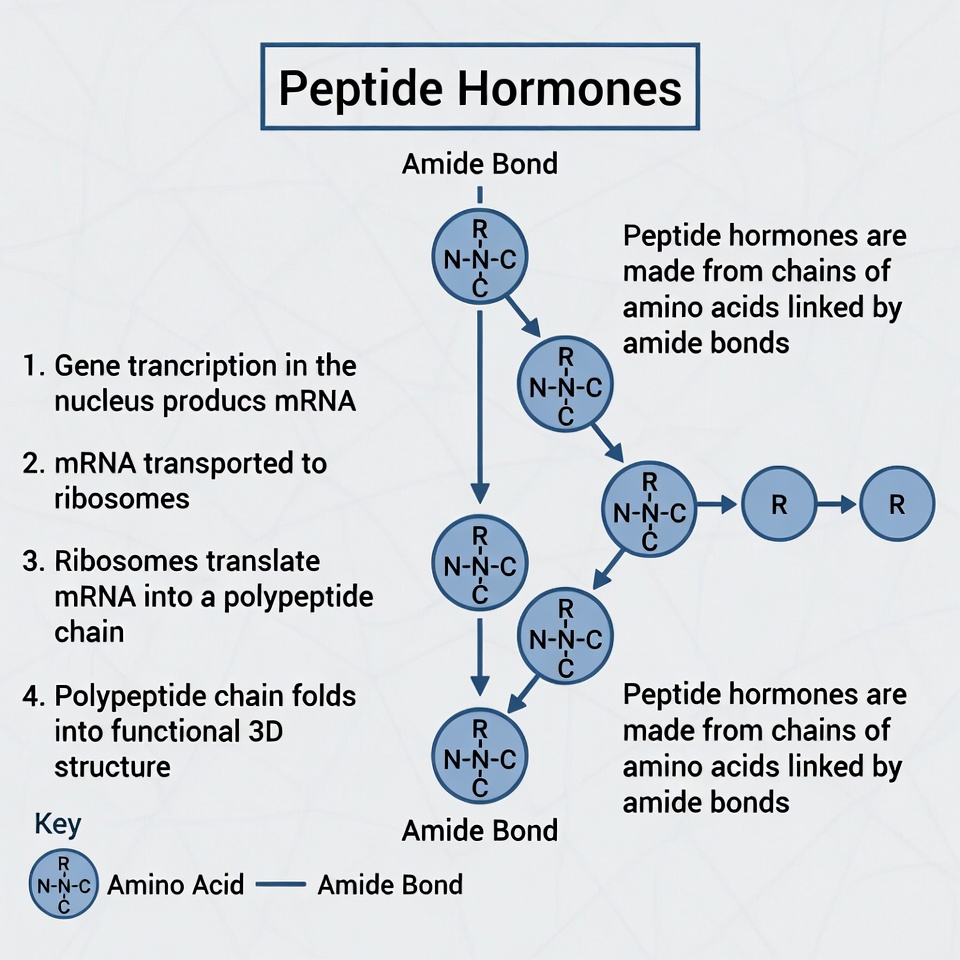
The clearest dividing line is mechanism. GLP-2 analogs act like glucagon-like peptide 2, an enteroendocrine hormone involved in intestinal adaptation. That makes them especially relevant in short bowel syndrome, where reduced absorptive surface area drives dependence on parenteral support. By contrast, peptides like KPV are being examined for local immune and inflammation effects in intestinal models, not for restoring large-scale nutrient absorption in humans.
A common mistake is assuming that any peptide discussed in gut forums belongs in the same evidence bucket. It does not. In this field, the right first question is not “does it help the gut?” but “which gut problem, in which population, with which endpoint?”
“Your Peptide Guide focuses on physician-informed, vendor-neutral peptide education instead of selling peptide products.”
Why is intestinal barrier function central to gut peptide research?
Intestinal barrier biology is the main research frame. PubMed reviews describe four layers of the barrier, and barrier damage can connect dysbiosis to immune activation and chronic inflammation.
When considering the role of gut health peptides, it’s essential to explore how they impact overall wellness.
A 2024 review described the intestinal barrier as microbiological, chemical, physical, and immunological. When permeability rises pathologically, researchers increasingly connect that shift to dysbiosis, microbial translocation into intestinal tissue, downstream immune response, and persistent inflammatory signaling. That is the mechanistic reason many candidate gut peptides are being studied at all.
As research into gut health peptides grows, the significance of these compounds becomes clearer in supporting digestive health.
This also clears up a frequent misconception. “Leaky gut” is not a single disease label with one peptide solution. If barrier dysfunction is part of the picture, then the real question becomes which layer is impaired and whether the peptide is expected to affect mucus, tight junction signaling, epithelial turnover, local immunity, or microbial ecology.
What are the 8 gut health peptides worth following in research now?
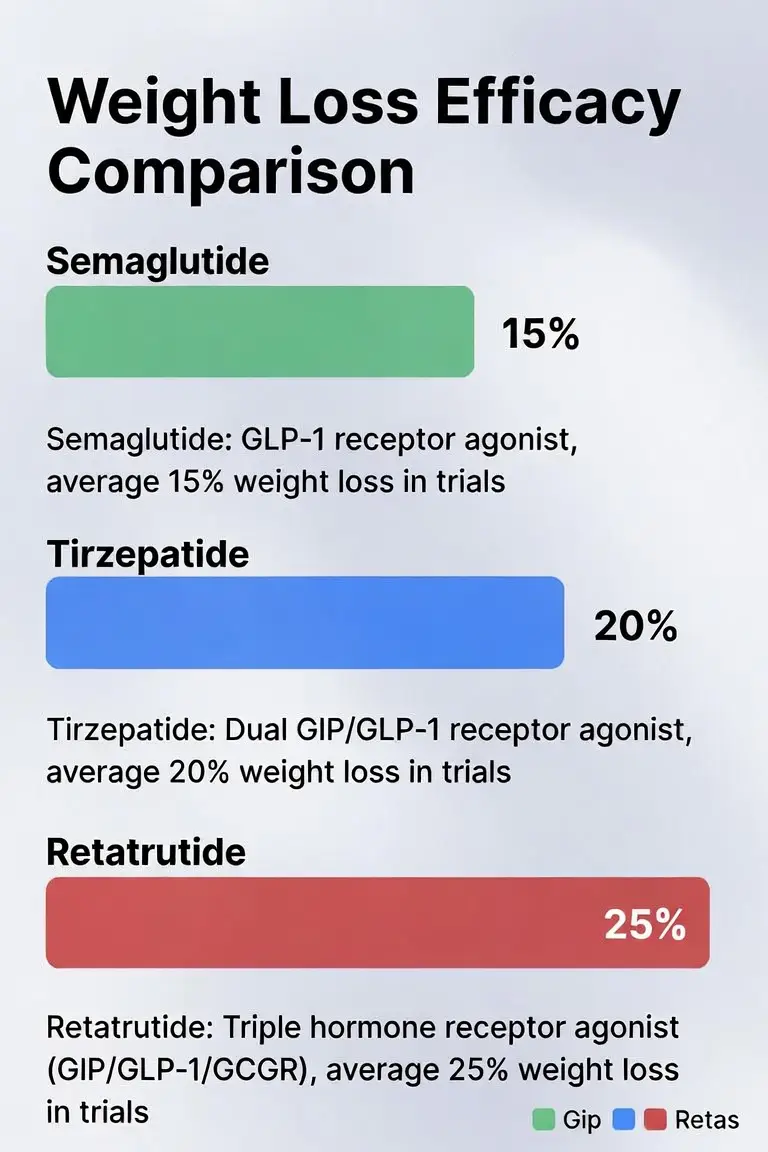
The best list mixes proven GLP-2 analogs with earlier barrier and inflammation candidates. Teduglutide and glepaglutide lead on human relevance, while KPV and several peptide classes are still mainly preclinical.
Further studies on gut health peptides are expected to reveal more about their applications in treating various gastrointestinal disorders.
The list below is ranked by how useful each peptide is to follow for current gut research, not by hype or consumer popularity.
- Teduglutide: The clinical benchmark GLP-2 analog for short bowel syndrome. The EMA describes it as increasing intestinal absorption by increasing gut blood flow, slowing intestinal transit, and reducing gastric acid secretion.
- Glepaglutide: A long-acting GLP-2 analog with strong current visibility. A phase 3 randomized controlled trial enrolled 106 patients with short bowel syndrome and intestinal failure over 24 weeks.
- Apraglutide: Another long-acting GLP-2 analog worth tracking in intestinal rehabilitation research. It matters because dosing convenience and durability are major design goals in this class.
- Native GLP-2: Not the practical end point for most readers, but the reference hormone for the entire category. It remains essential for interpreting how analogs are engineered and compared.
- KPV: A tripeptide with anti-inflammatory activity in intestinal inflammation models. A PubMed study tested it in two mouse colitis models and linked part of the mechanism to PepT1 transport biology.
- Larazotide acetate: A barrier-focused peptide candidate often discussed in intestinal permeability research. It is more relevant to tight-junction signaling discussions than to short bowel syndrome.
- Lactoferrin-derived peptides: Food-derived bioactive peptides with interest in mucosal immunity and antimicrobial effects. Their value today is mostly mechanistic and preclinical.
- Milk- and food-derived bioactive peptides: A 2024 systematic review of 11 animal studies reported positive effects on inflammation and gut health, including TNF-alpha, NF-kB, TLR4, IgA, villus structure, and microbial diversity indices.
This ranking also reflects a useful rule. If a peptide already has a disease-specific clinical path, follow it for translation potential. If it mostly appears in animal colitis or barrier papers, follow it for mechanism, not near-term clinical certainty.
How do GLP-2 analogs compare with KPV and food-derived peptides?
GLP-2 analogs and KPV answer different questions. Teduglutide addresses intestinal absorption in humans, while KPV and food-derived peptides mostly probe inflammation and barrier biology in preclinical settings.
If your decision criterion is clinically meaningful gut-support research, GLP-2 analogs are the advanced class. They have disease-specific human data in short bowel syndrome, measurable clinical endpoints, and a defined therapeutic logic around intestinal adaptation. That gives them a higher evidence grade than peptides supported mainly by cell work, rodent colitis models, or food-peptide screening.
If your criterion is mechanistic insight, the picture changes. KPV is interesting because it links peptide transport, inflammation, and colonic biology. Food-derived peptides are interesting because they appear to alter inflammatory signaling and intestinal morphology in vivo. The trade-off is translation. Strong shifts in TNF-alpha, NF-kB, or villus height in animals do not guarantee human benefit.
How should you evaluate a gut health peptide study step by step?
A good reading sequence is endpoint, population, then formulation. PubMed and EMA documents become much easier to interpret when you sort studies in that order.
Start with the endpoint. Ask whether the study is measuring reduced parenteral support, increased intestinal absorption, lower stool output, improved histology, reduced inflammatory signaling, or a permeability marker. Those are not interchangeable wins. A peptide can look excellent on mucosal cytokines and still tell you little about nutrient absorption.
Next, inspect the population and model. A patient with short bowel syndrome and intestinal failure is not comparable to a mouse with chemically induced colitis. A common error is importing disease-specific results into broad “gut health” language.
Then check formulation, route, and trial length. Teduglutide is given as a once-daily subcutaneous injection according to the EMA. Glepaglutide’s phase 3 design used 10 mg once weekly and 10 mg twice weekly arms over 24 weeks. Those details matter because exposure pattern can shape both adherence and biological effect.
“Your Peptide Guide organizes peptide content by research goal, with protocol overviews and safety considerations that help readers compare evidence stages.”
How do teduglutide and glepaglutide compare in current evidence?
Current investigations into gut health peptides focus on defining their role in gastrointestinal health.
Teduglutide is the benchmark because it already defines what a successful GLP-2 analog looks like in short bowel syndrome management. The EMA describes its indication, prescription-only status, and the need for supervision by a doctor experienced in short bowel syndrome. That is the mature evidence-and-implementation profile.
Glepaglutide is compelling for a different reason. Its phase 3 randomized design gives it high research visibility, and the once-weekly versus twice-weekly 10 mg arms speak to a practical issue in peptide therapeutics: whether longer action can preserve effect while reducing treatment burden.
A pro tip here is simple: longer acting does not automatically mean better proven. If one peptide has regulatory use and another has promising late-stage trial data, compare them on evidence maturity first, then convenience second.
How can you match a peptide category to a gut health goal step by step?
With the rise of interest in gut health peptides, it becomes crucial to evaluate their clinical implications.
Step 1 is to name the actual goal. If the goal is short bowel syndrome support, the relevant category is GLP-2 analogs. If the goal is early-stage work on colitis, epithelial inflammation, or intestinal permeability, KPV and food-derived peptides become more relevant.
Step 2 is to match that goal to the evidence tier. Human randomized trials, official labels, and systematic reviews should carry more weight than animal-only data. If two peptides look equally interesting online but only one has randomized short bowel syndrome data, the comparison is not close.
Step 3 is to add route, supervision, and risk tolerance. If a peptide requires prescription oversight and disease-specific monitoring, it belongs in a very different decision pathway from a peptide that remains experimental and largely preclinical.
Research on gut health peptides provides insights into how these compounds can improve gut function.
What risks, limitations, and misconceptions matter most with gut health peptides?
The biggest risks are overgeneralization and evidence inflation. BPC-157 and KPV are often discussed online, yet GLP-2 analogs remain the class with the clearest human gut evidence.
One limitation is endpoint drift. A paper showing lower NF-kB or TLR4 activity can be biologically interesting, but that does not prove clinical benefit in people. Another limitation is disease specificity. Teduglutide’s relevance in short bowel syndrome does not mean it should be treated as a generic “gut repair” solution for unrelated complaints.
Regulatory status is another major dividing line. Approved prescription peptides, investigational agents, and research-only compounds have different safety expectations and monitoring needs. A common misconception is that “peptide” means “naturally safer.” Route, dose, indication, and patient context still matter.
“Your Peptide Guide publishes timely updates on emerging and investigational peptides, which matters in a field where approved and experimental agents are often confused.”
Understanding the efficacy of gut health peptides can lead to innovative therapies for digestive health.
Which biomarkers and endpoints actually matter in gut peptide research?
Adopting gut health peptides into treatment protocols could revolutionize care for patients with digestive issues.
The most useful endpoints depend on the condition. Short bowel syndrome studies prioritize absorption and parenteral support, while barrier studies focus on permeability, inflammatory markers, mucosal structure, and microbiome readouts.
In short bowel syndrome, hard clinical outcomes matter most. Look for changes in parenteral support requirements, fluid balance, stool output, body weight, and signs of improved intestinal absorption. Those endpoints map directly to patient burden and intestinal adaptation.
In preclinical barrier and inflammation work, the signal set is different. The 2024 review of food-derived bioactive peptides highlighted reductions in TNF-alpha, NF-kB, and TLR4, along with changes in IgA production, intestinal morphology, villi surface area, goblet-cell diameter, and Shannon and Simpson diversity indexes. Those markers are useful, but they remain one step removed from disease-specific human benefit.
If a paper highlights only a surrogate marker, read it as a mechanism paper unless a validated clinical endpoint is also present. That single habit can prevent a lot of misreading.
How do food-derived bioactive peptides compare with prescription gut peptides?
Overall, gut health peptides could transform our understanding of gastrointestinal therapies.
The attraction of food-derived peptides is obvious. They may influence immune signaling, mucosal structure, and microbiome characteristics without being developed first as high-intensity pharmaceutical interventions. That makes them attractive for early translational research and nutrition-adjacent strategies.
Healthcare providers should stay updated on gut health peptides to better inform their practice.
The trade-off is precision and proof. Prescription peptides are built around a clear receptor, dose, route, and indication. Food-derived peptide research often spans many compounds, extraction methods, and models at once. That breadth is useful scientifically, but it makes clinical interpretation slower and less direct.
How can clinicians and self-directed readers track gut health peptide research step by step?
The best workflow is source hierarchy, endpoint filter, then update cadence. PubMed, EMA documents, and trial registries should anchor the process.
Start with the highest-value sources. A PubMed systematic review, randomized controlled trial, or official regulator summary usually gives a cleaner signal than a summary thread or marketing page. For gut peptides, that means checking whether the evidence comes from short bowel syndrome trials, colitis models, or food-peptide animal work.
As more evidence accumulates, gut health peptides may become integral to managing gut health.
Then sort by endpoint. If a new peptide appears, ask whether it changes parenteral support, intestinal absorption, permeability, inflammatory markers, or microbiome diversity. If the study does not specify a meaningful endpoint, it is harder to place in the field.
Last, track updates by category rather than by hype cycle. One practical method is to follow GLP-2 analogs, barrier-focused peptides, and food-derived bioactive peptides as separate lanes. That keeps approved agents, late-stage candidates, and early mechanistic compounds from being blurred together.
The exploration of gut health peptides in clinical trials is essential for advancing knowledge in this domain.
Monitoring the developments surrounding gut health peptides will be vital for the future of digestive health.
Why gut health peptides Stay High on Research Watchlists
gut health peptides attract attention because barrier integrity, motility signaling, and mucosal immune tone sit at the center of many chronic digestive conversations. A clear gut health peptides briefing helps readers separate human-trial leaders from early preclinical candidates without collapsing every compound into one “gut healing” slogan.
Practical literacy around gut health peptides usually asks three questions: what endpoint was measured, in which population, and how far the evidence sits from clinical care. Answering those questions keeps GLP-2 analogs, food-derived fragments, and exploratory anti-inflammatory peptides in the right evidence tier.
When comparing sources on gut health peptides, prefer indexed summaries over anonymous protocols. Mechanism charts are useful, but only when paired with study design notes and safety boundaries.
Evidence Habits for Evaluating gut health peptides Claims
Start with primary indexes. Searches on PubMed help verify whether a gut health peptides claim is anchored in peer-reviewed work rather than sales copy.
Then compare educational language with agency context from the FDA when products are marketed for human use. Approved indications and warning language remain stronger anchors than forum dosing charts.
Cross-check related literacy using our peptide side effects guide, peptide storage and stability guide, and immune peptides research guide. Handling quality and host-defense context often sit beside gut health peptides discussions.
Building a Durable Framework for gut health peptides Learning
A durable gut health peptides framework includes: compound class, primary pathway, evidence tier, key biomarkers, and open safety questions. Updating that framework whenever headlines appear prevents fragmented bookmarking.
Document unanswered questions before clinician or mentor conversations. Asking which endpoint would change interpretation of a gut health peptides finding turns general reading into actionable preparation.
Separate research curiosity from unsupervised experimentation. High-quality education clarifies what is established, what is investigational, and what remains anecdotal for any gut health peptides topic.
Key Takeaways for Readers Following gut health peptides
Researchers follow these digestive messengers because barrier, motility, and mucosal immune pathways shape digestive outcomes people care about. The most useful guides explain evidence tiers instead of promising uniform repair.
Use this overview as a briefing for further study—not medical advice, diagnosis, or a substitute for licensed care. Keep validating this peptide class claims against primary sources as the field evolves.
A practical closing habit: keep a simple table with compound name, claim, cited study or label section, and missing safety language. Gaps in that table usually reveal where internet summaries overreach. Filling those gaps is better education than copying a single optimistic sentence into personal decision-making.