


If you are researching selank dosage, you probably do not need another peptide sales page. Your Peptide Guide provides physician-informed, evidence-based selank dosage guidance for readers who want clear, practical research context before making any next decision.
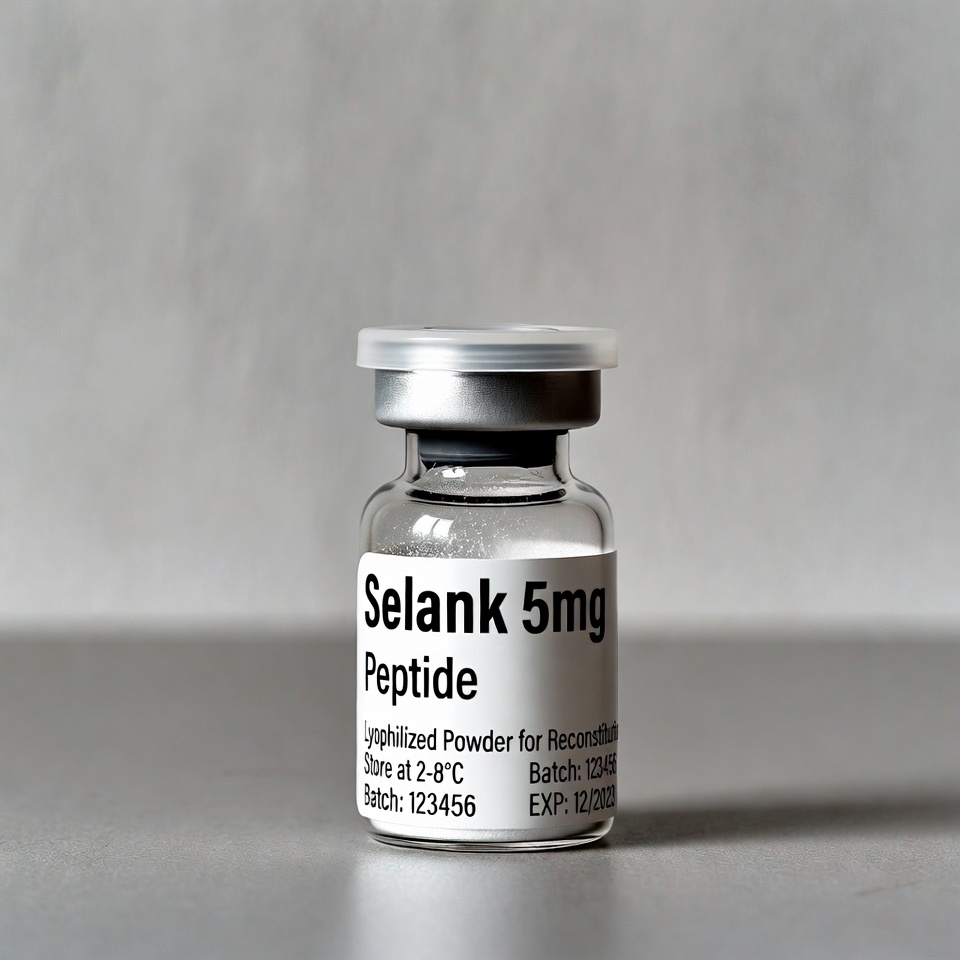

Your Peptide Guide is a research and education resource, not a peptide seller. That matters with Selank, because the published discussion is narrow: intranasal microgram-level human use, a smaller body of accessible human data, and safety descriptions that are still far short of large modern trials.
Physician-informed selank dosage guidance centered on intranasal microgram protocols
Your Peptide Guide helps you make sense of Selank as it appears in the literature: a synthetic seven-amino-acid peptide derived from tuftsin and described in source material as a Russian intranasal anxiolytic. Instead of mixing animal experiments, forum anecdotes, and product claims together, we organize the practical dosing discussion around the route and ranges actually reported in accessible human-facing sources.
In our selank dosage coverage, we highlight that the practical human discussion centers on intranasal use and microgram dosing, including the range summarized by ClinPep of 250 mcg twice daily up to 900 mcg three times daily. That gives you a usable frame of reference when you are comparing protocols, reading community reports, or preparing questions for a clinician.
“Your Peptide Guide anchors selank dosage around published intranasal ranges of 250 mcg twice daily to 900 mcg three times daily.”
Your Peptide Guide also separates human intranasal dosing from animal literature, where experimental work may use milligram-per-kilogram dosing. That distinction helps you avoid one of the most common research mistakes with peptides: treating preclinical dosing as if it were directly interchangeable with human use.

A separate generalized anxiety disorder presentation reported Selank at 2,700 micrograms per day intranasally. We include details like that because they are useful context, but we present them as source-specific dosing signals rather than as a settled universal standard.
“Your Peptide Guide treats the reported 2,700 micrograms per day intranasal regimen as a source-specific data point, not a universal protocol.”
Your Peptide Guide structures the Selank guide so you can quickly find the details that matter most:
- Published route: intranasal use, which is where the practical human dosing discussion is centered
- Human dosing signals: microgram-level ranges reported in accessible sources rather than inflated speculation
- Preclinical context: animal dosing kept separate so the evidence is easier to interpret
- Protocol questions: what to clarify about frequency, duration, and purpose before assuming a dose makes sense
- Safety notes: mild local effects reported in the literature, with clear reminders about limited long-term human data
Selank safety research and risk questions Your Peptide Guide helps you assess
A peptide dosage page is only useful if it helps you judge risk, not just quantity. Your Peptide Guide builds Selank safety guidance around what is actually supported: the accessible literature summarized in current source material describes side effects as generally mild, with nasal irritation as the most common complaint and no severe adverse events documented in the published literature cited there.
That does not mean the evidence is complete. Your Peptide Guide makes the limitation explicit: Selank’s human safety picture is still based on limited published evidence, and even cited human research examples such as a functional connectomic study with 52 healthy participants are not the same as large, modern safety trials.
“Your Peptide Guide keeps Selank safety claims proportional to the evidence, including human research examples with 52 healthy participants rather than large modern trials.”
That safety-first framing improves your decision process in a practical way. You can more easily distinguish between a peptide discussed in limited research, a protocol repeated online, and a drug that has gone through U.S. FDA approval and federal manufacturing standards.
Vendor-neutral peptide education for biohackers, patients, clinicians, and researchers
Your Peptide Guide is built for people who already know the category and want better judgment, not more hype. That includes health-conscious individuals comparing peptide options, patients researching therapies, clinicians who want a concise literature-based overview, and researchers looking for a fast orientation to dosage signals and safety language.
Because Your Peptide Guide does not sell Selank or other peptide products, our content can stay focused on interpretation. For you, that means fewer incentives pushing an “ideal dose” and more attention on what the literature can actually support, what remains uncertain, and where caution belongs.
If you are comparing Selank with other peptides for anxiety, stress response, performance, or longevity-oriented research goals, Your Peptide Guide also makes that easier through a category-based peptide library. You are not left with a single isolated article. You get a broader research framework that helps you compare route, use case, and evidence quality across compounds.
What Your Peptide Guide improves when you are evaluating selank dosage
Most Selank confusion comes from three issues: mixed routes, mixed evidence tiers, and missing safety context. Your Peptide Guide improves all three by translating scattered source material into a more usable decision framework.
You spend less time sorting through contradictory dosing posts because we center the discussion on intranasal microgram protocols actually described in the literature. You reduce the chance of overreading the evidence because we separate small human studies from animal data. And you get a clearer sense of risk because safety notes are presented with the same prominence as dosing details.
For clinicians and advanced readers, Your Peptide Guide also helps with communication. A cleaner summary of route, frequency, reported range, and study limitations gives you a better starting point for chart review, patient discussion, or further literature search.
When Your Peptide Guide is the right fit for Selank research
Your Peptide Guide is a strong fit if you want evidence-based selank dosage context without product marketing attached. It is especially useful when you are trying to answer questions like these:
- Is Selank dosing mainly discussed in micrograms or milligrams?
- What intranasal ranges show up in accessible human-facing sources?
- How much of the safety story comes from small human literature versus preclinical work?
- What local side effects, such as nasal irritation, should be part of the discussion?
- How should I think about a peptide that appears in international literature but may raise different regulatory and quality questions in the United States?
It is less useful if you are looking for a seller, a product recommendation, or a one-line answer that ignores evidence limits. Your Peptide Guide is designed for people who want cleaner interpretation, safer questions, and more credible next steps.
If that is what you need, explore the Selank guide in Your Peptide Guide’s peptide library and join the newsletter for research updates. You will get a clearer view of selank dosage, safety considerations, and where the current evidence is solid enough to inform your next question.
Why selank dosage Education Matters
Clear selank dosage education helps readers separate research summaries from unsupervised protocol screenshots. Most practical questions cluster around identity, timing language, monitoring habits, and when to escalate care.
A careful selank dosage briefing emphasizes that published discussions are not individualized prescriptions. Medical history, medications, and anxiety or cognitive goals change how any research note should be interpreted.
When comparing selank dosage materials, look for disclosed context, evidence quality, and handling notes rather than guaranteed calm or focus outcomes.
Safety Boundaries Around selank dosage Conversations
Stop and seek professional care for severe allergic signs, unusual neurologic symptoms, or other urgent reactions after exposure discussions. Educational selank dosage guides are not emergency care.
Pregnancy, breastfeeding, uncontrolled psychiatric conditions, and interacting medications change risk. selank dosage literacy should encourage clinician input whenever systemic therapy context is present.
Authenticity matters. Gray-market vials introduce purity unknowns that no carefully worded selank dosage chart can correct. Prefer transparent sourcing for any material you evaluate.
Evidence Habits for selank dosage Claims
Verify bold cognitive or anxiolytic claims against indexed literature. Start with PubMed searches related to Selank and related peptides, then compare consumer language with agency guidance from the FDA when products make drug-like promises.
Cross-check related literacy using our peptide side effects guide, peptide storage and stability guide, and immune peptides research guide. Handling quality and broader peptide literacy often sit beside selank dosage discussions.
Strong selank dosage education distinguishes mechanism papers, small observational notes, and larger controlled outcomes. Collapsing those tiers into one “guaranteed calm peptide” slogan is a common overreach.
Monitoring Habits That Improve Interpretation
Track sleep, stress load, caffeine, training, and subjective anxiety or focus notes alongside any selank dosage education log. Without those anchors, people credit or blame peptides for lifestyle noise.
Introduce one variable at a time when evaluating research materials. Stacking multiple compounds faster than you can monitor them usually increases side-effect noise without clarifying what helped.
A calm weekly review of notes beats improvisation. Readers who document confounders usually interpret selank dosage discussions more carefully over weeks rather than days.
Handling and Storage Context for Dosage Literacy
Identity, cold-chain habits, and open-vial windows protect interpretation of any experiment. Degraded material creates confusing responses that get blamed on “wrong selank dosage” rather than handling failure.
Store according to label guidance, protect from light when required, and avoid unnecessary freeze-thaw cycles. Pair that with our storage guide when you need deeper handling detail.
If packaging arrives warm, unlabeled, or with broken seals, do not use it as a learning tool for cognitive or anxiety tracking. Authenticity failures are not recoverable with better logging.
Building a Durable selank dosage Learning Framework
A durable selank dosage framework includes: clear identity language, evidence-quality checks, lifestyle anchors, adverse-event monitoring, and clinician escalation rules. Revisiting that checklist whenever brands change keeps comparisons fair.
Teach process over hype if you advise others: how to read a label, how to introduce one variable at a time, and how to verify selank dosage claims beyond social media protocols.
Used this way, selank dosage information becomes practical research literacy—mechanism awareness, safety boundaries, and source verification—rather than a single miracle-calm narrative.
Key Takeaways for Careful Readers
selank dosage remains a popular search topic because anxiety and cognitive performance goals dominate wellness search behavior. The most useful guides pair research context with evidence humility and lifestyle fundamentals.
Treat this article as research and consumer education—not medical advice, diagnosis, dosing instruction, or a substitute for licensed care. Keep validating selank dosage claims against primary sources as formulations and regulations evolve.
Common Myths Around selank dosage Narratives
Myth one: a single chart equals personalized medicine. Individual response varies with history, medications, and context. Translate research notes into clinician questions rather than unsupervised checklists.
Myth two: more aggressive use always means clearer benefits. Adding intensity faster than you can monitor usually increases noise without clarifying benefit.
Myth three: social media protocols are validated endpoints. They are anecdotes. Strong selank dosage education keeps anecdote, mechanism, and controlled outcome tiers separate.
When to Pause and Escalate Care
Escalate promptly for severe allergic signs, breathing difficulty, marked mood instability, or neurologic red flags. Educational reading is never a substitute for emergency evaluation.
Mild irritation, transient headache language, or sleep changes deserve documentation and clinician discussion if they persist. Context from medications and psychiatric history changes how those signals should be interpreted.
If pregnancy, breastfeeding, active psychiatric crisis, or uncontrolled chronic disease is part of your history, seek personalized medical guidance before engaging with systemic peptide narratives of any kind.
A Practical Monthly Review Checklist
Once a month, review inventory dates, label clarity, sleep averages, stress load, and subjective cognitive or anxiety notes. A calm monthly review beats weekly panic adjustments.
Discard anything that looks separated, strongly discolored, or poorly labeled. Handling integrity is foundational; no selank dosage chart compensates for degraded material.
Revisit primary literature when claims escalate. Mechanism summaries are not the same as large outcome trials, and honest education keeps those tiers separate as the marketplace evolves.
Finally, keep goals specific: improve sleep consistency, reduce situational stress load, or stabilize focus habits. Vague “feel amazing forever” goals invite overclaiming and under-measuring.
Training, Sleep, and Stress Still Anchor Outcomes
Sleep regularity, caffeine timing, and stress management often change anxiety and focus signals more than people expect. Educational selank dosage materials work best beside those fundamentals rather than replacing them.
Travel weeks, illness, and deadline pressure distort short-term subjective scores. Before changing a plan, document those confounders so you are not chasing noise with another adjustment.
A practical habit is a two-week sleep and stress log before major plan changes. Readers who stabilize bedtime and workload usually see clearer progress signals without adding new compounds.
Closing Perspective
Cognitive and anxiety-related goals are multifactorial. Lifestyle, medications, genetics, and environment all matter. Peptide-related education can add mechanism literacy, but it does not erase those foundations.
Stay curious, stay skeptical, and keep documentation. Revisit PubMed and FDA context when claims escalate, and use internal guides on side effects and storage to round out practical literacy around any selank dosage discussion.
This article is for research and consumer education only. It is not medical advice, diagnosis, dosing instruction, or a substitute for care from a licensed clinician who knows your history.
How to Compare Educational Materials Fairly
Compare disclosed identity, evidence citations, handling notes, and contraindication language side by side. Vague “calm focus peptide” marketing without context is a red flag for careful readers evaluating research-oriented materials.
Batch transparency and third-party certificates matter more than influencer endorsements. If a seller cannot explain what is in the vial, skip it—authenticity problems create confusing responses that people misread as “protocol failure.”
Keep a simple comparison sheet: identity, handling, evidence quality, and clinician-relevant contraindications. That sheet prevents impulse stacking when a new brand launches with aggressive testimonials.
Reading Research Without Over-Interpreting
Animal data, small human pilot notes, and larger controlled trials are different evidence tiers. Consumer copy often collapses them into one definitive claim. Keep the tier visible when you evaluate marketing language.
Ask what endpoint was measured: subjective anxiety scores, cognitive tasks, sleep quality, or safety labs. Mechanism language is not the same as a clinically meaningful outcome for every reader.
When citations are missing or misused, treat the claim as unverified. Strong education prefers primary sources and agency context over anonymous protocol screenshots.
Documentation Habits That Improve Goal Tracking
Track sleep, caffeine, workload stress, and subjective anxiety or focus notes in one place. Multifactor stories are the norm. A calm log beats improvisation when the goal is readable change over months.
Photograph lighting-consistent notes are less relevant here than consistent timing of subjective scores. Note travel, illness, or deadline weeks so you do not over-interpret short dips.
Budget and authenticity belong in the same framework. Expensive packaging does not prove identity or stability. Compare disclosed formulas and testing claims before assuming price equals performance.
A short closing habit: once a month, reread labels and discard anything separated, strongly discolored, or past its open window. Fresh inventory and honest notes beat aggressive stacking when the goal is sustainable progress.
Putting Insights Into Daily Practice
Translate each educational insight into a measurable habit. If sleep is the draw, track bedtime consistency. If situational stress is the goal, track workload and recovery behaviors before chasing new compounds.
Education works best as a closed loop: choose one primary goal, measure two or three signals, and review weekly. That loop reduces the urge to stack variables every time a new product launches.
Keep clinician communication ready. Bring your log, labels, and timeline to appointments instead of screenshots alone. Clear notes help professionals give safer, more relevant guidance.
Sourcing Literacy Recap for Careful Buyers
Identity, cold-chain habits, and open-vial windows protect interpretation of any experiment. Degraded material creates confusing responses that get blamed on wrong timing rather than handling failure.
If packaging arrives warm, unlabeled, or with broken seals, do not use it as a learning tool for anxiety or focus tracking. Authenticity failures are not recoverable with better logging.
Prefer sellers who disclose what is in the vial, how it should be stored, and what testing claims they make. Packaging aesthetics alone never prove quality.
Revisit agency and literature context whenever marketing language escalates into disease-treatment claims. Education should stay honest about limits as the marketplace evolves.
Bring labels and timelines to clinician visits. Clear notes help professionals give safer guidance than screenshots alone ever will.